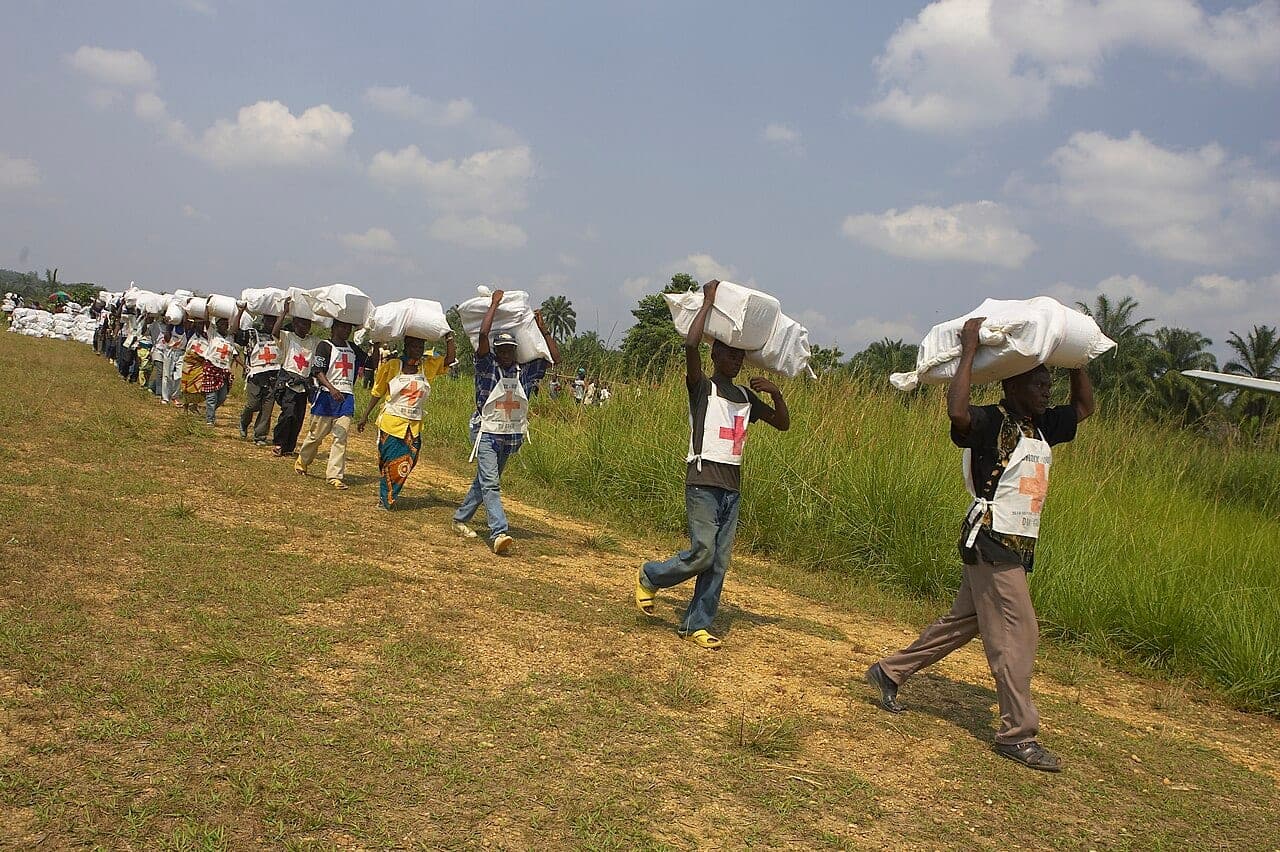
The Democratic Republic of the Congo is heading toward its worst hunger levels on record, according to a new Integrated Food Security Phase Classification (IPC) analysis. The study projects that 30.3 million people will be in Crisis (IPC Phase 3) or a more severe stage of acute food insecurity between January and June 2027. The World Food Programme (WFP), the Food and Agriculture Organization (FAO), UNICEF and the World Health Organization (WHO) published the findings on 13 November 2026 and said aid is lagging dangerously behind rising needs.
What the figures show
For September to December 2026, the agencies put the number in Crisis or worse at nearly 29 million, almost a quarter of the population. Of those, 3.6 million are in Emergency (IPC Phase 4). The Emergency group is expected to grow by nearly 600,000 to reach 4.2 million in early 2027. For comparison, the Crisis-or-worse figure for January to June 2026 was 26.5 million.
The agencies added two cautions on reading the data. Phase 3 or above numbers already contain those in Phase 4, so the categories should not be summed. And projections describe conditions expected in a stated period rather than present ones.
East most affected, but not alone
The agencies say the east of the country faces the heaviest concentration of urgent needs. Over 11 million residents of North Kivu, South Kivu and Ituri are projected to be in Crisis or worse during the first half of 2027. Nine territories are expected to reach Emergency: Djugu (Ituri); Lubero, Masisi and Oïcha (North Kivu); and Fizi, Kalehe, Mwenga, Shabunda and Walungu (South Kivu).
Other provinces are also affected. The agencies named Tanganyika, Maniema, Kasaï, Haut-Lomami, Lomami, Kwango and Haut-Uele as places where a considerable share of residents is in Crisis or a worse phase.
Conflict, prices and disease
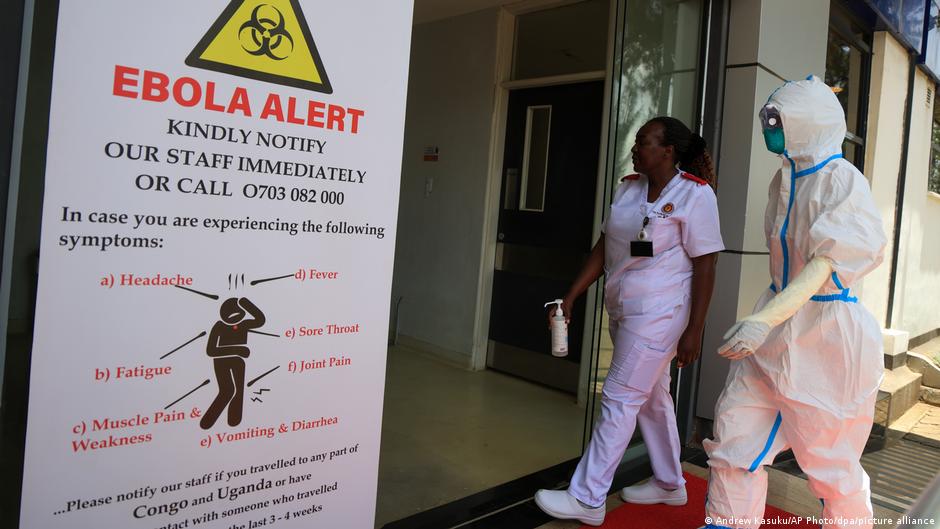
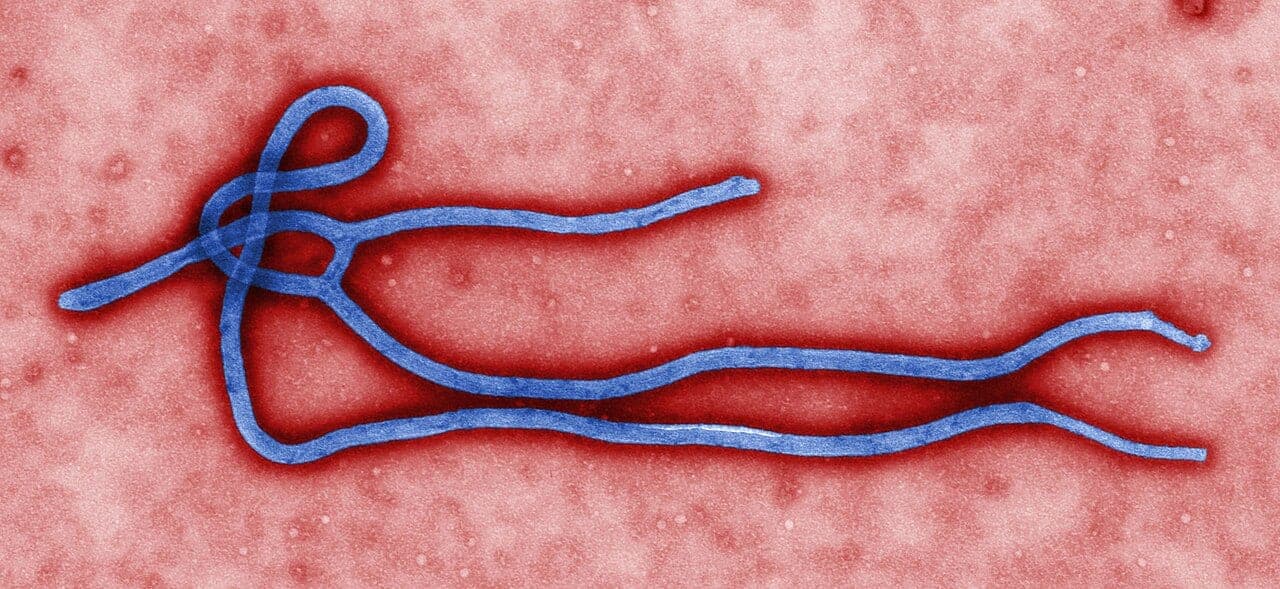
According to the agencies, fighting, repeated displacement and higher food prices lie behind the deterioration, with Ebola and other outbreaks adding to it. They say the Ebola outbreak, together with mpox, cholera and other health emergencies, disrupts farming and livelihoods, limits movement, raises household costs and strains fragile health systems. The IPC analysis also points to crises in the Middle East, the Red Sea and Ukraine as further pressure.
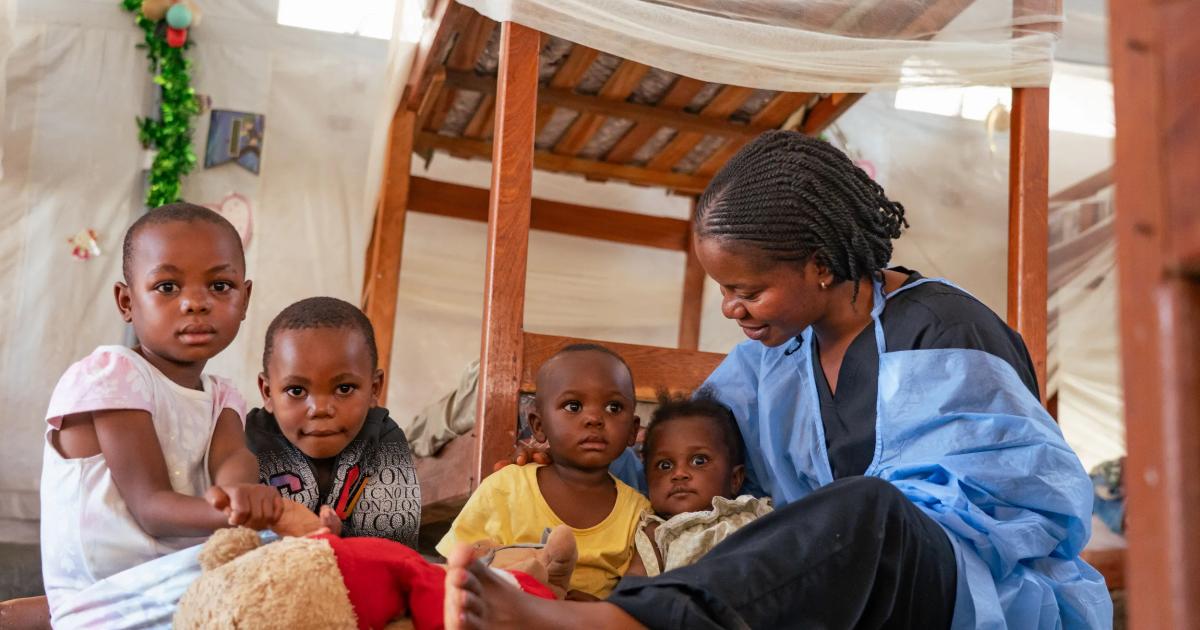
WFP's Ross Smith, Director of Emergency Preparedness and Response, said the Ebola outbreak is a crisis layered on an existing one and that safe, sustained access and resources are needed to deliver food assistance at scale. FAO's Rein Paulsen said farmers given seeds, tools and other support before planting starts in early 2027 could harvest by mid-year. The agencies say children under five face the highest risk from acute malnutrition.
Appeal to donors and parties
The four agencies want coordinated financing and diplomatic action to widen food aid, protect agricultural livelihoods, prevent and treat acute malnutrition, and keep health, nutrition, water and sanitation services running. They urged all parties to protect civilians and allow safe, unimpeded humanitarian access, and asked donors for timely, sustained funding, including ahead of critical planting seasons.