The UK has endorsed a statement from leaders of the European coalition against drugs, released at the European Political Community summit in Dublin on 12 November 2026. The statement sets out new work against synthetic opioids, smuggling by sea and drug money.
According to the text published by the UK government, this was the third such gathering since President Macron and Meloni, President of the Council of Ministers, set up the initiative within the EPC. Leaders said they would make the coalition more operational. Their plan pairs action against criminal networks with efforts on prevention and on cutting demand, building on commitments made earlier in Copenhagen and Yerevan.
Synthetic opioids and precursors
The leaders described rising production and consumption of synthetic drugs in Europe as a serious danger to public health. They named nitazenes and emerging orphines among the synthetic opioids of growing concern, and called for quick information sharing across borders and joint responses to prevent overdose deaths.
France and Italy began an initiative last June to help Western Balkan countries improve their laws and practical ability to detect and seize chemical precursors. The coalition says it will now build a network of precursor specialists and laboratories that might function as an early warning system. It also wants wider use of a so-called "catch-all" mechanism. Under it, customs officers could investigate and seize a substance that is not classed as a precursor, provided a body of evidence allows them to presume it is meant for unlawful use. Leaders also intend to share the provisions of a forthcoming EU precursors directive with coalition members, especially EU candidate countries.
Support for Ukraine
Working with the United Nations Office on Drugs and Crime and several member states, the coalition plans a programme in Ukraine. It will cover prevention, treatment and rehabilitation, health harms such as rising HIV and other communicable diseases, and the capacity of police and customs. The statement links growing addiction there to trauma from displacement, destruction and bereavement caused by Russia's war of aggression, and promises continued backing for as long as necessary.
Sea routes and ports
Drugs reach Europe across the high seas, either directly or via the Gulf of Guinea, the leaders said, and seizures at sea stop them before they arrive. Coalition states will look at deeper cooperation with MAOC(N) to raise the number of interdictions. The statement also proposes talks on a cooperation framework for go-fast vessels, citing Action 5 of the EU Action Plan against drug trafficking.
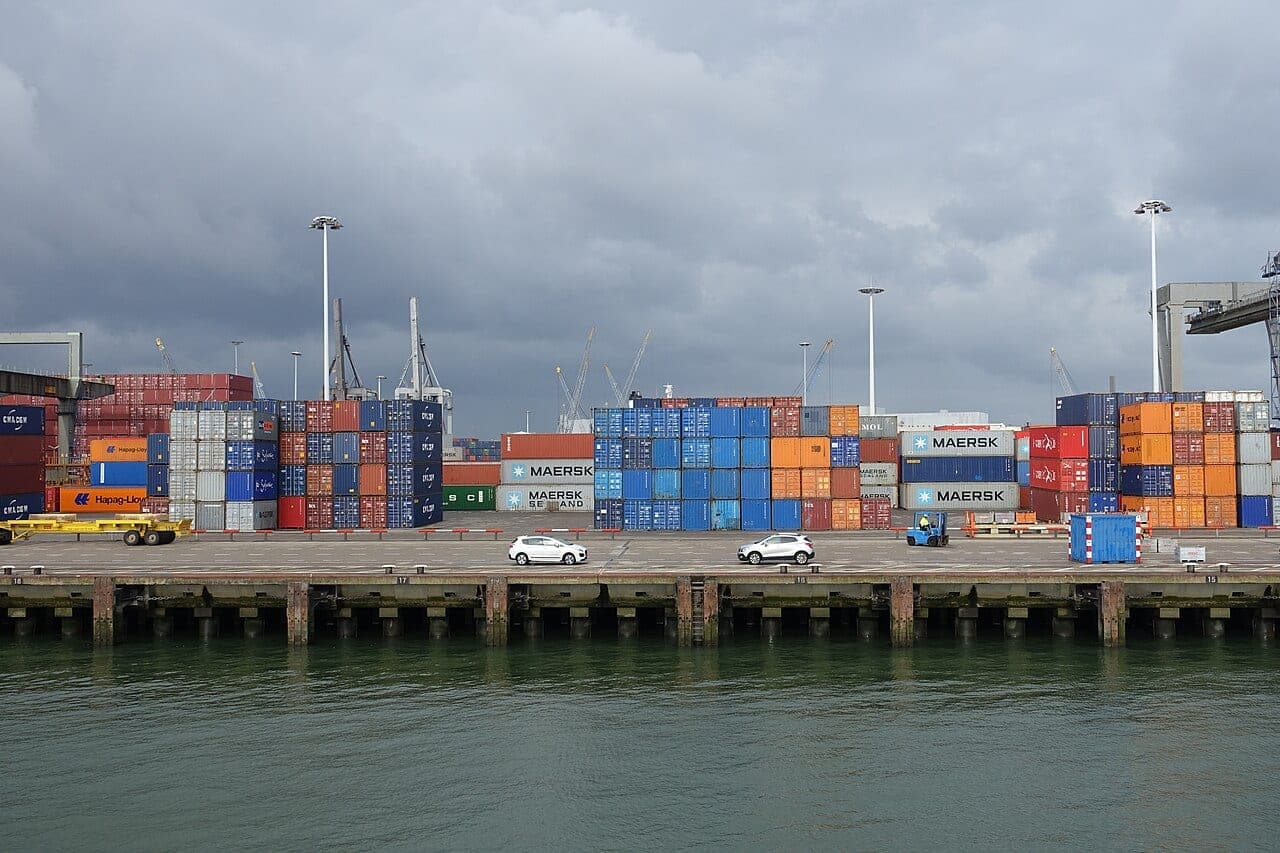
Northern, Mediterranean and Black Sea ports remain exposed, according to the statement. Pointing to the recent launch in Marseille of the G7+ Ports Network to Combat Drug Trafficking, members will consider, voluntarily and case by case, a network of focal points drawing in port authorities, police and private companies. It would be coordinated with the European Ports Alliance and would also tackle corruption tied to smuggling.
Money and demand
On illicit finance, the leaders welcomed EU work toward a sanctions tool aimed at the criminal assets of high-level people and groups engaged in transnational crime, including drug trafficking. They urged partners to share more data, notably on crypto-currencies used for laundering.
The statement credits Italy with a successful October meeting in Rimini on prevention and rehabilitation. Citing the Rimini Declaration adopted there, leaders committed to promoting personalised treatment and recovery open to all without discrimination. They argued that firm policing must be matched by prevention that addresses the underlying reasons people take drugs.