
Advertisement
Advertisement

Topic

discover

Science

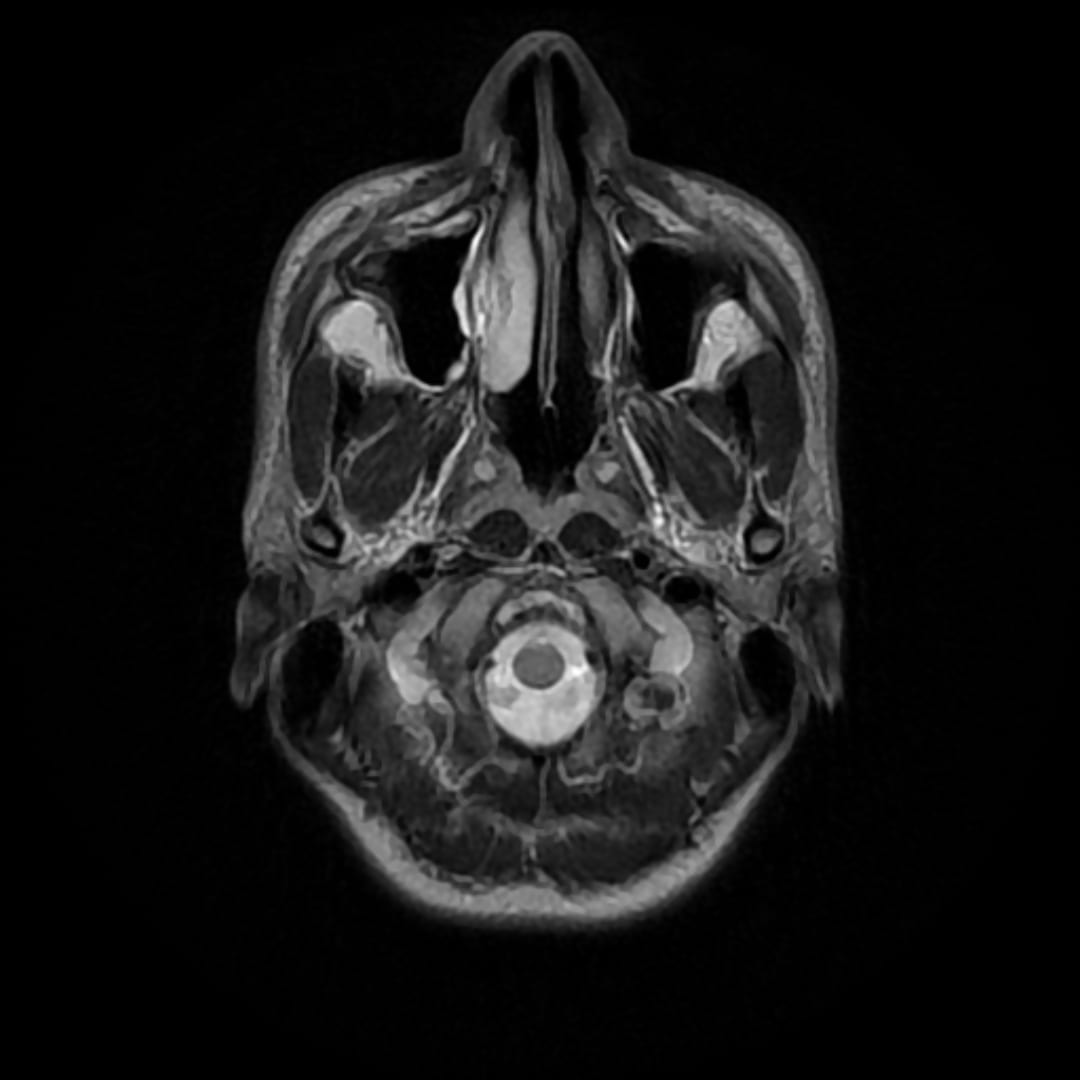
Scientists discover hidden brain changes linked to common sleep disorders

Scientists have discovered that sleep disorders are associated with structural changes in brain regions that control attention, decision-making, and emotions, potentially explaining why disrupted sleep can affect everyday thinking and behavior. The findings, drawn from 57 brain imaging studies, reveal both shared and disorder-specific patterns that could lead to more targeted treatments.

Science

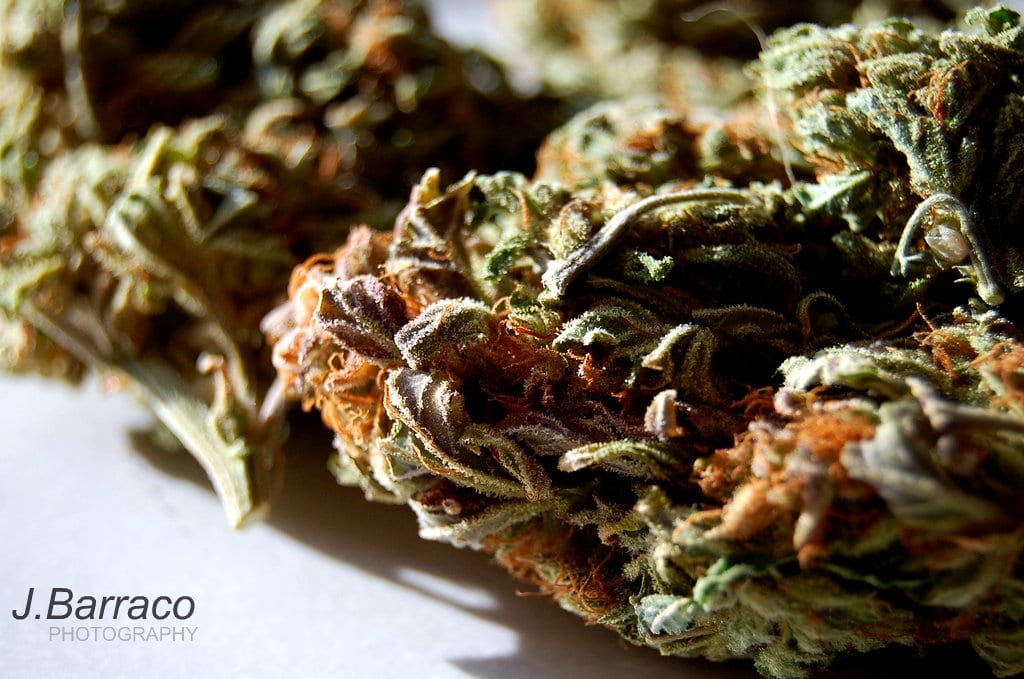
Scientists discover a hidden warning sign of cannabis addiction

A study of more than 17,700 US adults found that people who use cannabis in multiple forms have dramatically higher rates of daily consumption and addiction symptoms than those who stick primarily to one method. Nearly 67% of those who used almost every form met criteria for cannabis use disorder, compared with just 15% of people who mainly consumed edibles.

Science

Scientists discover Europe's ancient forests were nothing like we imagined

Scientists have uncovered evidence that Europe was dominated for more than 20 million years by open woodlands, colorful meadows, and large grazing animals, not the dense forests long considered its natural state. The surprising discovery challenges modern reforestation strategies, suggesting that planting thick forests could actually harm the biodiversity conservationists hope to protect.

Science

Scientists discover mysterious “lonely” brain waves linked to memory loss

Scientists have uncovered a surprising link between Alzheimer’s-related protein buildup, disrupted brain waves during deep sleep, and fading memory. The findings suggest that hidden changes in how the brain processes memories overnight may contribute to age-related memory loss long before Alzheimer’s symptoms appear.

Science

Scientists discover that a clogged filter could revolutionize oil refining

Scientists have developed a remarkable new membrane that separates crude oil at room temperature, using the oil itself to create microscopic filtration channels. The breakthrough could cut refining energy consumption by nearly 32%, carbon emissions by almost 38%, and operating costs by 36%, potentially transforming one of the world's most energy-intensive industries.

Science

AI helps Stanford scientists discover a “natural Ozempic” with a surprising advantage

Stanford researchers have discovered an AI-identified natural molecule that dramatically suppresses appetite and promotes fat loss in animals, potentially offering an Ozempic-like weight-loss treatment without common digestive side effects or significant muscle loss. Called BRP, the molecule reduced food intake by up to 50% and targets a different brain pathway, raising hopes for a more precise obesity treatment if future human trials prove successful.

Health

Scientists discover surprising heart benefits of eating avocado and mango every day

Eating an avocado and a cup of mango every day may provide surprising benefits for heart health, according to a new study involving adults with prediabetes. After just eight weeks, participants experienced significant improvements in blood vessel function and diastolic blood pressure, particularly among men. These benefits occurred without weight gain or changes in calorie intake, suggesting that the nutrient-rich combination could support cardiovascular health through a simple dietary adjustment.

Advertisement
Science

NASA's Hubble and Webb discover ancient worlds that remember their past

NASA’s Hubble and James Webb Space Telescopes have uncovered surprising clues about the solar system’s origins by studying 27 tiny, distant objects beyond Neptune. Scientists discovered that these ancient building blocks of planets have remained remarkably unchanged for billions of years, while their unexpected sizes and numbers challenge existing theories of planet formation.

Health

Scientists discover a surprising brain benefit of eating peanuts every day

A surprising new study suggests that eating peanuts every day could help support brain health and memory in older adults. Researchers found that consuming about two servings of unsalted, skin-roasted peanuts daily for 16 weeks improved insulin responsiveness in brain regions important for memory, a function that often weakens with age and has been linked to Alzheimer's disease.

Science

Scientists discover a hidden driver of high cholesterol and a way to stop it

Scientists have uncovered a hidden mechanism that allows high-cholesterol diets to undermine the body's natural cholesterol defenses, and blocking it dramatically lowered harmful LDL cholesterol in mice. Even more promising, an experimental drug targeting this pathway has already passed an early human safety trial, potentially speeding the development of a new treatment for high cholesterol.

Science

Scientists discover a bacterial defense so strange they thought it was broken

Scientists have discovered a bizarre bacterial defense system that works almost completely backward from anything seen before. Unlike typical bacterial immune systems that keep a deadly toxin under control until a virus attacks, this unusual mechanism waits until an infection begins before producing the DNA that switches on its lethal weapon. The infected bacterium then destroys itself, preventing the virus from multiplying and spreading to neighboring cells.

Advertisement
Science

Scientists discover metals that defy the deep freeze at -424°F

Scientists have discovered a surprising mechanism that allows certain metals to resist cracking at temperatures as low as -253°C (-424°F), when similar materials typically become dangerously brittle. Instead of breaking, two experimental alloys reorganize their internal structures, creating new ways to absorb stress and remain flexible.

Science

Scientists finally discover how a common gut bacterium can trigger colon cancer

Scientists at Johns Hopkins have uncovered a crucial missing link between a common gut bacterium and colorectal cancer, solving a mystery that has puzzled researchers for nearly two decades. The bacterium, Bacteroides fragilis, produces a toxin that damages the colon’s protective lining, triggers chronic inflammation, and promotes tumor formation.

Science

Scientists discover why chronic back pain feels so personal

A surprising discovery at UC San Diego suggests that chronic lower back pain may become deeply embedded in the brain's sense of personal identity. Researchers found that movement-triggered pain activates a brain network associated with self-awareness and memories, even though ordinary acute pain typically shuts this network down. This unexpected difference could explain why conventional pain medications often provide limited relief and why fear, anticipation, and past experiences can intensify chronic pain.

Science

Scientists discover mysterious seahorse lookalikes that no one has ever seen alive

Scientists have discovered that three bizarre deep-sea fish that look exactly like seahorses actually belong to a separate evolutionary group, proving that nature created the same unusual body shape more than once. Nicknamed "sea muppets," these elusive creatures are known from just seven specimens, and no one has ever seen one alive.