Sports
Ireland 'have it in us' to claim Springboks series win
Ireland head coach Scott Bemand says his side are ready for their "second ascent" as they target a historic series win over South Africa.

Global stories. Digital first.
Topic
Ireland head coach Scott Bemand says his side are ready for their "second ascent" as they target a historic series win over South Africa.
Whatever the result of the midterm elections, the party is facing tough questions over what they stand for and who should represent them.
The US-Canada trade war is hurting Kentucky’s bourbon industry, which generates billions of dollars annually.
With every team having now faced one another in the Scottish Premiership, BBC Sport Scotland assesses the key things we have learned so far.
Investors are anxious about the 2026 midterms. Here's what historical S&P 500 data shows happened before and after past elections.
As Dundee United hold reigning champions Celtic to a draw in Glasgow, the question is posed about whether they have the best midfield in Scotland.
Scientists have uncovered a surprising connection between Earth's opposite poles that may help explain how the planet plunged into past ice ages. New research suggests that as massive ice sheets expanded across the Northern Hemisphere, they cooled Atlantic Ocean waters that eventually traveled south toward Antarctica. This cooling may have disrupted Southern Ocean circulation, allowing the ocean to absorb and store more carbon dioxide from the atmosphere, further cooling the planet.
The asteroid that killed the dinosaurs may have set the stage for ants to conquer the planet, with a surprising boost from “jumping genes” hidden in their DNA. Scientists discovered that bursts of activity from these mobile genetic elements coincided with the rise of major ant groups and may have helped sharpen their extraordinary ability to communicate through smell.
Exit polls show Prime Minister Benjamin Netanyahu's alliance and Gadi Eisenkot's opposition bloc both well off the numbers needed to form a governing majority.
BBC Scotland analyses Motherwell's plight to find out what's not clicking at Fir Park.
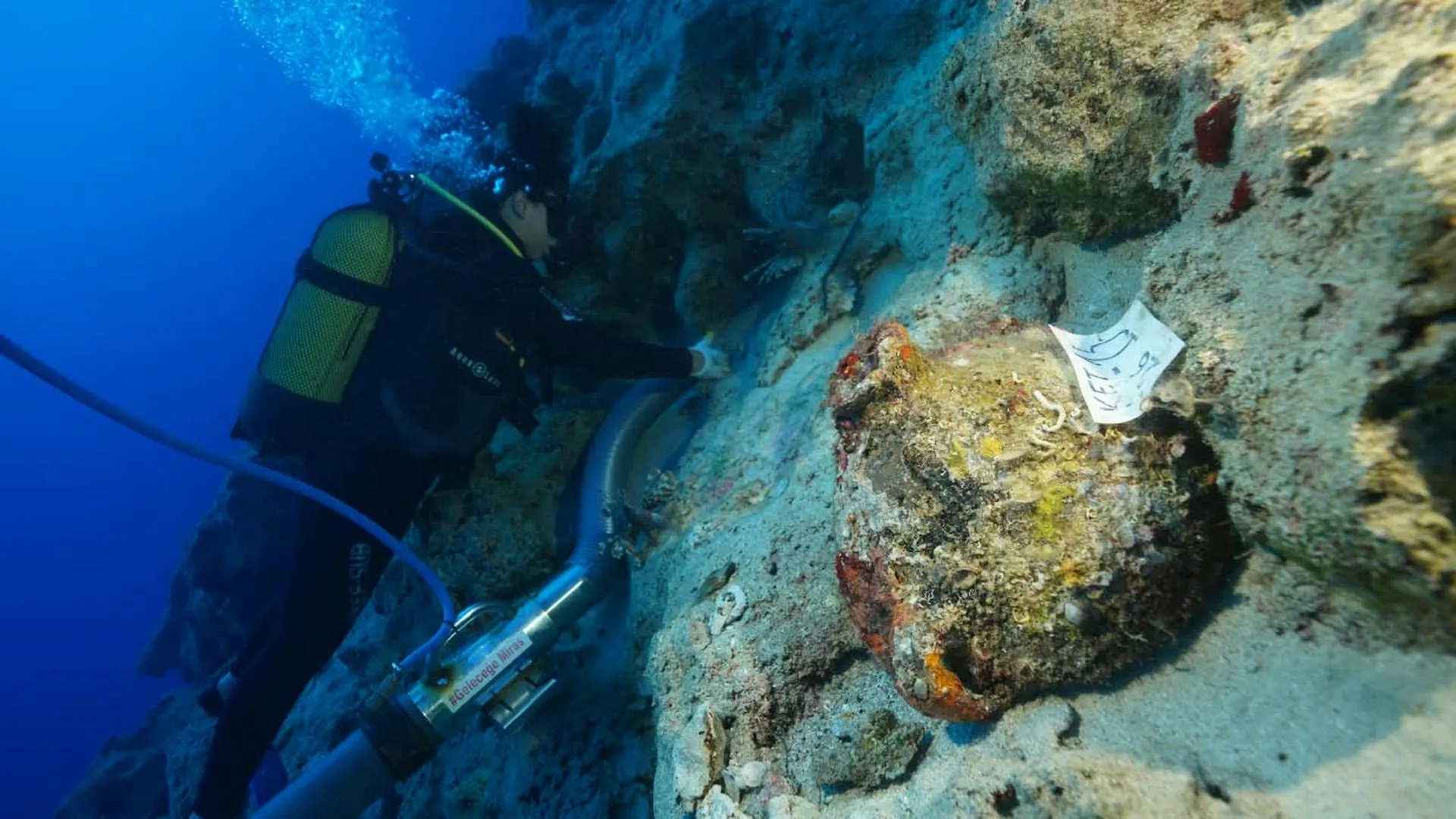
A mysterious shipwreck off Turkey’s coast may be the oldest ever discovered, dating back approximately 4,500 years to the age of the Egyptian pyramids. Although the wooden vessel has disappeared, its surviving pottery cargo reveals clues about an ancient trading network that may have connected distant Mediterranean civilizations. Researchers believe the ship may have crashed against rocks during a storm while transporting valuable goods such as oil, wine, or tree resin.
Astronomers have uncovered evidence of a bizarre, potentially historic discovery: the first moon ever detected beyond our Solar System. Unlike familiar moons, this mysterious object is at least as massive as Jupiter and orbits a brown dwarf, which itself circles a star. The unusual arrangement challenges traditional definitions of planets and moons, leaving scientists unsure what to call it.
It is a different picture at Manchester United now than it was last month - and they proved it to fight back and earn a point against rivals Manchester City.
From trans rights to Israel's war on Gaza, the party's candidates have responded to voter shifts on a slew of issues.
Josh Widdicombe, Emma Willis and Johannes Radebe have split opinion but are getting into the groove, critics say.
College students are spending less time socializing, which has implications for later in life and the workplace.
Higher interest rates have made family offices more selective about investing in real estate.
Experts from the University of Bath are testing out a new invention at a lake in Wiltshire.
The cycle of doom that has engulfed every Manchester United manager since Sir Alex Ferguson now has Michael Carrick in its unforgiving grip, writes Phil McNulty.
Grandma Droniak, Nonna Gracie, Viv Truran and Barbara Costello have all found fame on social media in their later years.