Advertisement
Advertisement

Topic

Israel

Politics

Israel's Arab-led parties gain influence

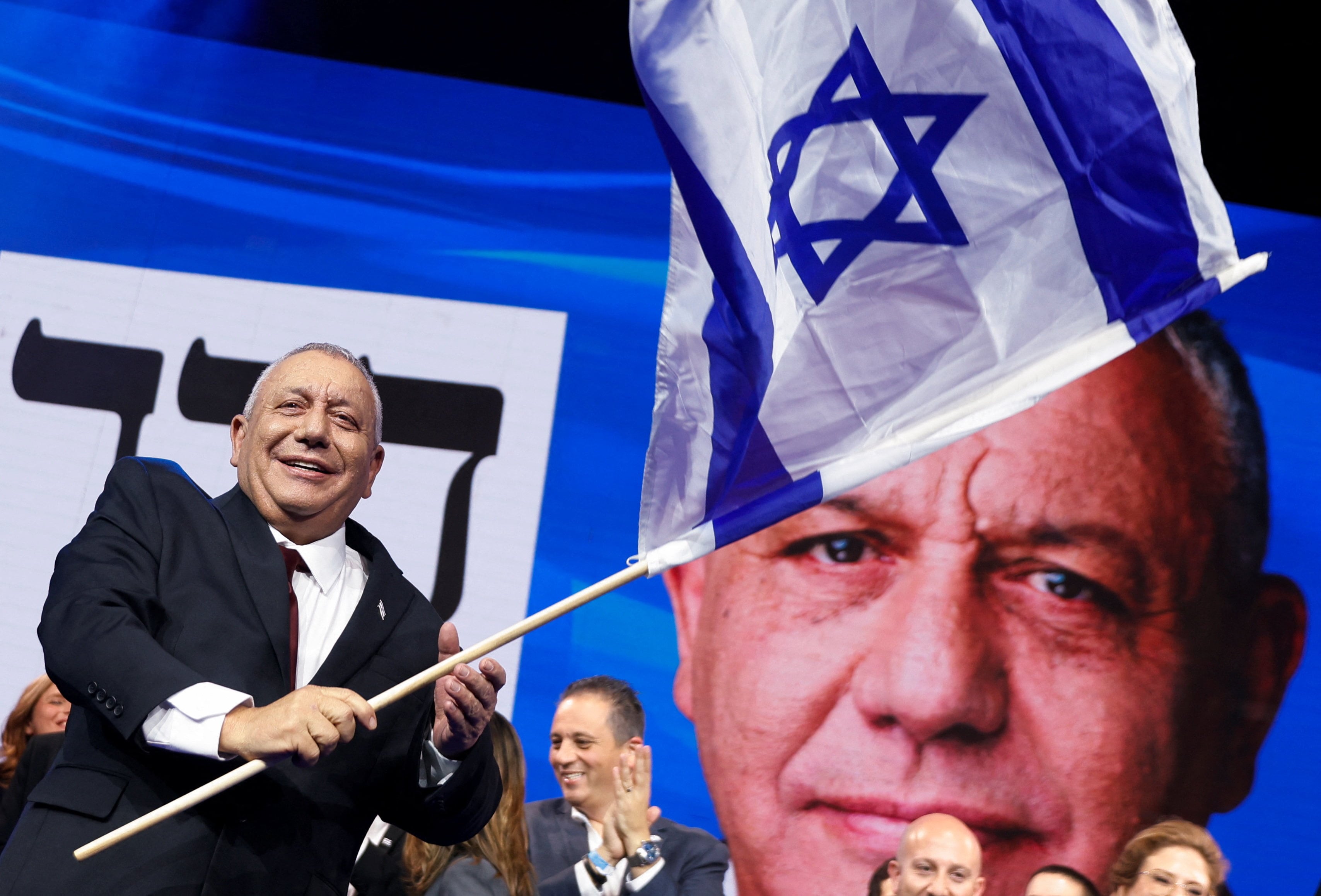
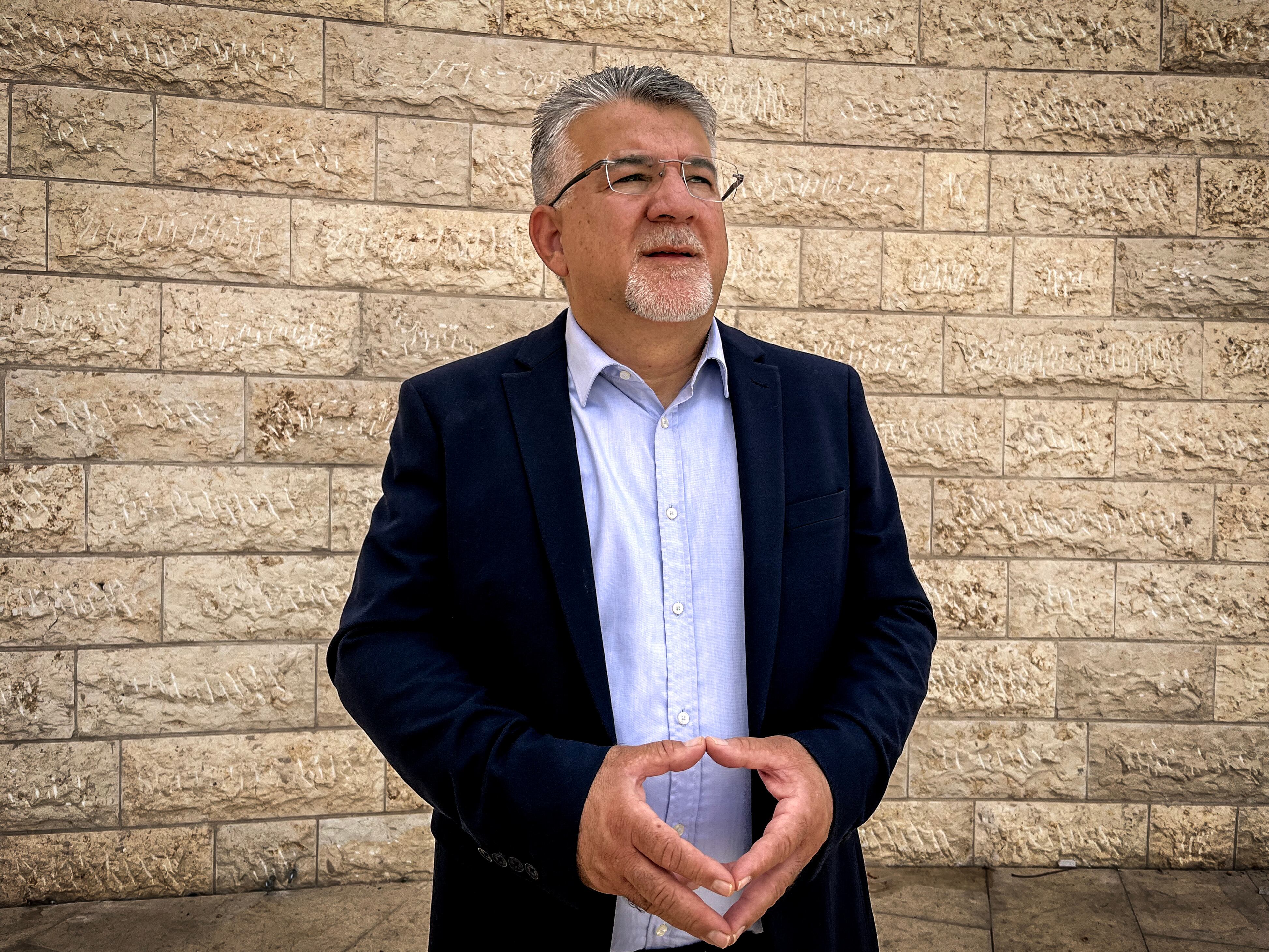
Arab-led parties have endorsed Gadi Eisenkot despite his ruling out a coalition with them. Their support is driven by a shared goal: removing Benjamin Netanyahu from power. But could these parties ultimately hold the balance of power in forming Israel's next government? Antonia Kerrigan reports.

Politics

What scenarios does Eisenkot face to form government in Israel?

Following the 27 October elections, which left a Parliament without clear majorities, Israeli President Isaac Herzog commissioned Gadi Eisenkot to try to form government. The former military chief will now have to negotiate with different political forces to build a coalition capable of obtaining the necessary support in the Knéset. What are the scenarios? Susana Mangana, a political analyst specialized in the Middle East and the Arab-Muslim world, addresses the issue in France 24.

Advertisement
Politics

Israel coalition talks gain momentum

Following inconclusive elections in Israel, opposition candidate Gadi Eisenkot says he is confident of securing the mandate to form a government, as President Isaac Herzog prepares to nominate the first candidate. Eisenkot claims he is making progress in efforts to oust long-serving Prime Minister Benjamin Netanyahu. Noga Tarnopolsky reports from Jerusalem.

Advertisement
Politics

Israel expects Herzog's decision: Eisenkot claims to have an advantage in forming government

Israel's President, Isaac Herzog, concluded consultations with the parties and announced that this Sunday he will appoint the candidate for government. Those who receive the mandate will have 28 days, extended by 14 days, to build a coalition. If it fails, the order will pass to another candidate and, if a majority is not achieved, the country could return to the ballot box. In the meantime, Gadi Eisenkot arrives strengthened after being supported by 67 Members and ensures that there is a majority in his favour.