
Advertisement
Advertisement

Topic

Researchers

Health

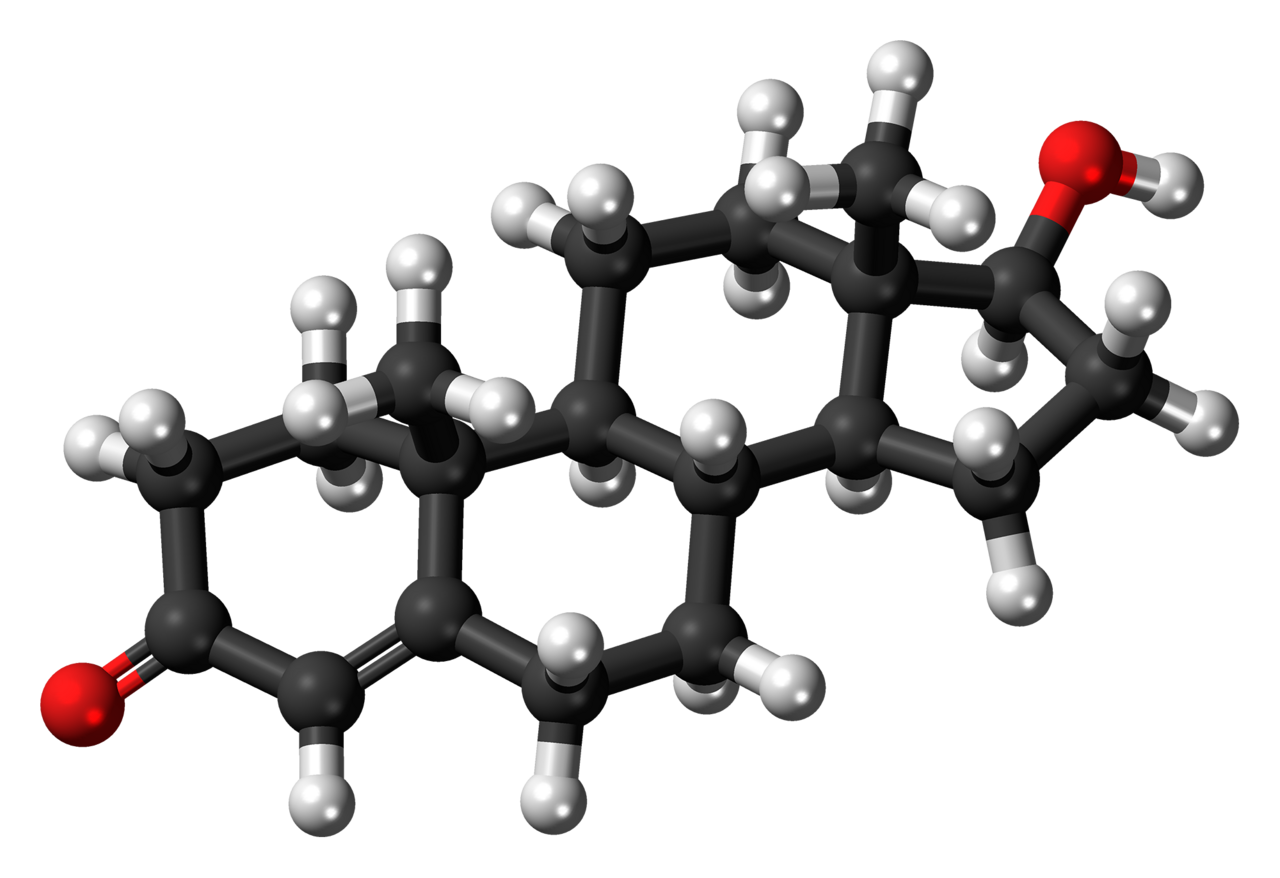
Low testosterone linked to 18% higher risk of dying from cancer

A major international study tracking more than 26,000 men found that very low testosterone levels were associated with an 18% higher risk of dying from cancer later in life. Surprisingly, testosterone itself showed no clear link to prostate cancer, although two other sex hormones did. Researchers believe low testosterone could be an important early warning sign of future health risks, particularly when levels fall below 8.6 nmol/L.


Health

Stronger flu shot linked to nearly 55% lower Alzheimer's risk

A surprising new study suggests that a stronger flu shot could offer older adults significantly greater protection against Alzheimer's disease. Researchers at UTHealth Houston analyzed nearly 200,000 adults ages 65 and older and found that those who received a high-dose influenza vaccine had a nearly 55% lower risk of developing Alzheimer's, compared with a 40% reduction previously associated with the standard-dose vaccine.

Science

Magic mushrooms rewire the brain in a way scientists didn't expect

A surprising discovery reveals how psilocybin, the active compound in magic mushrooms, rapidly reshapes the brain by creating new neural connections and strengthening them. Researchers found that the drug behaves differently in healthy and chronically stressed mice, potentially helping repair brain circuits damaged by prolonged stress. Most intriguingly, they identified a way to trigger this brain rewiring without the behavioral response associated with psychedelic effects.

Health

An anti-aging drug may help protect the brain before Alzheimer's symptoms begin

A surprising new study suggests that an anti-aging drug could help protect people genetically predisposed to Alzheimer's disease. Researchers found that just four weeks of low-dose rapamycin improved brain blood flow in healthy middle-aged adults carrying the high-risk APOE4 gene variant, with women showing the strongest benefits. Because declining blood flow can occur years before Alzheimer's symptoms appear, the discovery raises hopes for preventing or delaying the disease before memory loss begins.

Health

For decades, we were told to avoid full-fat dairy. New research says otherwise

Full-fat dairy may not be the health villain it has long been portrayed as, according to a new study finding that three daily servings did not worsen weight, cholesterol, or insulin resistance over 12 weeks. Researchers also observed improvements in blood pressure and nutrient intake, raising questions about longstanding recommendations to choose low-fat dairy.

Science

A tiny supercurrent could unlock quantum information without destroying it

Researchers have proposed a breakthrough technique for reading quantum information without destroying the delicate states that make quantum computers work. By detecting an electrical signal generated by the qubit itself, their method achieved up to 99.85% accuracy in simulations and could make future quantum computers simpler and more efficient.

Science

Hubble Reveals Cosmic Mystery

This photo released on Nov. 2, 2026, showcases NGC 4449, a dwarf irregular. Researchers using NASA’s Hubble Space Telescope studied 37 nearby dwarf galaxies — small galaxies containing a few thousand to hundreds of millions of stars — including NGC 4449 and found that much of the oxygen they expected to see is missing. Read […]

Advertisement
Science

Permanent daylight saving time has a dark side, scientists warn

A new study warns that permanent daylight saving time could force American children to make at least 2 billion additional school commutes in darkness, potentially increasing safety risks and disrupting their biological clocks. Researchers found that fatal crashes involving school-aged pedestrians were roughly twice as likely during dark mornings as after sunrise.

Science

Kids who eat more ultra-processed foods show a troubling brain response

A new study suggests that ultra-processed foods may influence children's developing brains in ways that encourage weight gain. Researchers from USC studied 46 children ages 7 to 10 and found that those who ate more ultra-processed foods showed stronger activity in the brain's reward system when viewing tempting foods like cookies and French fries. These heightened brain responses were linked to greater increases in body fat and body mass index (BMI) one year later, suggesting that the brain's sensitivity to food cues may help explain why ultra-processed diets are associated with obesity.

Science

New diabetes implant uses electricity to lower blood sugar and promote weight loss

Researchers have developed a remarkable new electronic implant that could transform type 2 diabetes treatment by lowering blood sugar without insulin or traditional drugs. The device uses a special electrically powered catalyst to convert excess glucose into a substance that the body eliminates through urine, potentially preventing unwanted energy from being stored as fat. In diabetic mice, the implant precisely controlled blood sugar and promoted weight loss.

Science

Scientists find surprisingly little evidence that medical cannabis helps you sleep

A major new review challenges the growing enthusiasm for medical cannabis as an insomnia treatment, finding little reliable evidence that it improves sleep quality, sleep duration, or daytime functioning. Researchers caution that this doesn't mean cannabis is ineffective, only that existing studies are too weak to establish whether it works.

Health

Even moderate drinking linked to cancer and early death, major study finds

A major new study challenges the idea that moderate drinking is safe, finding that even relatively small amounts of alcohol increase the risk of cancer, heart disease, and premature death. Researchers found no overall health benefits from drinking and warn that consuming more than one alcoholic beverage per day can significantly increase long-term health risks.