Advertisement
Advertisement

Topic

scientists

Science

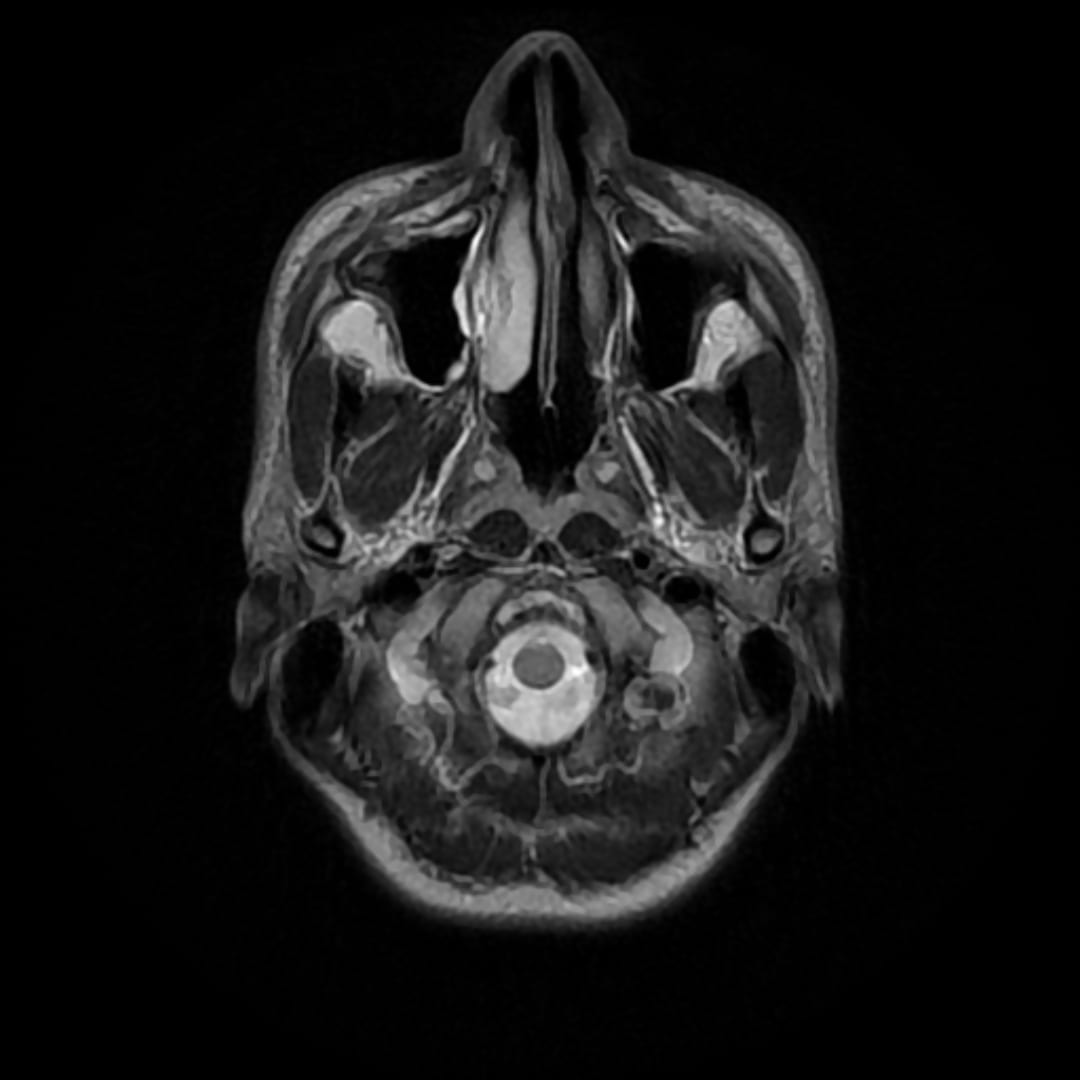
Scientists discover hidden brain changes linked to common sleep disorders

Scientists have discovered that sleep disorders are associated with structural changes in brain regions that control attention, decision-making, and emotions, potentially explaining why disrupted sleep can affect everyday thinking and behavior. The findings, drawn from 57 brain imaging studies, reveal both shared and disorder-specific patterns that could lead to more targeted treatments.
Health

MIT scientists turn immune cells into cancer killers inside the body

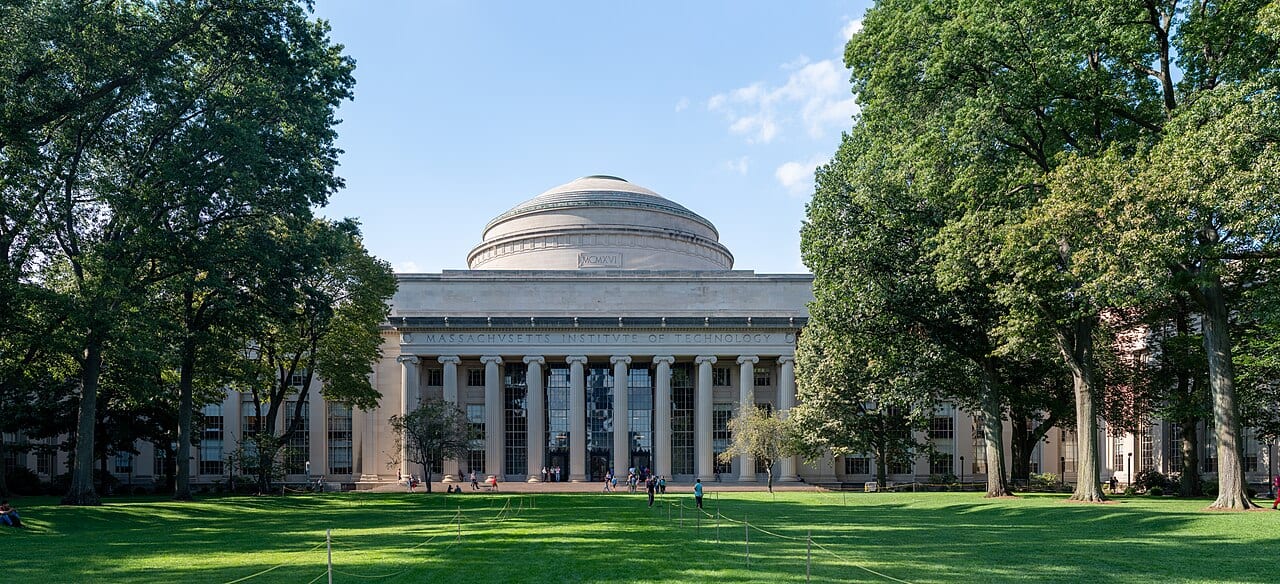
MIT scientists have developed nanoparticles that reprogram immune cells directly inside the body to attack cancer and harmful immune cells, eliminating tumors and reversing liver damage in mouse experiments. The breakthrough could make powerful immune therapies dramatically simpler and less expensive while opening new possibilities for treating cancer and autoimmune diseases.

Science

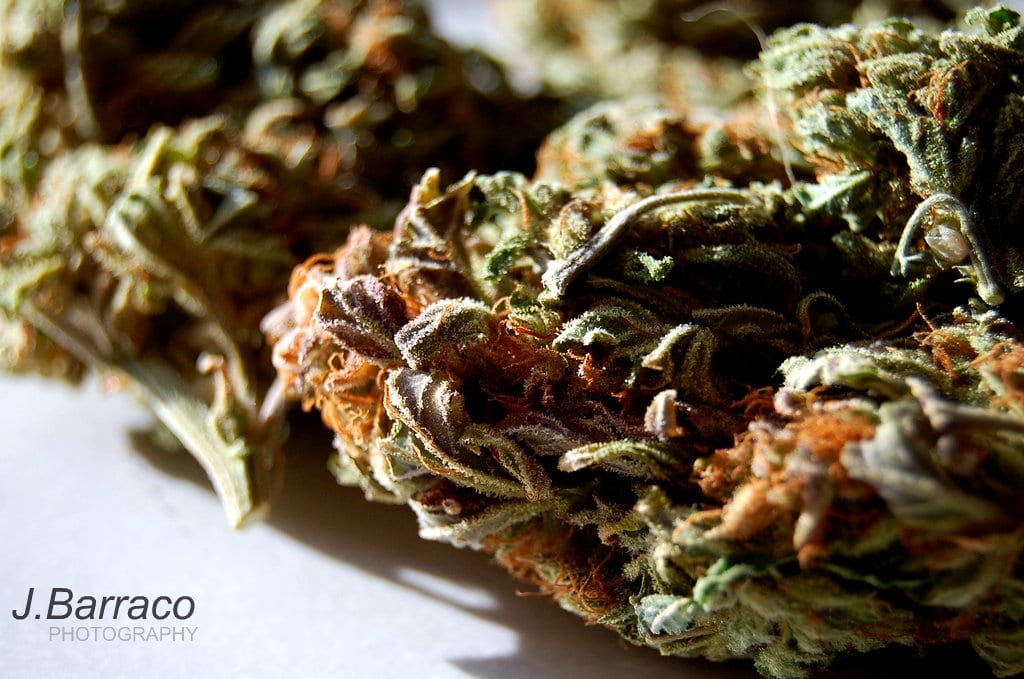
Scientists discover a hidden warning sign of cannabis addiction

A study of more than 17,700 US adults found that people who use cannabis in multiple forms have dramatically higher rates of daily consumption and addiction symptoms than those who stick primarily to one method. Nearly 67% of those who used almost every form met criteria for cannabis use disorder, compared with just 15% of people who mainly consumed edibles.

Science

Ancient Siberian tomb reveals surprising secrets of cannabis use 2,800 years ago

Scientists investigating a 2,800-year-old Siberian tomb discovered roughly 1,000 cannabis seeds and chemical evidence suggesting ancient Scythians used the plant for its intoxicating effects. The remarkable find, surrounded by evidence of elaborate burial rituals and animal sacrifices, offers the oldest directly dated archaeological evidence of psychoactive cannabis use.

Science

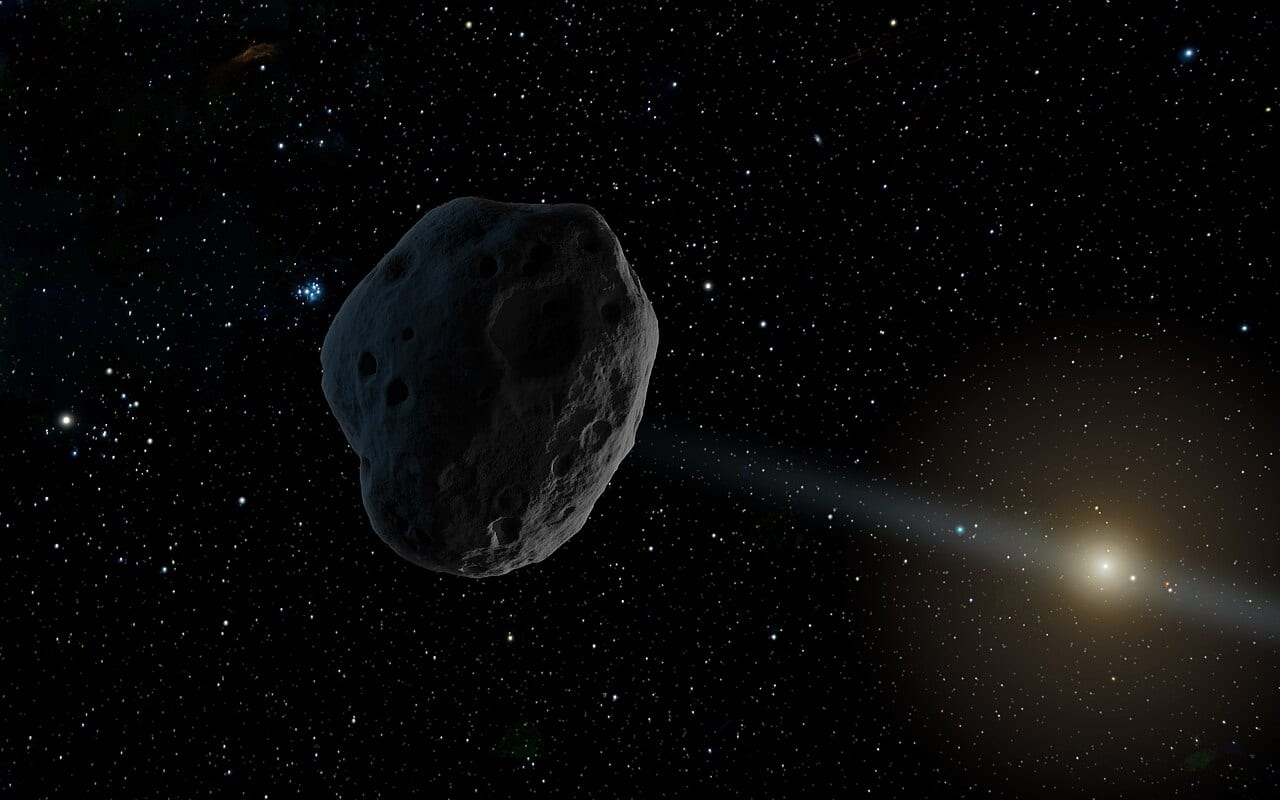
A nuclear blast could save Earth from an asteroid, but there's a catch

A nuclear explosion might save Earth from a deadly asteroid, but new research suggests that hitting the wrong side could make the difference between success and disaster. Scientists found that an asteroid's irregular shape can dramatically affect how it responds to an X-ray blast, with deflection effectiveness varying nearly fivefold depending on the angle.

Advertisement
Science

Scientists accidentally solve a chemistry mystery that lasted 60 years

After more than 60 years of unsuccessful attempts, scientists have finally isolated stable examples of elusive boron-oxygen molecules once considered too unstable to capture. The surprising breakthrough, achieved using relatively simple chemical reactions, could pave the way for an entirely new class of exotic compounds.

Science

Rubin Observatory discovers two hidden companions of the Milky Way. Hundreds more may be waiting

The Vera C. Rubin Observatory has already uncovered two previously unknown companions of the Milky Way using preliminary observations covering just 7% of the night sky. The discoveries include an extremely faint galaxy 355,000 light-years away and a star cluster hidden behind cosmic dust. Scientists suspect hundreds of additional satellite galaxies remain undiscovered, and Rubin's powerful telescope could finally bring them into view.

Health

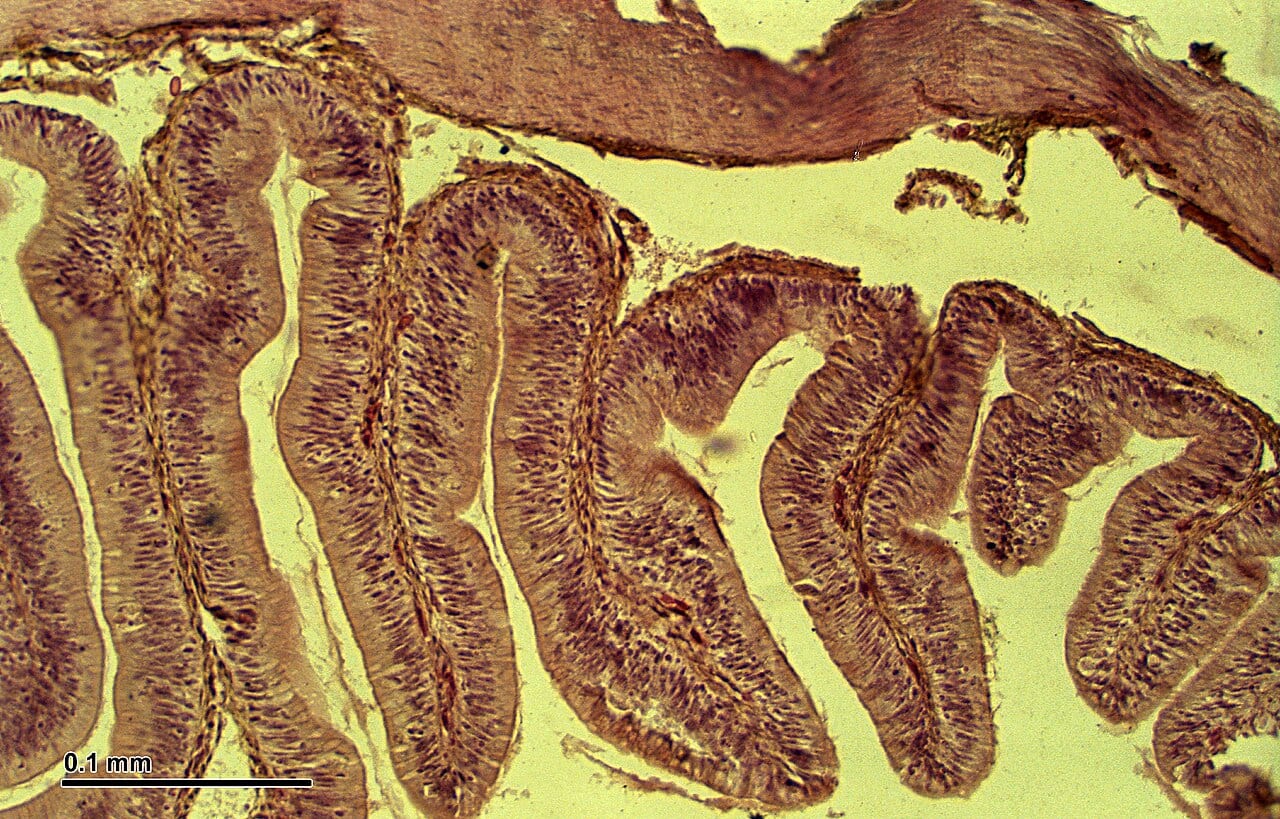
A compound hidden in broccoli could help fight a devastating genetic disease

A compound naturally found in broccoli could help fight Friedreich ataxia, a devastating genetic disease that progressively damages the nervous system, by boosting a vital protein and protecting nerve cells. Scientists hope the discovery could lead to an affordable treatment, although clinical trials are still needed to establish its effectiveness in patients.

Science

Scientists discover Europe's ancient forests were nothing like we imagined

Scientists have uncovered evidence that Europe was dominated for more than 20 million years by open woodlands, colorful meadows, and large grazing animals, not the dense forests long considered its natural state. The surprising discovery challenges modern reforestation strategies, suggesting that planting thick forests could actually harm the biodiversity conservationists hope to protect.

Science

Five-inch-long beetle larvae are quietly destroying blueberry roots

Scientists have solved a mystery surrounding destructive beetles attacking blueberry bushes in North Carolina, identifying a species whose massive larvae can grow up to five inches long and destroy plant roots. Although farmers have reported damage for more than a decade, the insects responsible remained unidentified until researchers used DNA analysis to uncover the culprit.

Science

Scientists just found dinosaur blood that survived 115 million years

Scientists have discovered chemically confirmed traces of ancient blood inside 115-million-year-old dinosaur bones, challenging assumptions about how long biological molecules can survive. The extraordinary preservation could unlock new clues about dinosaur physiology and even help scientists search for ancient life elsewhere in the universe.

Advertisement
Science

Scientists discover mysterious “lonely” brain waves linked to memory loss

Scientists have uncovered a surprising link between Alzheimer’s-related protein buildup, disrupted brain waves during deep sleep, and fading memory. The findings suggest that hidden changes in how the brain processes memories overnight may contribute to age-related memory loss long before Alzheimer’s symptoms appear.

Science

Scientists turn viruses into weapons against deadly superbugs

Scientists are advancing a promising new way to fight antibiotic-resistant infections by using viruses that specifically target and kill harmful bacteria. An international team has released the first coordinated guidelines for personalized phage therapy, offering a roadmap for safely bringing this experimental treatment into clinical practice. Early findings are encouraging, with one study reporting improvement in 77% of patients and the disappearance of targeted bacteria in 61%.

Science

A clever molecular trick unlocks previously impossible properties in glass

Scientists have discovered how to reprogram the internal structure of glass using a special molecule that rearranges chemical bonds while lowering the melting temperature. The breakthrough could unlock entirely new glass materials with precisely controlled magnetic and optical properties, opening possibilities for advanced electronics, sensors, and other technologies.

Science

Scientists discover that a clogged filter could revolutionize oil refining

Scientists have developed a remarkable new membrane that separates crude oil at room temperature, using the oil itself to create microscopic filtration channels. The breakthrough could cut refining energy consumption by nearly 32%, carbon emissions by almost 38%, and operating costs by 36%, potentially transforming one of the world's most energy-intensive industries.