A community group in Montenegro is converting years of litter cleanups into mapped data. EkoGard, led by founder and general director Senad Pepić, created a digital tool called EkoMapa that records illegal dumpsites and shows where residents lack waste services, Pepić told Global Voices in an interview.
A national problem
Montenegro is heading toward EU membership, and the stated aim for now is 2028. A 2025 review by the United Nations Economic Commission for Europe (UNECE) concluded that the country has advanced considerably in bringing its environmental rules, and a large share of its national laws, into line with EU directives. Yet waste handling is still a trouble spot. According to the same review, recycling stands below 2 percent, well short of the EU goal of 50 percent.
Thomas Waitz, an Austrian member of parliament who chairs the delegation to the EU-Montenegro Stabilisation and Association Parliamentary Committee, told The New Union Post that Montenegro had seen "massive improvements". As one example he named the shutting of over 100 illegal landfills during the past year. He also said roughly 500 others remain, and that it would be impossible to expect every one to be cleaned up.
From cleanups to a map
EkoGard emerged from Očistimo Rožaje, an initiative in which members spent six years assembling a community willing to act. The work started with illegal dumpsites and later widened to other environmental and social concerns. Activities included cleanups, work with young people and campaigns.
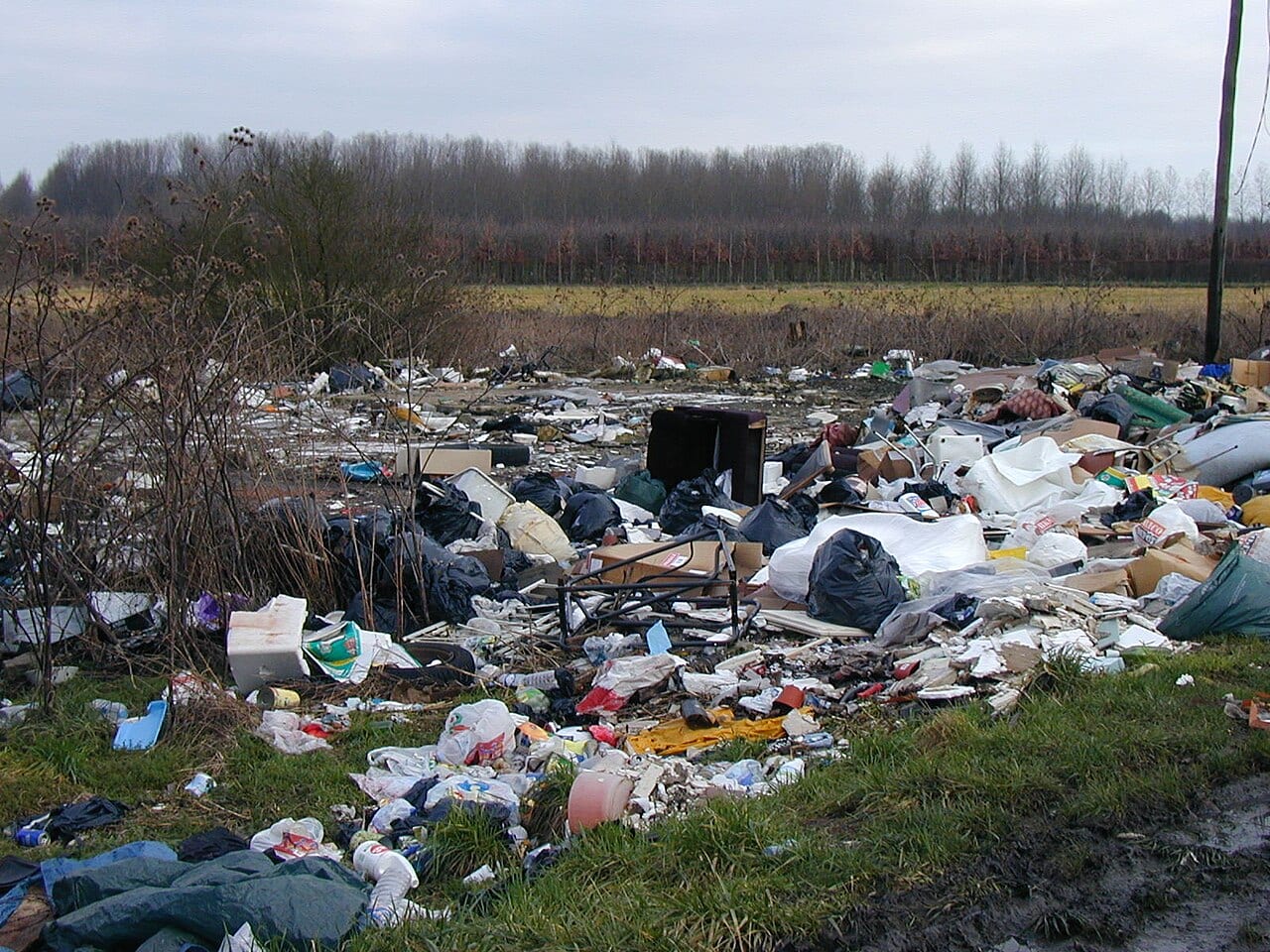
Pepić described one cleanup that shifted the group's thinking. Volunteers emptied a dumpsite next to a rural road in an area where residents had no proper place to leave rubbish, with the closest legal option roughly six kilometers off. Afterwards the group asked for a container and was promised the issue would be dealt with. Three years on, no container had appeared and the dump was back.
Pepić said the group held photos, posts and letters from other areas, yet lacked any means of seeing how widespread the problem was or how it connected to shortfalls in collection. EkoMapa was built with backing from Digital Spark, a granting scheme under the Regional Support Mechanism EECA project. The Metamorphosis Foundation and TechSoup implement that project in partnership with CIVICUS, within the Digital Democracy Initiative.
EkoMapa started as a chart of illegal dumpsites and became a means of studying environmental conditions one settlement at a time. EkoGard also developed a model that draws on the data it gathers to rate environmental risks and service gaps in each settlement. Pepić said it helps the group notice patterns, compare needs and discuss findings with local institutions.
Early results and limits
Activists now have a practical way to document what they find and can argue their case more strongly in public campaigns, Pepić said. Organizations in other towns and countries have expressed interest in the tool, and the local waste management company has recognized that the information could be useful to its work. He cautioned that so far the clearest shifts are in how activists operate and in new conversations with other organizations and local institutions. Changes on the ground, he said, will take longer.
The project also showed the group that offering people a way to flag a problem is merely a first step. Residents need to understand why data is gathered, what will happen to it and how it might bring change. Pepić said technology cannot stand in for fieldwork, talking with residents or working with institutions, and that tackling only what is visible makes it likely the same problem will return.
What comes next
EkoGard intends to take its findings to local government and press for better planning of waste collection and other local services. It wants to highlight settlements it says have been overlooked for years and monitor how institutions respond. Alongside other Montenegrin organizations, it is also preparing a campaign to create a National Eco Line, a countrywide channel for reporting environmental problems and tracking the reaction of the responsible authorities. Pepić acknowledged that results may take time.
Sources
- Global Voices (CC BY 3.0)