Twelve councils in England will divide more than £11.2 million to help coastal communities prepare for land being lost to the sea, according to a government announcement. The money comes through the Coastal Adaptation Pilots scheme.
The government says England's coastline is among the fastest-retreating in Europe. It cites the latest Environment Agency assessment, which estimates that coastal change could put around 20,000 homes and businesses at risk by 2105.
What the councils plan to do
Schemes in Cornwall, Somerset and North Yorkshire are among those receiving money. The funding is meant to support newer techniques, such as building three-dimensional models of cliffs. The pilots will continue until March 2029, and the government says other coastal areas will be told what was learned.
- North Yorkshire: The council has £970,000 for several linked projects. Drones fitted with LiDAR will survey cliffs so that movement is picked up sooner, which the council can use in planning and emergency decisions. Planning work will centre on Filey Flat Cliffs, where the access road and utilities are a concern. Cayton will get a modular route intended to keep people reaching the shore if current access disappears, a trial that could be repeated at other sites.
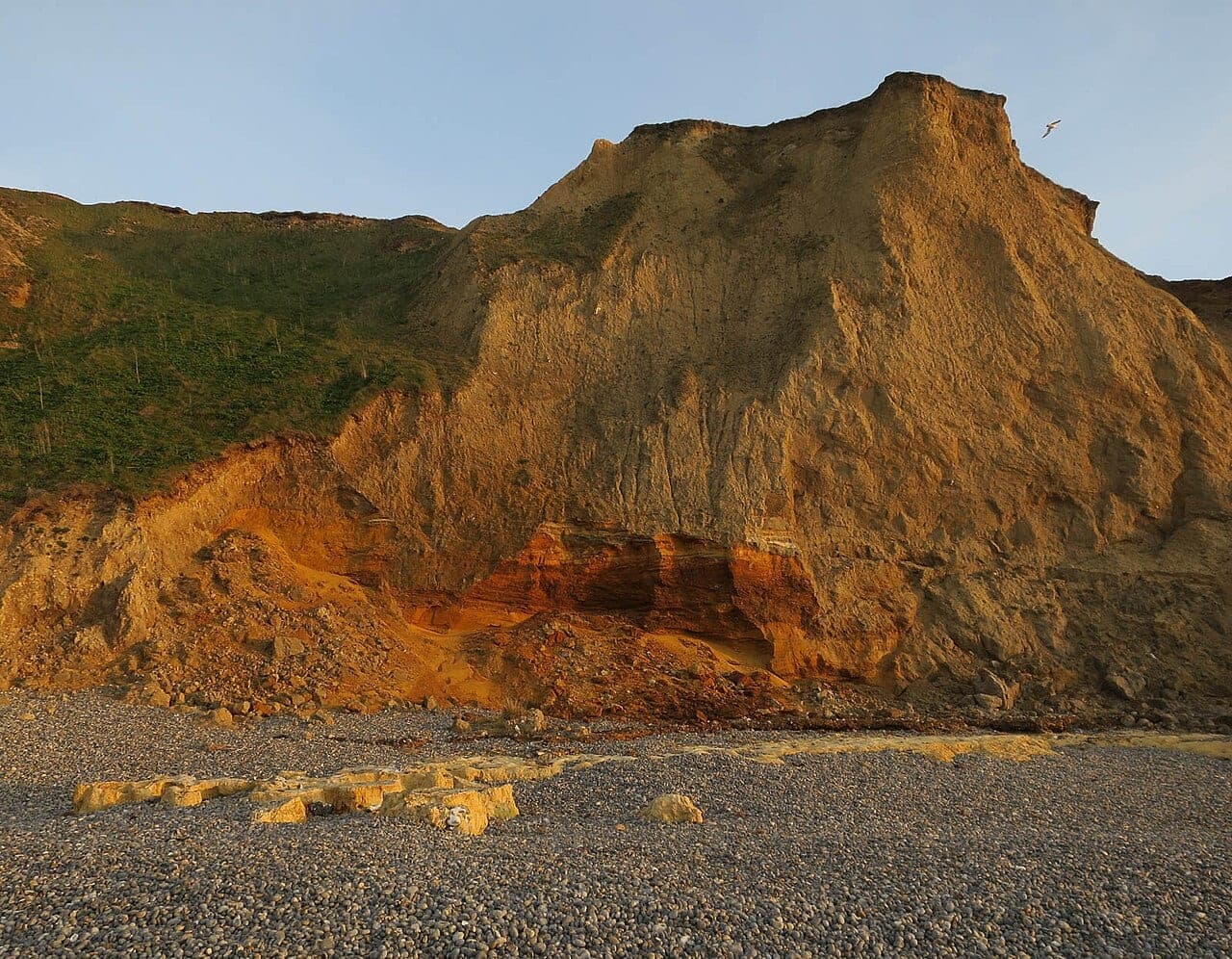
- Somerset: In West Watchet, a £290,000 scheme will combine detailed 3D cliff modelling with regular engagement with residents and a public Storymap. The government says erosion has already shut the B3191, and around 20 properties face a current or future threat from slumping.
- Cornwall: With £2.6 million, the council and its partners will pursue a mix of work, from digital tools and highway changes to natural coastal defences and plans drawn up by local people. Dunes will be watched and managed in Cornwall and Devon, the Isles of Scilly included, and a Future Coast Cornwall scheme will work with at-risk places such as Newquay.
What officials said
Floods Minister Emma Hardy said that where defences can no longer hold back the sea, people need time and help to get ready, particularly in communities with fewer resources. She added that different places will need different answers, and the pilots are designed to find out what works locally.
Julie Foley, who leads flood risk strategy and adaptation at the Environment Agency, said the projects would give people a clearer view of the choices open to them and encourage early action. The government acknowledged that keeping today's shoreline in place may not be viable everywhere in the long run, though defences will still be used where possible.
Earlier funding
Earlier this year, £18 million went to four more developed schemes in East Suffolk, North Norfolk, Great Yarmouth and the East Riding of Yorkshire, which the new pilots are meant to complement. One model under development there would give qualifying households money and more certainty to relocate while their homes are still safe, after which councils would arrange demolition.
The government argues that early preparation will cut spending on expensive emergency responses and reduce disruption to infrastructure and tourism. The councils will now refine their plans with residents and partners, supported by the Environment Agency.