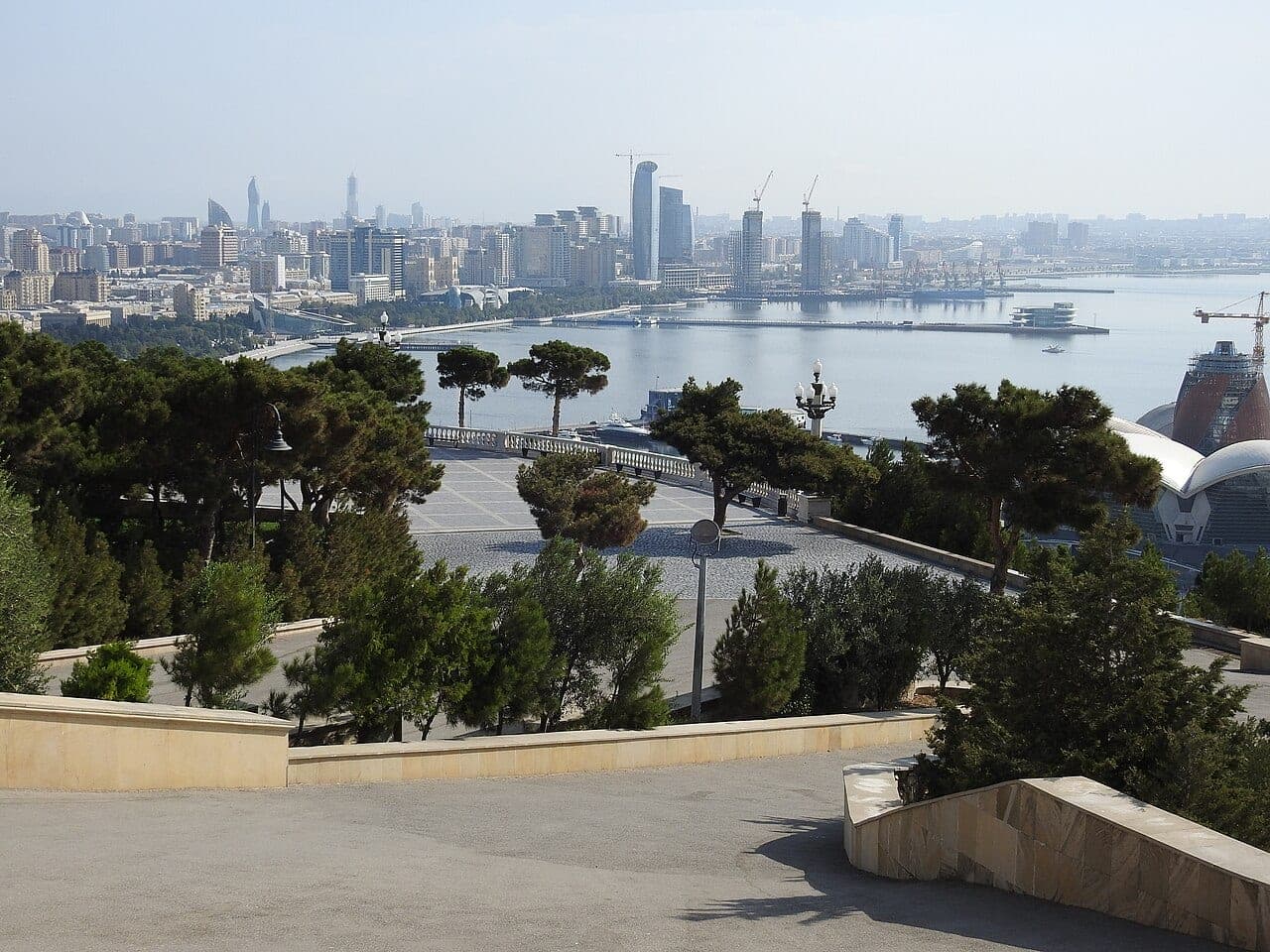
Bahruz Samadov, an Azerbaijani political scientist and peace activist serving 15 years for high treason, has accused the Trump administration of staying silent about political prisoners in his country. He makes the argument in a letter written in prison, which Global Voices published at his request.
An appeal that went unheard
Samadov writes that after a US delegation came to Baku in January 2026, he and several other detainees urged American officials to raise their cases with the Azerbaijani authorities. He says this approach partly succeeded during Obama's second term. Harsh verdicts have kept coming since, he notes. Journalists from the Baku-based Toplum TV, veteran rights defender Anar Mammadli and others have been handed terms of up to 15 years.
He contrasts Washington with Europe. The European Parliament recently passed a resolution urging the release of Azerbaijan's political prisoners, he writes, and PACE and the UN have made comparable demands. By his account, the Trump administration has taken no publicly known step on serious abuses in Azerbaijan, even though it has repeatedly condemned abuses in rivals such as Iran, Cuba and, formerly, Venezuela. Samadov argues that this selectivity damages US democratic security and its image abroad. He urges Washington to follow Amnesty International's advice to raise concerns about Baku's rights record at every bilateral and multilateral opportunity.
From Biden-era tensions to brief hopes
According to the letter, Azerbaijan relaunched a broad crackdown on civil society, independent media, politicians and academics in late 2023. Samadov says more than five fellow prisoners privately tied this to worsening relations with the Biden administration, which criticised Baku's rights record. Weeks before that administration left office, Blinken invited rights defender Rufat Safarov to Washington to collect the Human Rights Defender Award. Safarov was arrested on hooliganism and fraud charges hours after he had been to the US Embassy in Baku. Samadov reads this as a signal that the outgoing team could not shield Azerbaijan's critics.
Baku treated the Trump administration differently, he writes. He calls the August 8, 2025 meeting and peace agreement a short-lived source of hope. Although the deal said nothing about human rights, Washington's plans for long-term involvement in the region raised expectations of at least minimal reforms.
The case against him
Samadov's conviction has been upheld at every level. The Baku Grave Crimes Court imposed the 15-year term on June 23, 2025, after a trial held behind closed doors. The Baku Court of Appeal confirmed it in September 2025, and the Supreme Court followed in September 2026. Amnesty International, which considers his imprisonment arbitrary, reports that he has been kept in solitary confinement and refused medical care. It adds that he has tried to take his own life twice, most recently during the Supreme Court hearing.
Global Voices says prosecutors built the treason case on his WhatsApp conversations with Armenian peace activists and on information already in the public domain. Samadov denies wrongdoing and describes himself as a "prisoner of peace". His lawyer contended that the prosecution's "indirect espionage" theory was vague and without foundation in earlier rulings. A doctoral candidate at Charles University in Prague, Samadov was detained by the State Security Service on August 21, 2024, during a stay with his grandmother in Baku. Global Voices linked the arrest to a broader sweep against critics ahead of the COP29 summit Azerbaijan hosted in November 2024. He was among a handful of Azerbaijanis who spoke out against the 2020 Karabakh war, and in his writing he had called for dialogue with Armenia.
Sources
- Global Voices (CC BY 3.0)