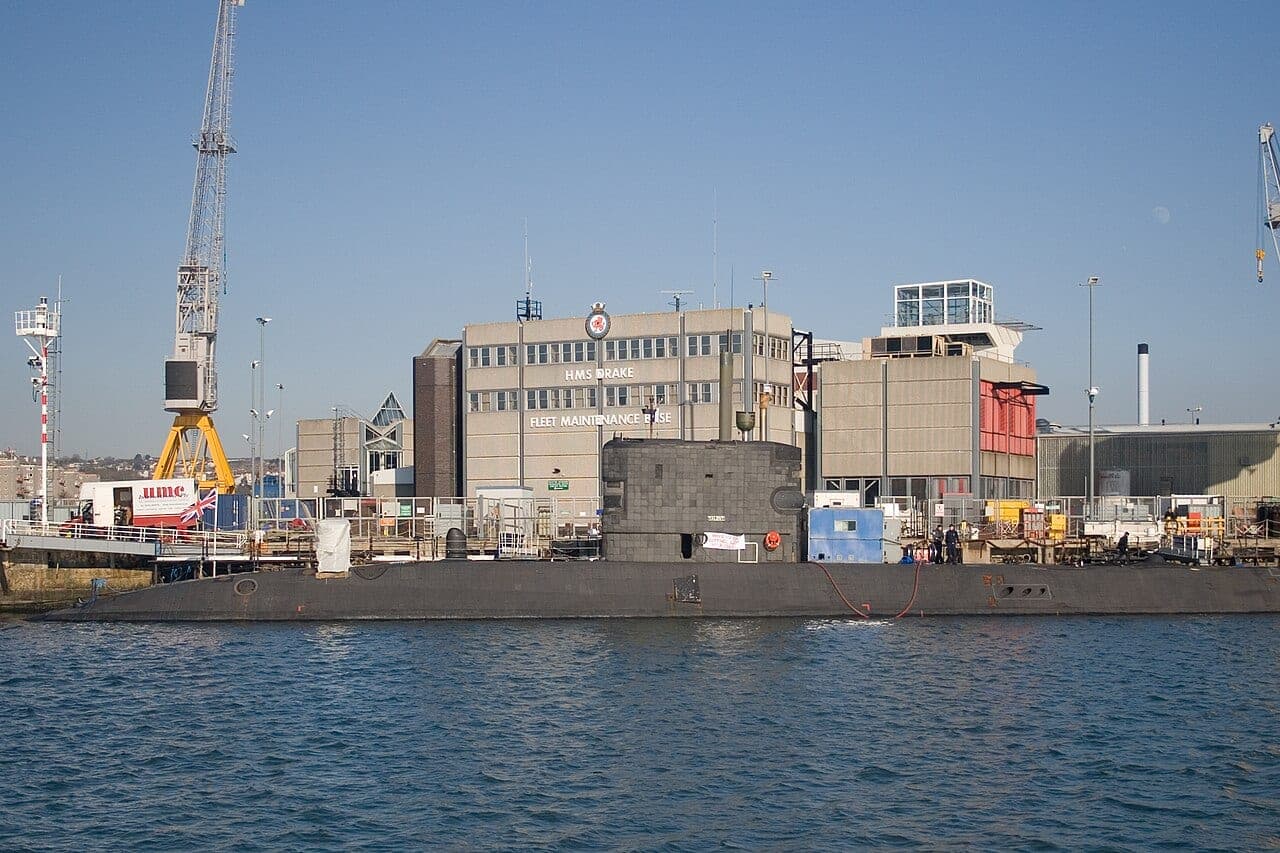
The Ministry of Defence has awarded British firm Babcock a five-year deal worth around £8 billion to cut the time Royal Navy submarines spend in maintenance, the UK government said. The contract is called the Gateway Agreement. It overhauls how Babcock carries out submarine servicing and essential naval base support, and the government says it is aimed at clearing delays and updating working practices. According to the government's announcement, Defence Secretary Wes Streeting was due to unveil the deal on a visit to HMNB Devonport.
Getting boats back to sea
Under the new terms, Babcock is rewarded for finishing work sooner, the government said. Officials expect submarines to leave dock earlier and stay available for operations for longer. The government said this matters for Royal Navy duties such as nuclear deterrent patrols and the UK's NATO and AUKUS commitments. The agreement also covers sea training, facilities for surface ships and future autonomous capabilities.
Streeting argued that the deterrent's strength depends on keeping submarines at sea. He also said budget pressures would not push it down the list: "Even when we have to move funding from other departments, we will prioritise our nuclear deterrent". First Sea Lord General Sir Gwyn Jenkins said the agreement was important because submarines can only do their work at sea if they are properly maintained.
Jobs and spending
The government expects the deal to generate about 3,000 skilled jobs, concentrated in Plymouth, Clyde and Bristol. It also expects about 2,500 apprentice and graduate places, partly intended for young people who are outside work, education and training. Streeting put the combined total at 5,500. The government said a further 8,500 current posts at the Devonport and Clyde maintenance sites will be sustained.
Around £2.4 billion of the contract value is due to flow into the wider UK supply chain, of which about £1 billion is aimed at small and medium-sized firms. The MOD described the award as its second submarine-related contract worth several billion pounds since the Defence Investment Plan came out. Babcock chief executive Harry Holt said the deal would help the company raise submarine availability and build the skills, infrastructure and capability the Navy's submarine force will need.
Wider naval investment
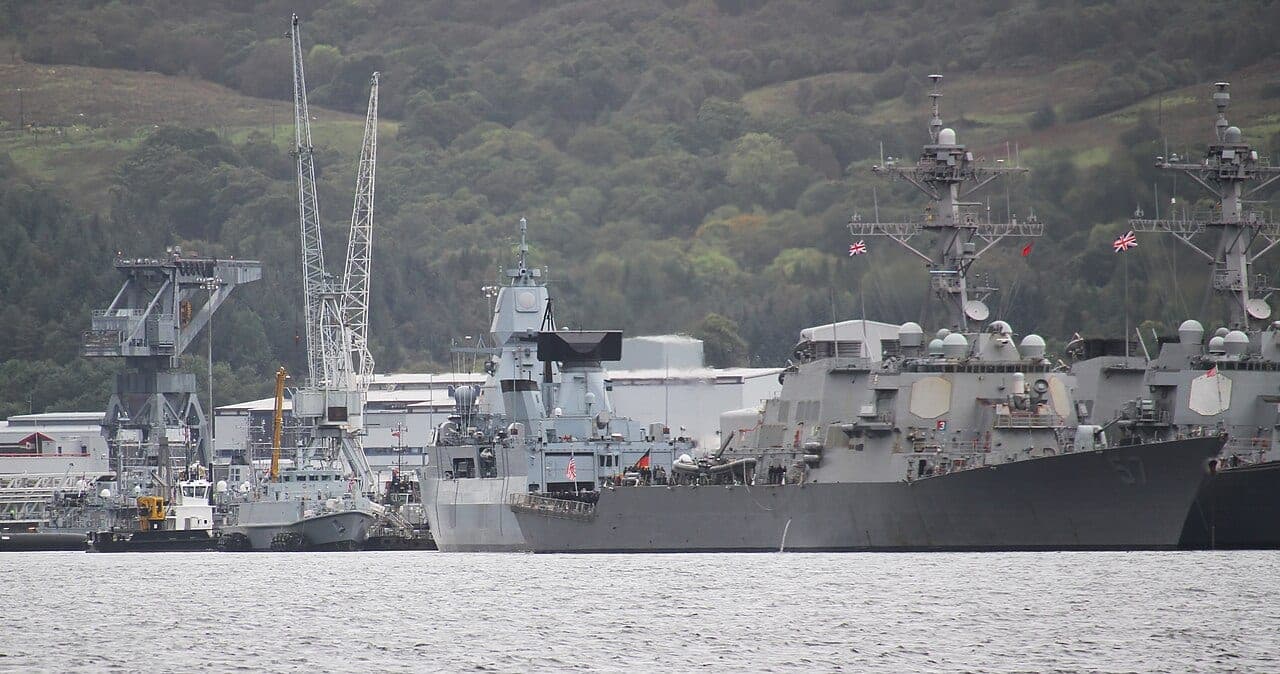
The contract runs in parallel with Project Royal Oak, which the government calls the biggest naval infrastructure spending programme since the Cold War. Under that programme, £26 billion is to be spent over 10 years upgrading infrastructure and accommodation at Devonport, Clyde and Portsmouth. Clyde is home to the Submarine Service. Through Programme Euston, it is due to gain a British-built facility for working on submarines out of the water by the 2030s.
These projects draw on a large nuclear workforce. The Defence Nuclear Enterprise runs and sustains the deterrent with its industry partners. According to the government, the enterprise supports more than 6,000 UK companies and about 47,000 jobs, and demand for workers is expected to reach approximately 65,000 by 2030.