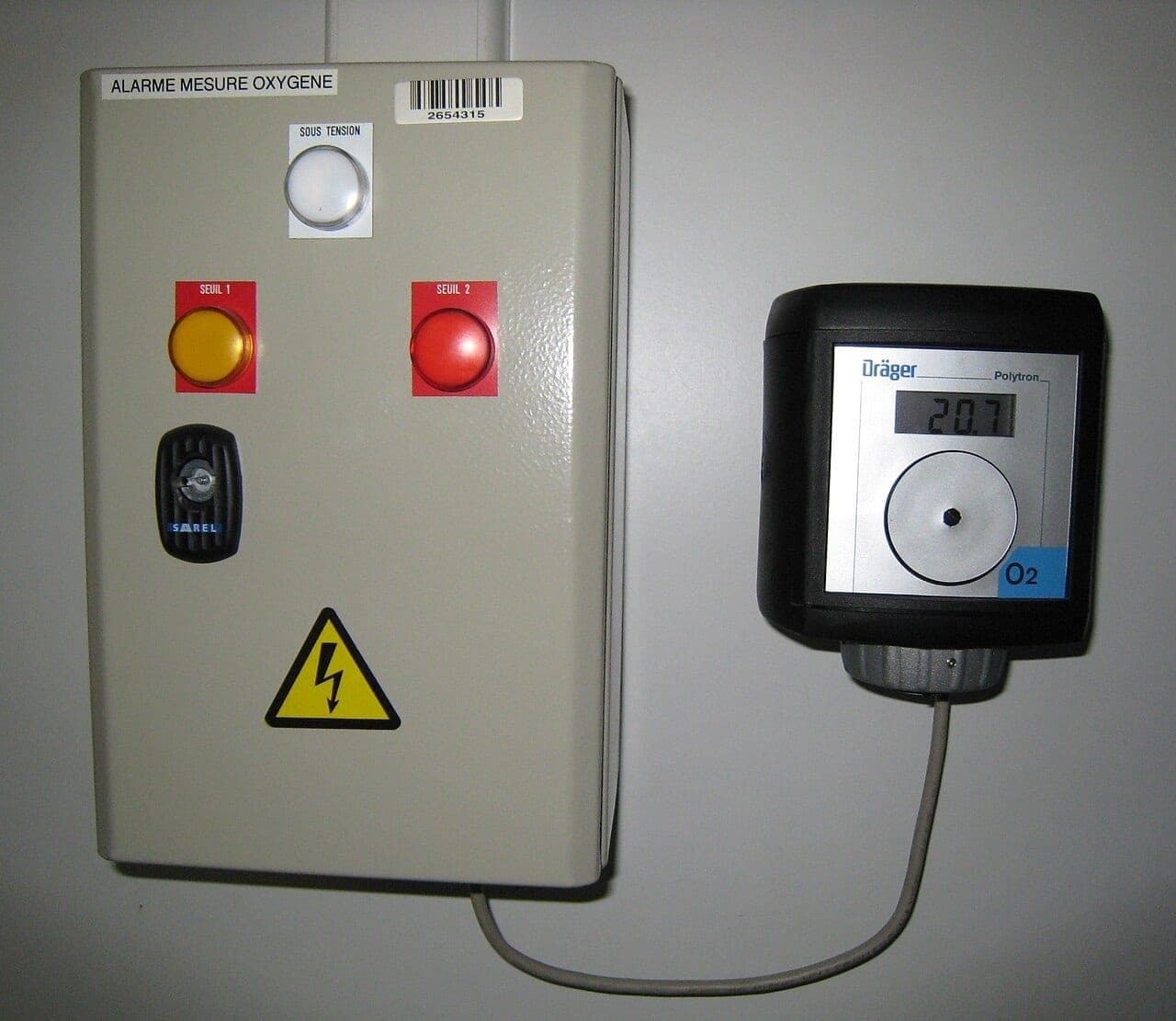
UK Defence Innovation (UKDI) has opened a new funding round for sensors that can sound an alarm within 30 seconds of toxic gas reaching unsafe levels in crowded public places. The competition, Rapid Detection of Toxic Gases: Phase 2, is run for the Home Office and the National Protective Security Authority (NPSA). According to GOV.UK, at least £1 million is on offer, excluding VAT.
Why speed matters
UKDI argues that gas releases inside enclosed or partly enclosed venues can escalate faster than today's safety procedures can cope with. Such incidents, it says, may stem from an accident, faulty equipment or a deliberate act. The defence and security partners behind the scheme want earlier warnings so that organisations can intervene before people are seriously hurt. They also want detectors that perform dependably in busy, complicated surroundings, need little upkeep and seldom trigger false alarms.
From concept to working prototype
This is the second round of the programme. The first phase took promising ideas to Technology Readiness Level (TRL) 4, and UKDI now wants them built and demonstrated as prototypes at TRL 6 or higher. Entrants must already have reached TRL 4 and present a believable plan for hitting TRL 6 within the project.
Beyond the 30-second alarm, the agency expects equipment compact enough for public venues that keeps working amid passing pedestrians and traffic, runs largely unattended, and can share its readings over a network with outside systems. A realistic prospect of defence and security use is also required. Picking up many different gases is a priority, and UKDI welcomes unconventional sensing methods, although fresh applications of established technology still qualify. Either a standalone unit or an array of sensors is acceptable. The organisers add that they are interested in tools that plug into wider surveillance and building management systems while cutting both missed detections and false readings.
How entries will be judged
Organisations registered in the UK or the US may bid, provided the work happens in one or both countries. Applicants first submit a short outline of their idea and technical approach for screening; those shortlisted are then asked for a full proposal. UKDI says this split is intended to ease the effort required of everyone involved. Specialists from the Defence Science and Technology Laboratory (Dstl) will help assess bids. First-stage entries are due through the UKDI Online Submission Service by noon GMT on 10 December 2026.