UNICEF is asking for more help for children in flood-hit parts of Nepal as winter approaches. In a statement issued in Kathmandu on 25 November 2026, the UN children's agency said its overall request stands at US$47 million and that around US$30 million of it has yet to be funded. The request covers two things: supporting children and families through the winter months, and restoring and strengthening services for those affected by the floods.
The appeal comes almost three months after floods struck along the Bhote Koshi River on 26 August. UNICEF estimates that 84,270 people were affected, 32,021 of them children. According to the agency, thousands of homes were destroyed or damaged, and bedding, clothes and other household goods were swept away. UNICEF says winter temperatures in Nepal's hills and mountains can reach -12°C in some areas.
Why the cold matters
UNICEF says the loss of homes and household goods has left many families vulnerable as harsh winter weather approaches. "No child should have to endure freezing temperatures because a disaster took away everything their family owned," said Alice Akunga, UNICEF Representative to Nepal. She said the agency's winter help is also about keeping newborns alive in their earliest months, helping children keep learning, protecting health and stopping families slipping further into hardship.
According to UNICEF, the dangers go beyond the weather. The agency says trauma, psychosocial distress and threats to children's safety remain serious. It adds that long displacement and lost incomes keep raising the risk of violence, exploitation and families being separated. It says roughly 30,000 children need repaired classrooms, safe places to study and learning materials so their schooling can continue.
Where the money would go
UNICEF's winter plan begins with cash for 10,000 households, which it puts at approximately 50,000 people. The agency also intends to hand out 2,000 kits for newborns and mothers that include warm clothing and basic supplies, along with blankets, winter clothes and kits for children. It plans heating for temporary classrooms and clinics. UNICEF says mothers and babies need health centres that are warm, properly equipped and able to cope with shocks. It also plans to keep funding a climate-resilient recovery and the return of basic services.
What has been done so far
UNICEF says it has worked with the government and partner organisations since the floods hit. By the agency's count, more than 42,000 people have regained safe water, sanitation and hygiene, and almost 19,500 children and caregivers have received mental health and psychosocial help. It also reports that 66,000 people have been vaccinated against cholera, and that it has backed 35 child-friendly spaces and 52 temporary learning centres.
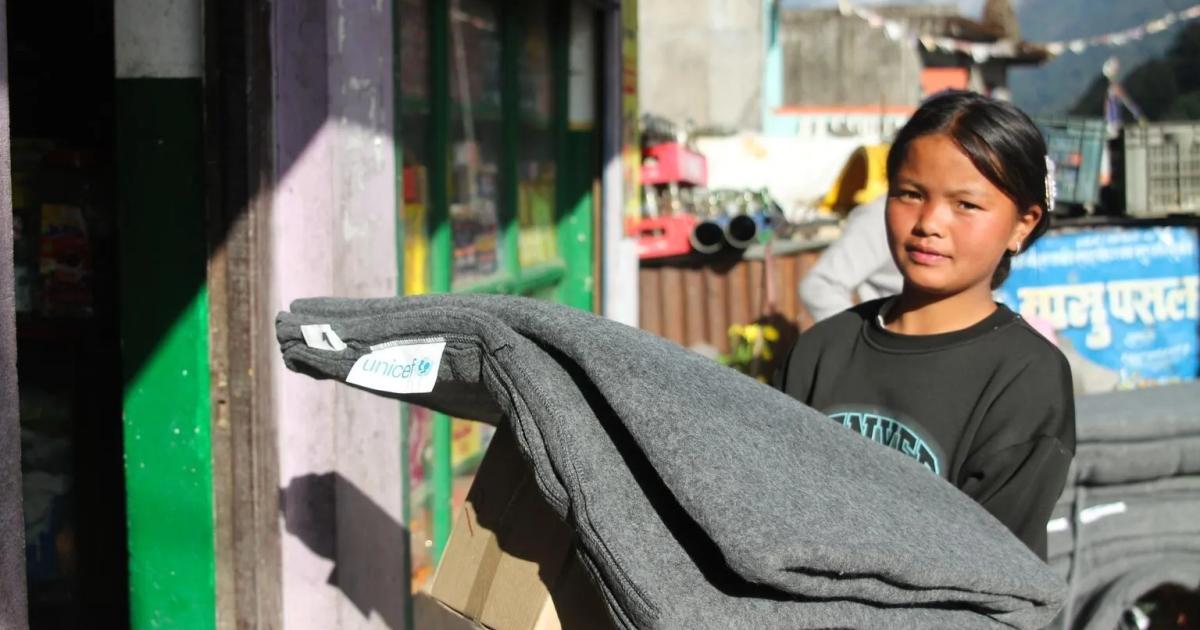
Winter aid has started on a smaller scale. UNICEF says 1,472 children have been given warm clothes and 1,337 thermal blankets have been handed out, together with cash, heated learning spaces and help for pregnant women and newborns. The agency says more is needed and is asking development partners, businesses and the public to contribute. As Akunga put it, "while the floods may have passed, the emergency for children is far from over."