Britain has joined 10 other countries in endorsing STARLIFT, a NATO initiative meant to widen allied options for putting satellites into orbit, the UK government said. London says the scheme should let it reach space more dependably, and at shorter notice.
According to the government, the UK's National Armaments Director signed the document in Brussels. The other signatories were Canada, the Republic of Korea, Germany, Belgium, Norway, Finland, Sweden, Italy, Türkiye and the Netherlands.
What the scheme sets out to do
Per the government, STARLIFT will lean on commercial launch firms and their facilities to assemble a web of launch capacity spanning the Alliance. Officials describe the intended result as space access that is sturdier, quicker to respond and cheaper. Four first-stage projects are planned:
- agreeing shared methods for allies to find, combine and buy launch capacity;
- designing and trialling launches that can be mounted quickly;
- reinforcing the facilities and supply chains that keep routes to orbit available;
- tackling regulatory obstacles and improving the management of air, maritime and space traffic.
The government's case
The government points out that card payments, weather forecasts and mapping and navigation journeys all rely on satellites, and that orbit is growing more crowded and contested. Defence Secretary Wes Streeting said hostile states pose a threat from space and that STARLIFT will pool allies' strengths. Space Minister Liz Lloyd said the scheme follows the investment in SaxaVord spaceport and adds to UK launch capability.
London also presents the agreement as fulfilling a pledge in the UK Space Strategy to strengthen collective defence through NATO. It says the move backs the strategy's goal of depending less on any one launch provider. That strategy earmarks more than £7.8 billion to protect British interests and grow the economy via space.
Launch capacity at home
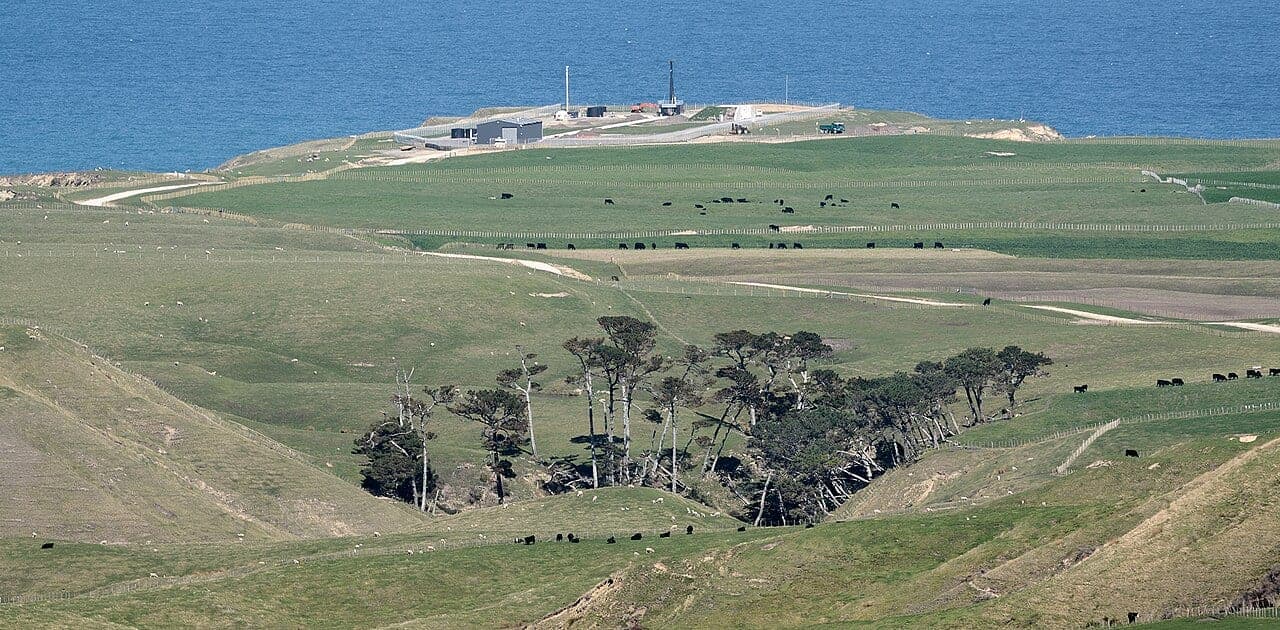
The government notes that SaxaVord Spaceport in Shetland is the only UK site holding a full licence for vertical orbital launches, and that it is cleared to host as many as 30 launches annually. In September, ministers announced plans to put £30 million towards getting the infrastructure ready for regular orbital launch activity.
The announcement also mentions Titania, recently launched as the second satellite under Programme ISTARI. The government says it will help the armed forces watch military activity on Earth from orbit.