Early results from a UNICEF monitoring effort in eastern Democratic Republic of the Congo suggest that violence against women and adolescent girls is rising alongside the Ebola outbreak. The agency released the findings at a press briefing at the Palais des Nations in Geneva on 24 November 2026. They were presented by Dr. Douglas Noble, who leads UNICEF's work on public health emergencies worldwide and heads its Ebola incident response.
What the early data show
According to UNICEF, nearly 6 in 10 of the women and adolescent girls surveyed reported that violence or abuse had begun or grown worse in their lives since the outbreak started. More than a third pointed to someone exerting greater control over them, with emotional and psychological abuse next. Some respondents also described physical and sexual violence.
UNICEF said seven in 10 respondents belong to families that have undergone isolation, quarantine or contact tracing. Among those, nearly 2 in 3 reported new or increased violence, and nine in 10 attributed it to outbreak-related fear and strain at home.
How the information was gathered
UNICEF says that, to its knowledge, this is the first time violence against women and adolescent girls has been tracked in real time during an active disease outbreak. Its partners in the project are SOFEPADI, a women-led group based in Congo, and Washington University in St. Louis. To date, 1,062 women and adolescent girls in five Ituri health zones have taken part. UNICEF is also collecting views from young people via its U-Report digital platform and consulting frontline workers.
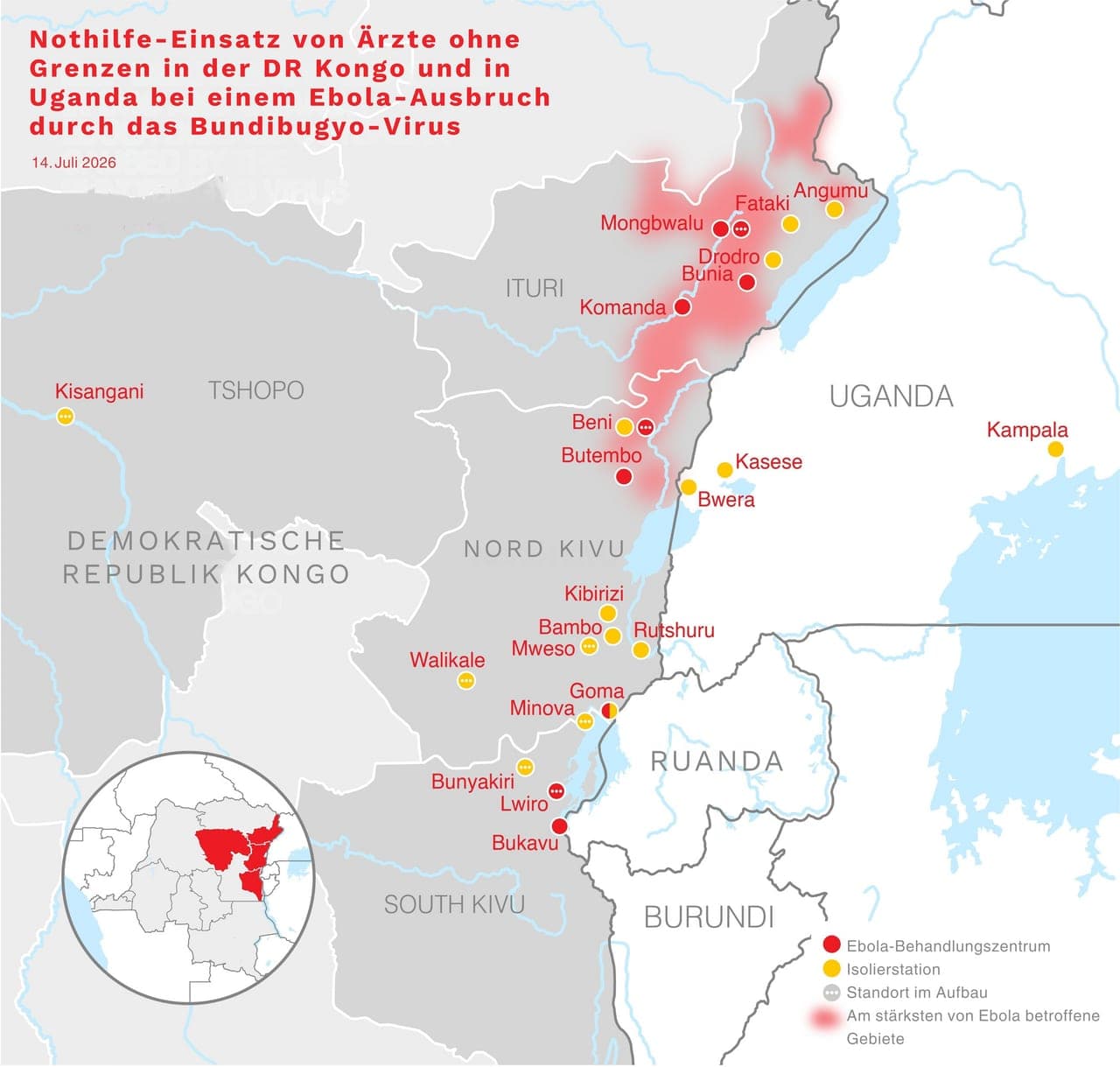
Noble reported on a trip to Beni, Butembo and Bunia. He said the response has advanced considerably since his previous visit in May, although much work remains. In Bunia he went to a protected area set up for women and girls alongside an Ebola treatment centre, and to a focus group held at a nearby church. There, he said, he learned that fear of Ebola was leading to restrictions on women's movements, which could expose them to violence and abuse.
Funding and calls for action
Noble stressed that isolation, quarantine and contact tracing are essential to ending Ebola. The findings, he said, show that families face heavy pressure and that women and girls carry much of the burden. He said he raised the matter during the mission, found real interest in dealing with it, and that UNICEF and its partners will follow up.
Noble said that since June UNICEF and partners have assisted more than 3,300 people who experienced gender-based violence in Ituri and North Kivu. He described protection of women and children as one of the least funded parts of the response, with a gap of 76 per cent. He urged that support for women and girls remain available, reachable and financed, that new services be opened where Ebola is spreading, and that such monitoring be included in every outbreak response from the first day.