NASA has opened its Power to Explore Student Challenge, a science and engineering competition about space nuclear power for US students from kindergarten through 12th grade. The agency said the contest began on Tuesday, Nov. 17, and the deadline for submissions is March 1, 2027.
What entrants must produce
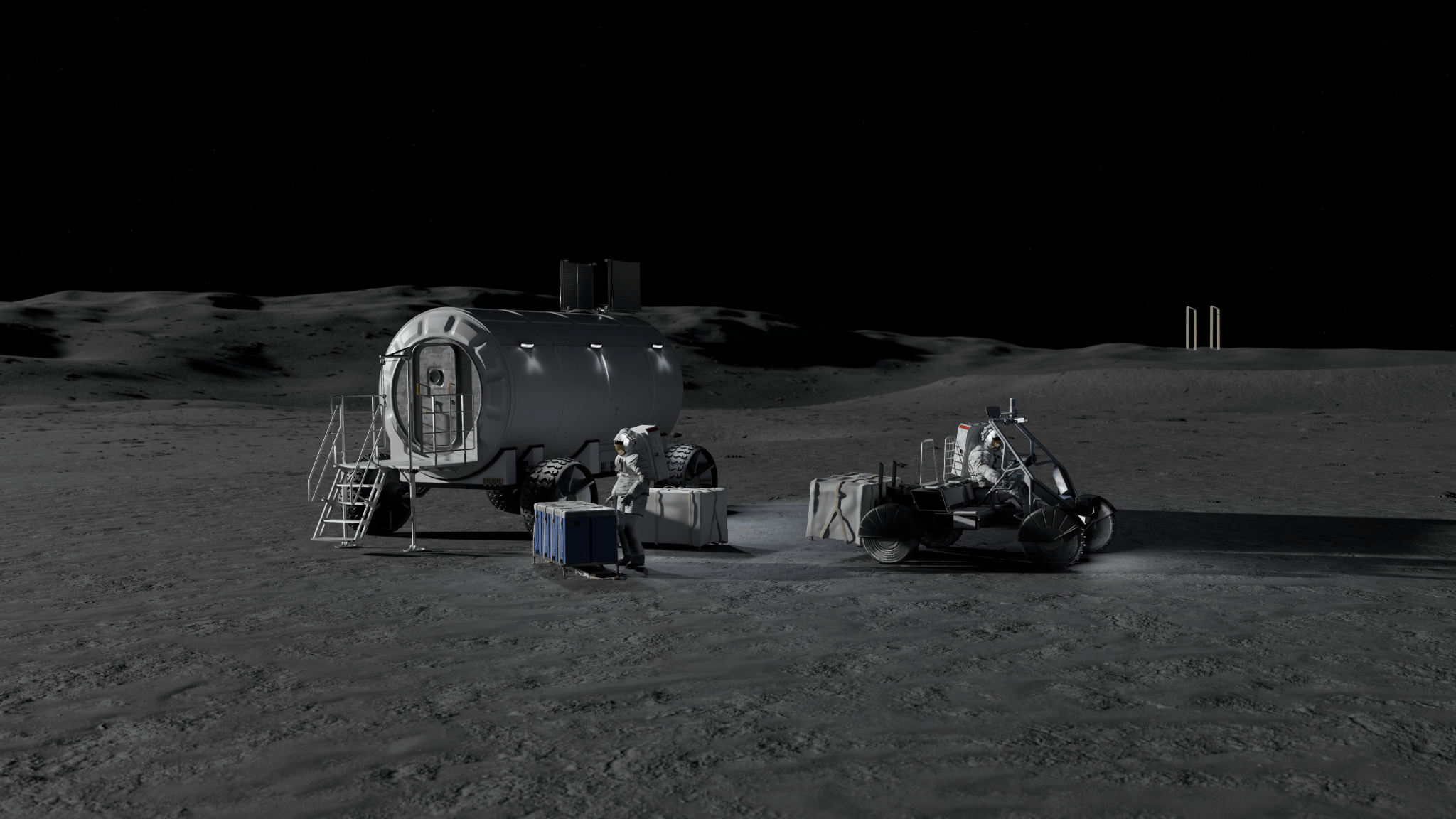
According to NASA, each submission combines a 200-word essay with an original illustration. The essay asks students to write about a personal strength, framed as a superpower, that could aid the mission. The drawing should depict the student's own design for a Moon base powered by nuclear energy, using radioisotope and fission-based systems together, and should reflect what kinds of missions nuclear energy makes possible.
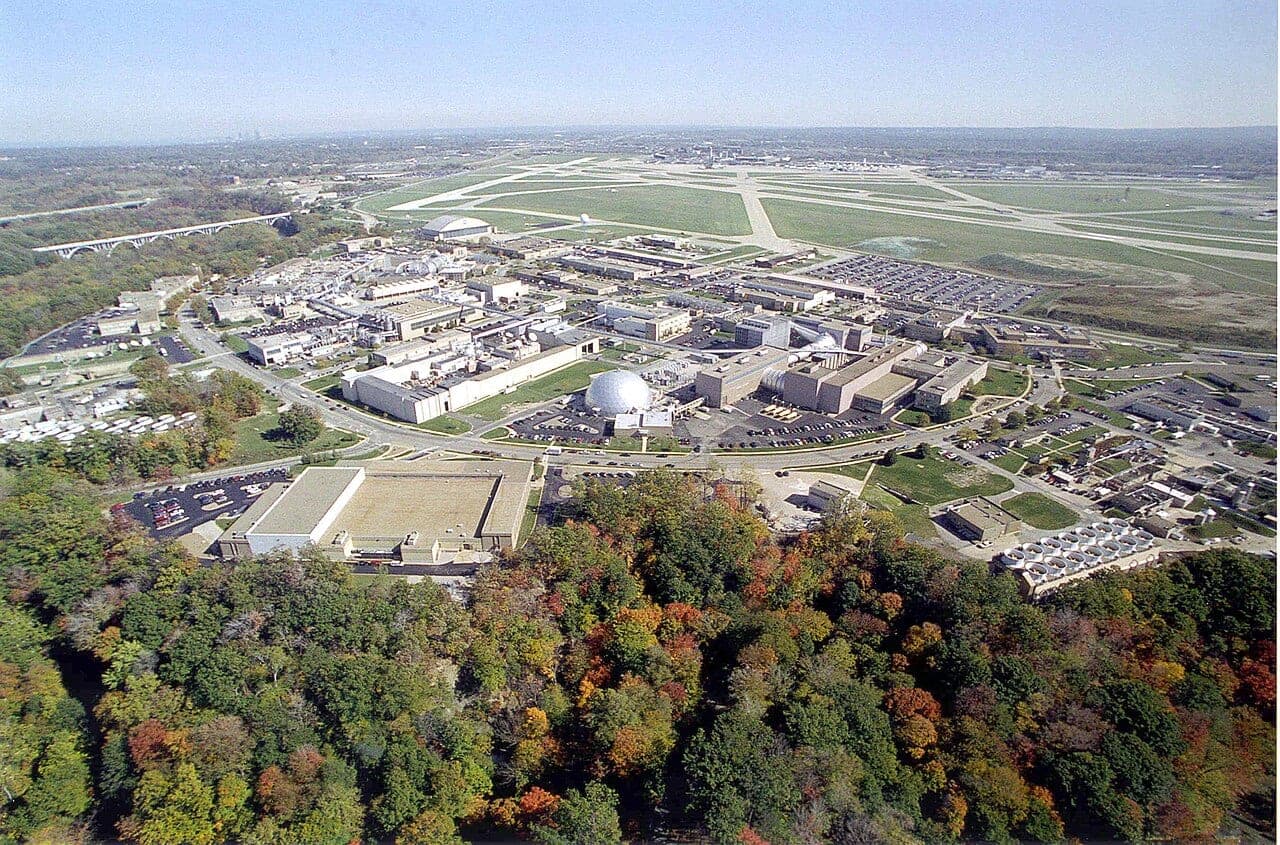
Submissions are divided by age into K-4, 5-8 and 9-12 groups for judging. NASA said the strongest entry in each group earns its creator a visit, with one guest, to NASA's Glenn Research Center in Cleveland. All participants get a digital certificate and can join a virtual gathering hosted by agency specialists.
Why nuclear power matters on the Moon
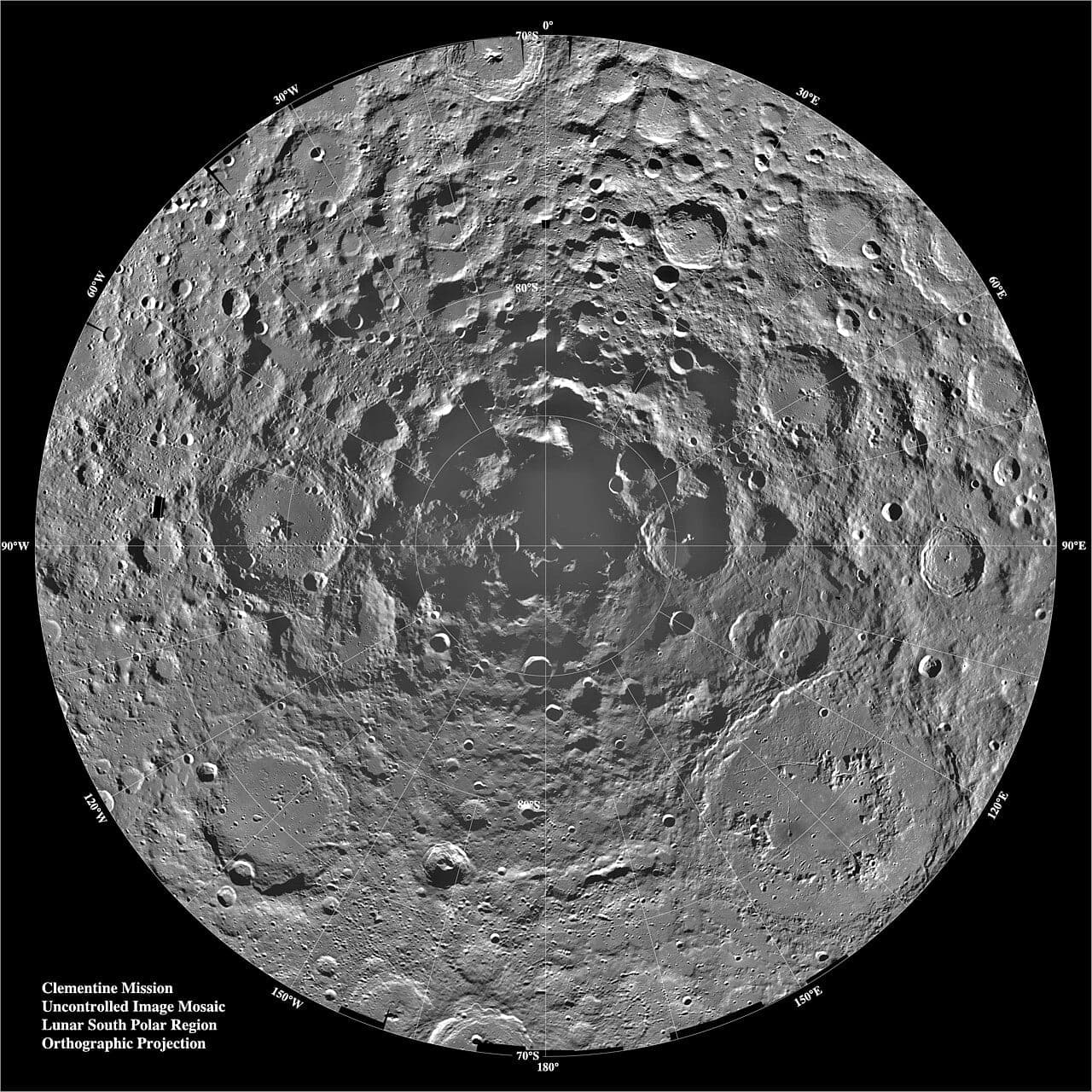
NASA noted that the Moon's most scientifically appealing sites often have the toughest conditions, including bitter cold, extended darkness and deep craters the Sun never reaches. Carl Sandifer, a program manager in NASA's Space Reactors Division at headquarters in Washington, said nuclear energy could open up the South Pole region's areas of permanent shadow to exploration, haul heavy scientific equipment over great distances and protect instruments from the cold while the Moon is dark.
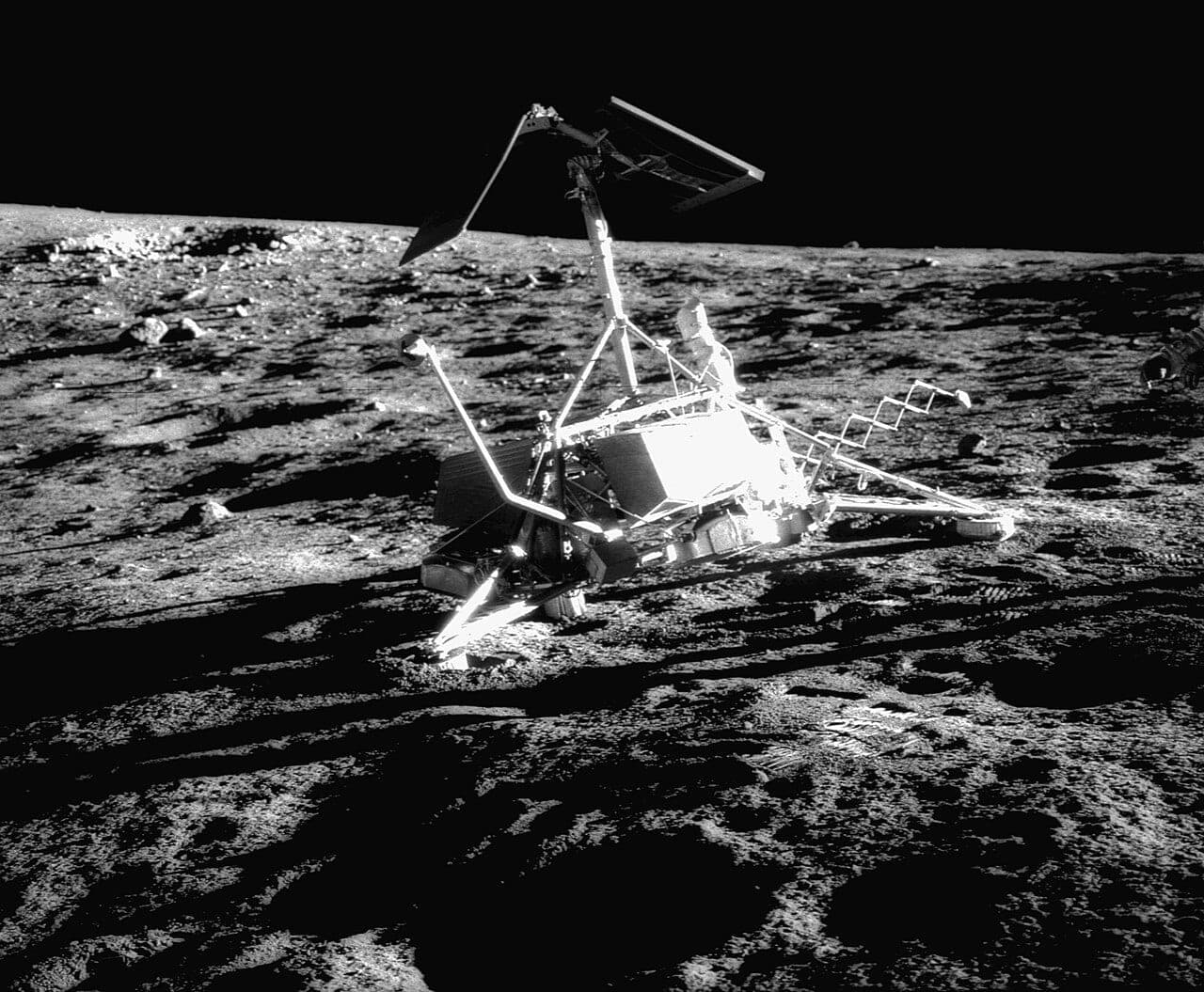
On its radioisotope power systems page, NASA explains that the technology turns heat released as plutonium-238 decays naturally into electricity for spacecraft. The page credits it with powering twenty-four successful NASA missions, five of which remain in operation: Voyager 1, Voyager 2, New Horizons, Curiosity and Perseverance.
Volunteer judges and funding
NASA and Future Engineers expect thousands of submissions nationwide and want volunteer judges to evaluate them. Anyone living in the US and over 18 with about three hours to give can sign up through the Future Engineers website.
Money for the challenge comes from NASA's Science Mission Directorate, the agency said. The contest is housed in the Radioisotope Power Systems Program, which sits within the Research and Technology Mission Directorate, and Future Engineers runs it on contract to the NASA Center of Excellence for Collaborative Innovation. NASA picked three winners from a field of nine finalists in the 2024-2025 contest, which it called the fourth annual Power to Explore Challenge.
Sources
- NASA Science (Public domain (US government work))
- NASA (Public domain (US government work))
- NASA Science (Public domain (US government work))
- NASA Science (Public domain (US government work))
- NASA Science (Public domain (US government work))
- NASA (Public domain (US government work))
- NASA (Public domain (US government work))