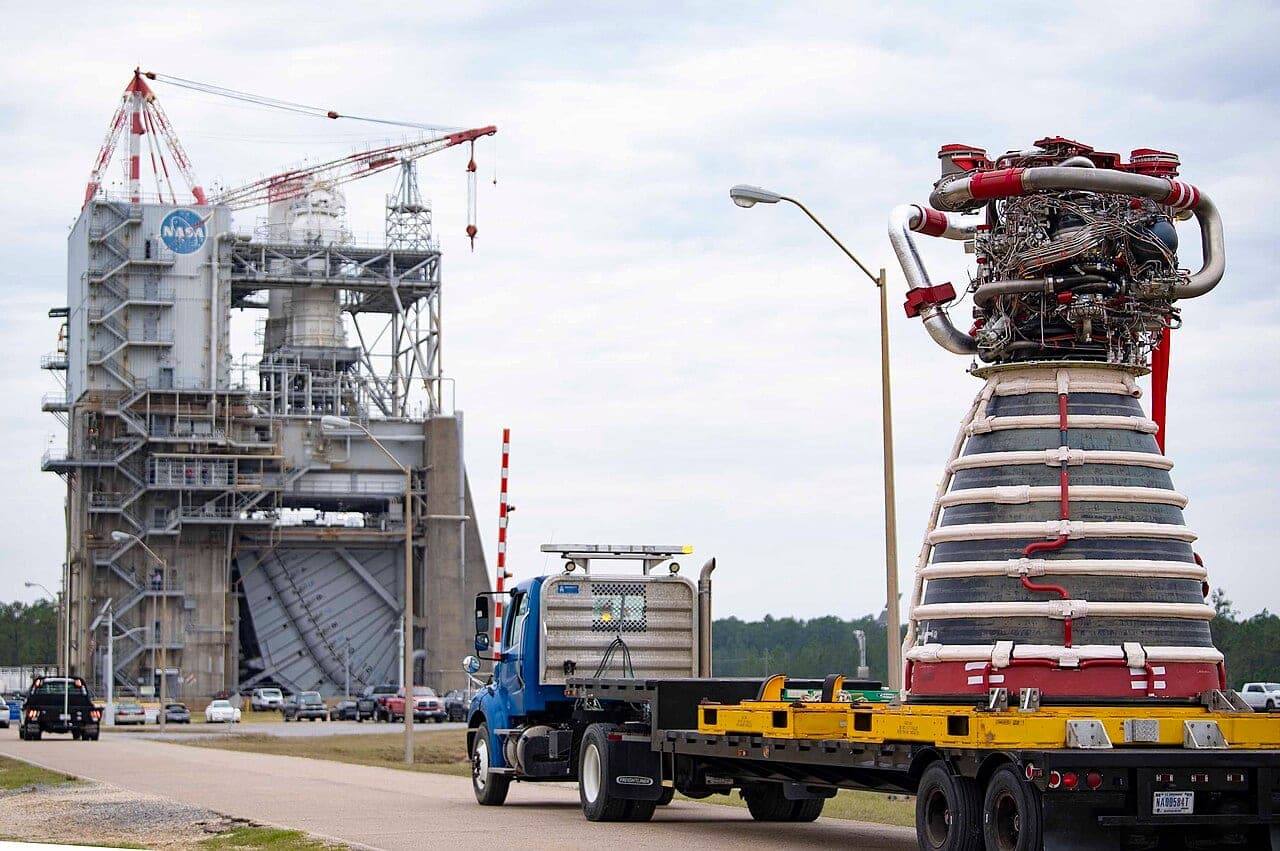
NASA has no plans to fly RS-25 engine No. 10001. Even so, the engine completed a full-length hot fire on November 18 at the agency's Stennis Space Center near Bay St. Louis, Mississippi. According to NASA, test teams kept it burning on the Fred Haise Test Stand for 200 seconds, the length of run they had scheduled.
Why test an engine that will not fly
NASA said every RS-25 must be run at Stennis and shown to be flightworthy before it is put to use. No. 10001 is not one of those flight engines. The agency describes it as a developmental unit, and said the hot fire lets NASA and its prime contractor, L3Harris Technologies, capture critical data that can make the RS-25 perform better and more dependably on later Artemis flights. ScienceDaily, in its account of the test, said engineers will apply the results to the engine's power, efficiency and reliability. Crews from NASA, L3Harris and Nova Space Solutions jointly operate these tests, according to NASA.
Four engines on every launch
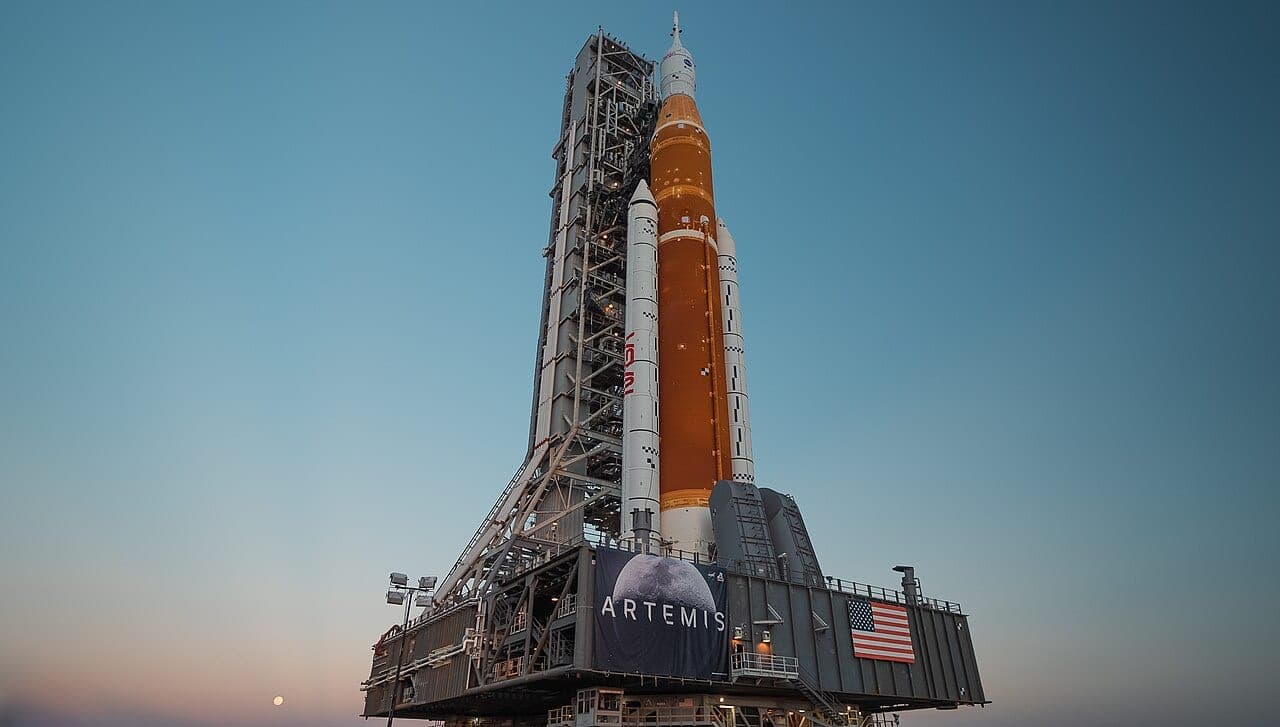
According to NASA, each Artemis mission uses four RS-25s. Working together, the group provides as much as 2 million pounds of thrust to help get the Space Launch System (SLS) rocket off the ground.
The wider Artemis plan
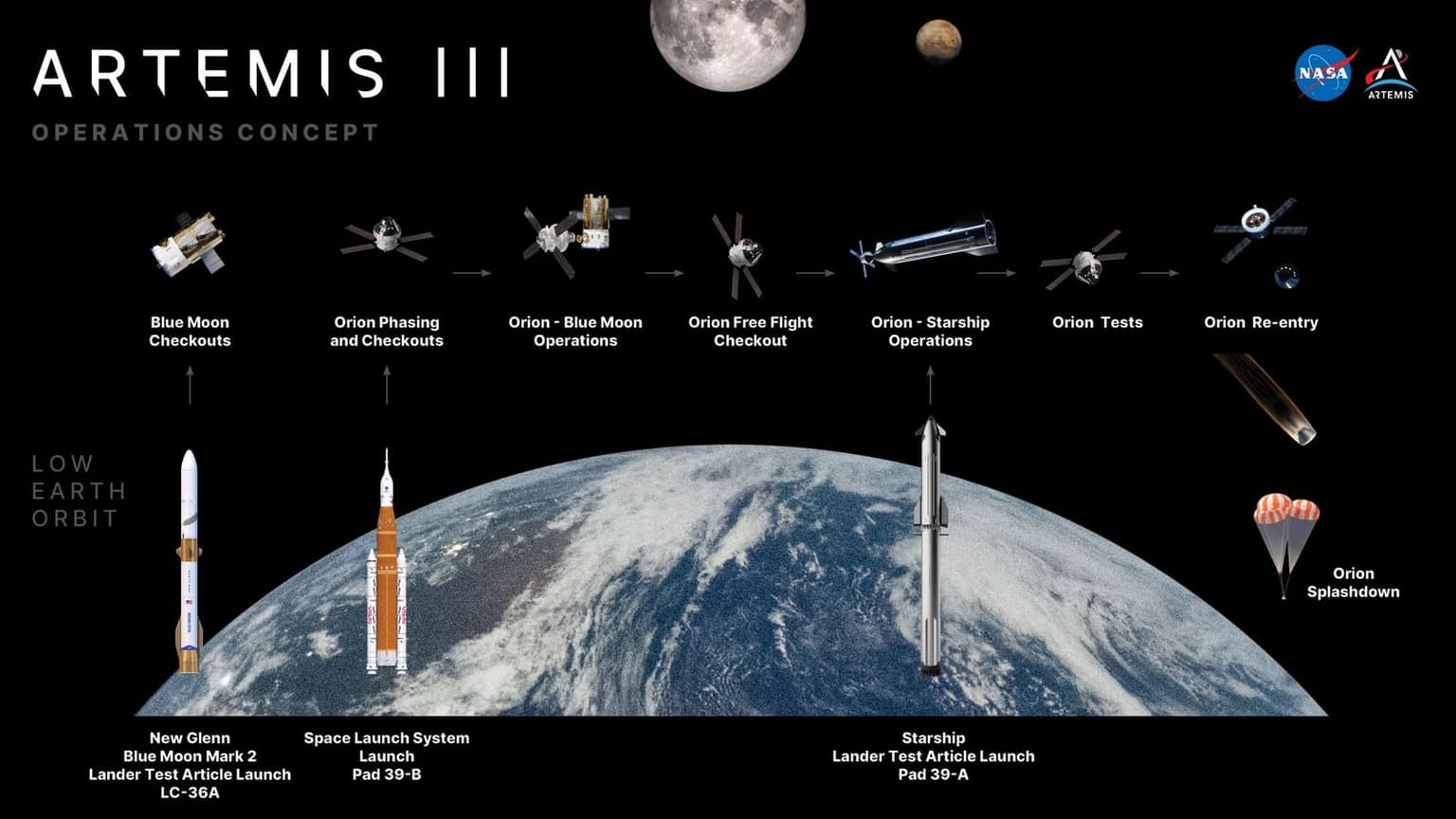
NASA has scheduled Artemis IV, a crewed Moon landing, for 2028. On that flight, the agency intends for SLS to lift astronauts riding in the Orion spacecraft away from Kennedy Space Center in Florida. NASA presents the mission as an important milestone in a longer agenda: exploring the region around the lunar South Pole, keeping people on the Moon's surface over the long term, and building toward the first Mars expedition with a crew on board.
Sources
- ScienceDaily
- NASA (Public domain (US government work))