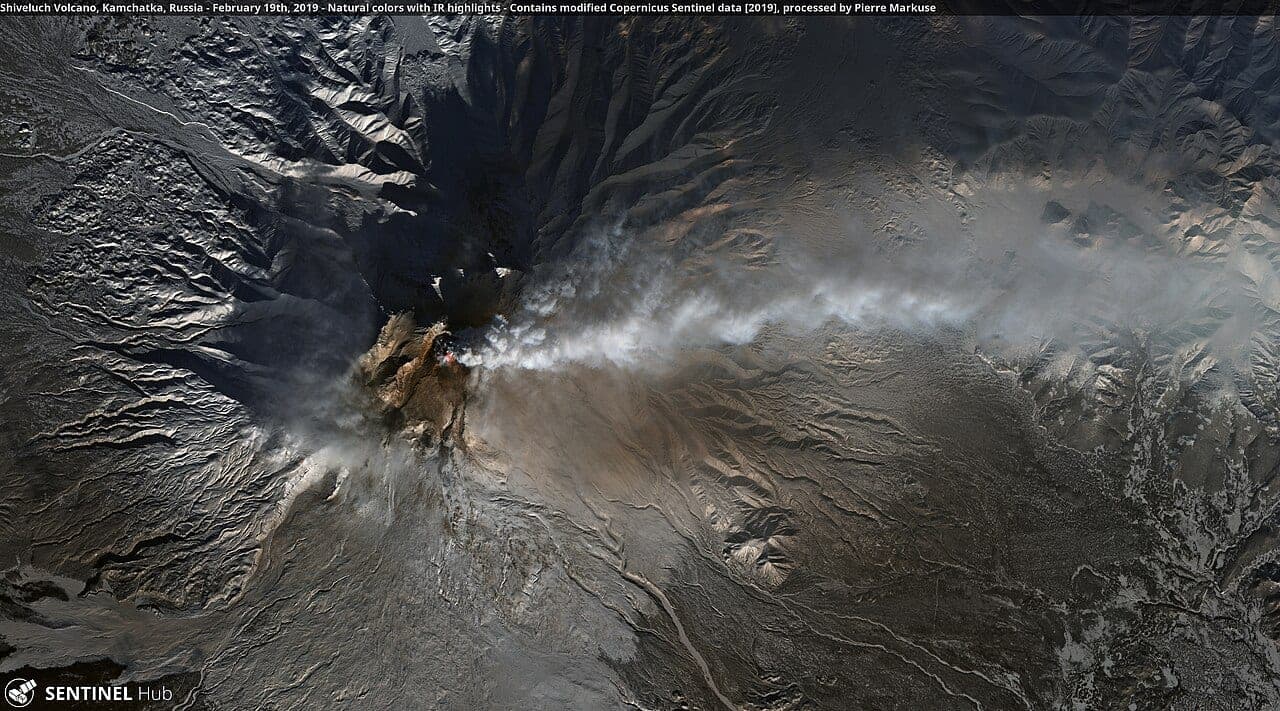
Russia's Shivelyuch volcano has been erupting for months. On November 8, 2026, a NASA satellite caught only its summit as a band of cloud wrapped around its flanks. The Operational Land Imager (OLI) aboard Landsat 9 recorded the scene. NASA's Earth Observatory released the image, which was built from U.S. Geological Survey data.
Months of unrest
By November 2026, Shivelyuch had spent months both pouring out lava and producing explosive bursts, based on reports from the Kamchatka Volcanic Eruption Response Team (KVERT). The volcano is also known as Shiveluch. The mountain on the Kamchatka Peninsula is often hidden by weather, but NASA said satellites still pick up heat signatures from it on a regular basis.
In NASA's assessment, activity on the day the image was taken was modest by the volcano's standards. KVERT said a plume of ash that had been lifted back into the air stretched 120 kilometers (75 miles) eastward.
Risk to flights
Stronger blasts are a bigger concern. NASA says Shivelyuch at times hurls ash to heights of several kilometers. From that altitude the ash can be carried far enough to endanger aircraft. The agency cited news reports that in July 2026 one such plume was swept by the jet stream across the Bering Sea and into airspace over Alaska, and a number of flights were called off as a result.
Inside the caldera
In the new picture, the clouds stay below the 3,283-meter (10,771-foot) summit, so the caldera and the northern part of the upper slopes are visible. The caldera measures 9 kilometers (5.6 miles) across and opens toward the south. A dark patch within it marks a lava dome, which NASA explained is built up as vents squeeze out thick, viscous magma. Domes at Shivelyuch repeatedly grow and then collapse. Some of those collapses unleash pyroclastic flows, which are rapid avalanches of hot rock and ash.
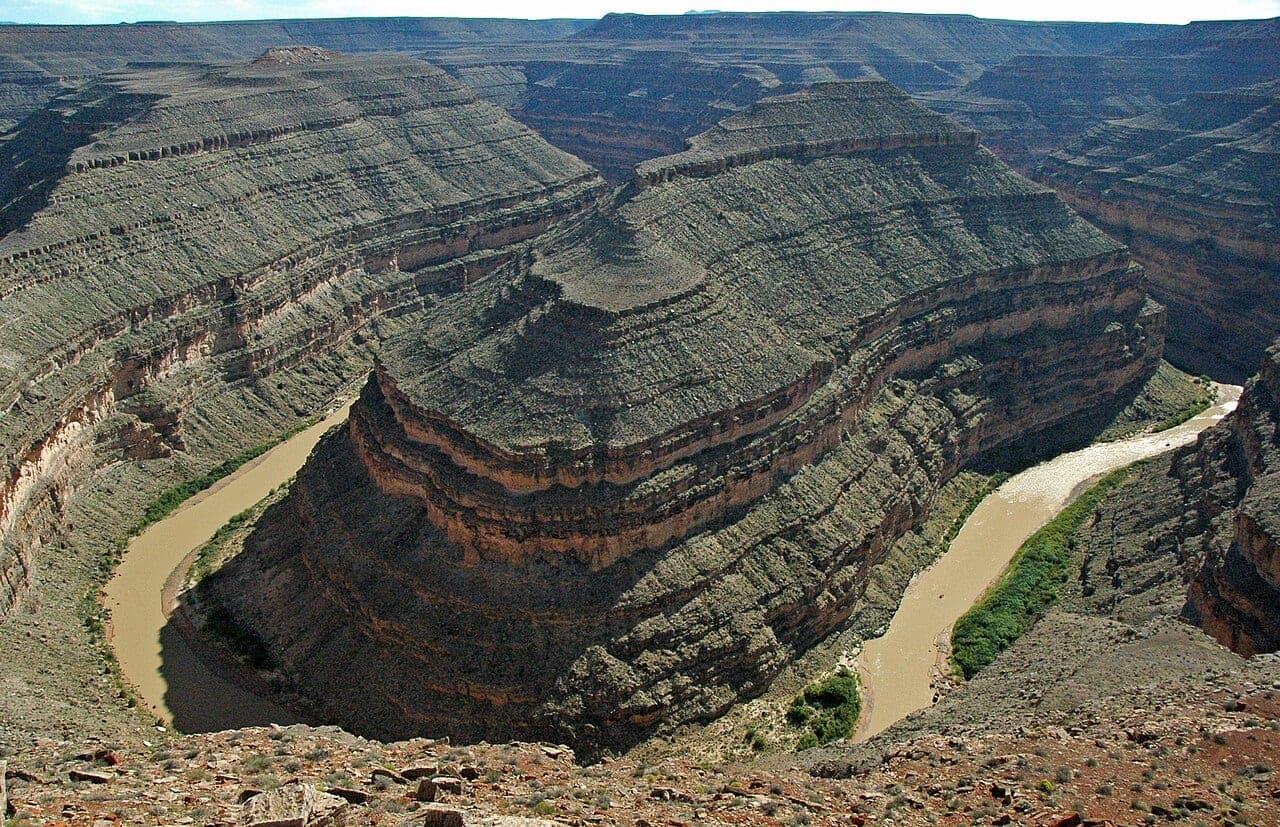
The U.S. National Park Service explains that calderas are created when an eruption partly drains the magma chamber below and the ground on top sinks downward into it. The agency says they are usually more than 1 kilometer (0.6 miles) wide and far broader than the vents found inside them.
Sources
- NASA Science (Public domain (US government work))
- www.nps.gov