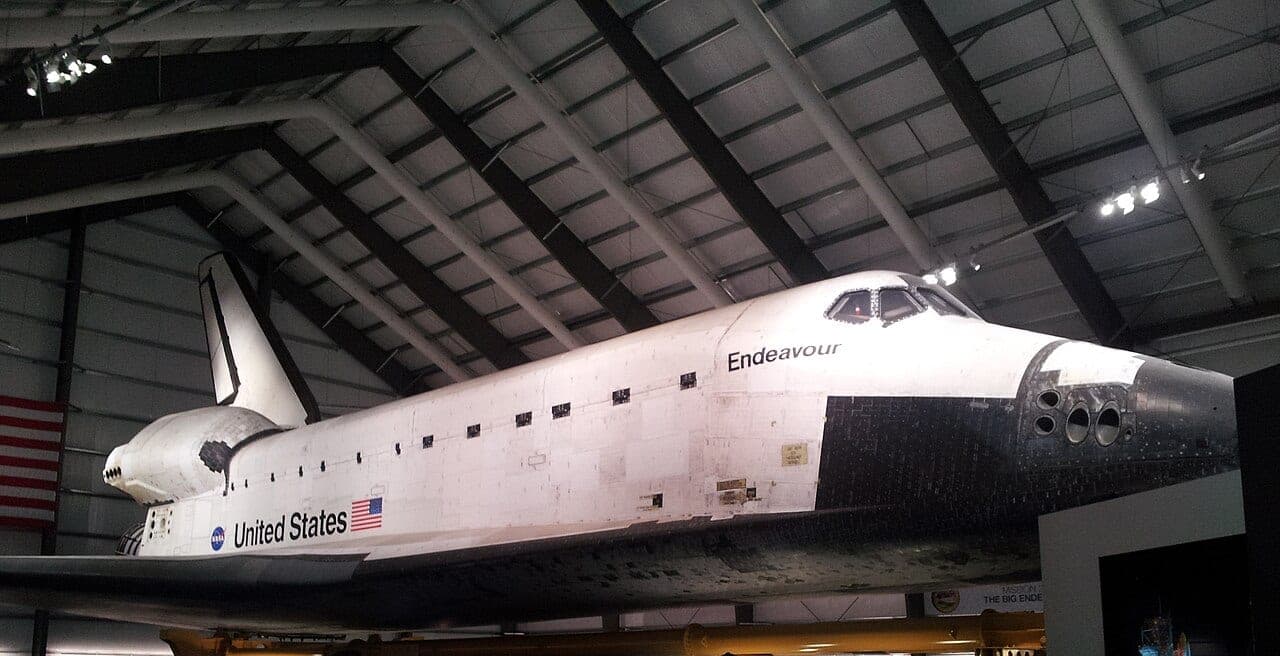
Members of the imaging team at NASA's Armstrong Flight Research Center have looked back on recording space shuttle Endeavour's last journey as a new exhibit for the orbiter opens. According to NASA, millions of people watched on Sept. 21, 2012, as Endeavour made its final trip riding atop the 747 Shuttle Carrier Aircraft.
Endeavour's new display
NASA said the California Science Center in Los Angeles will welcome visitors back to Endeavour over the weekend of Nov. 13, with the shuttle standing vertically as if ready for launch. It will be housed permanently in the new Samuel Oschin Air and Space Center in Downtown Los Angeles, where some pictures from the final flight will also be shown. Across its career the orbiter flew 25 missions, the agency noted, and it carried the station's earliest pieces into orbit, helping get construction of the International Space Station under way.
Plotting the route
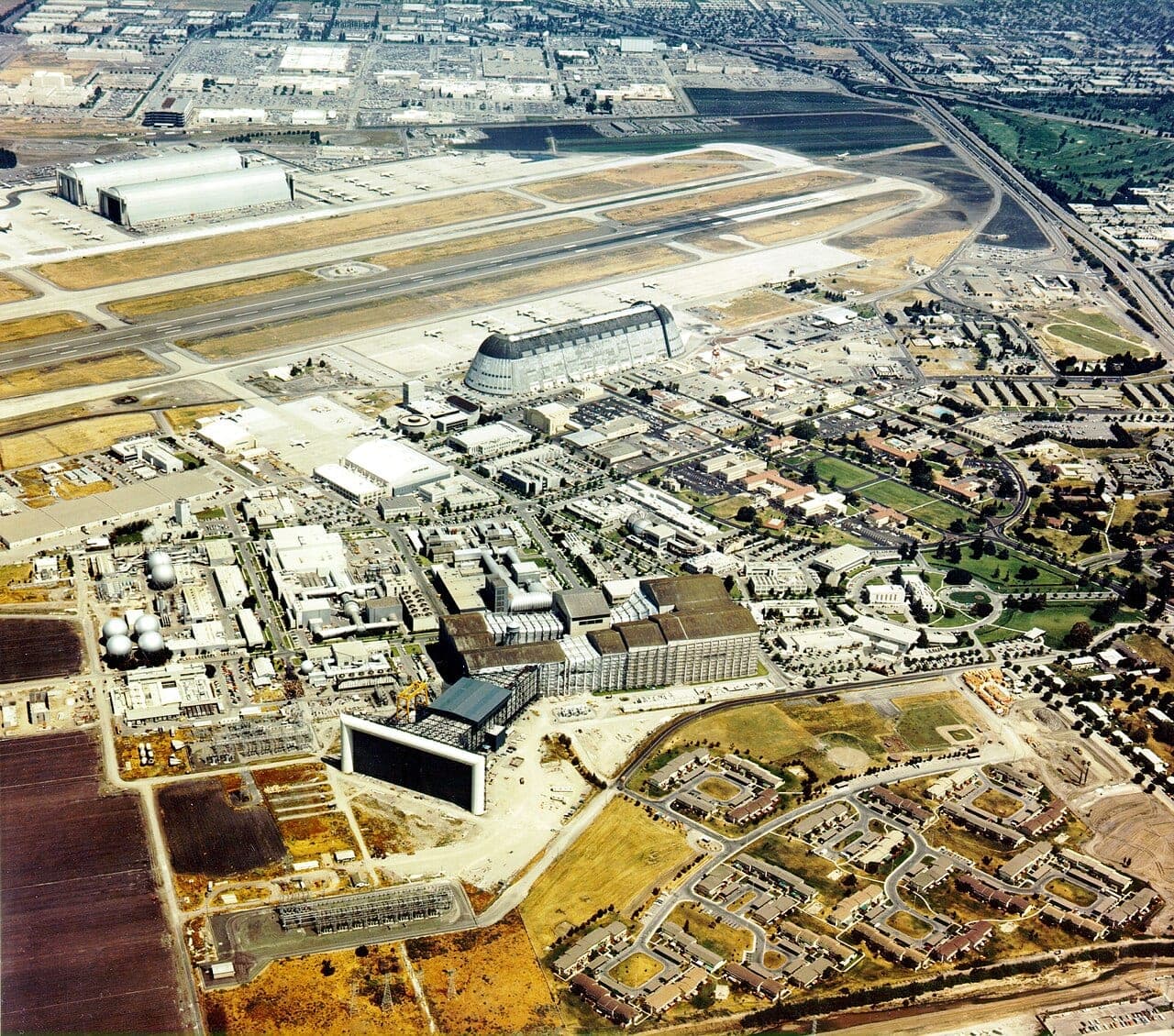
A three-person crew from NASA Armstrong, made up of a pair of photographers plus a videographer, took a leading part in preparing the Los Angeles flight and in selecting where else in California the aircraft would go, according to the agency. Pilots mapped a course over famous sites while the imaging staff worked out how to photograph them. Sights along the way included the Santa Monica Pier, Pasadena's Jet Propulsion Laboratory, the Golden Gate Bridge, Silicon Valley's Ames Research Center, the Los Angeles Memorial Coliseum, Dodger Stadium and the Getty Center.
NASA said the effort required extensive advance coordination with the California Science Center and with bodies such as the Federal Aviation Administration, Los Angeles International Airport and Johnson Space Center in Houston. Photographer Carla Thomas said she covered the full course in a Los Angeles Police Department helicopter to check for obstacles. She described the Hollywood sign as a tricky subject, since it sits on a hillside near antennas and power lines, but said those problems were solved during planning.
In the air and on the ground
Endeavour's escort consisted of NASA Armstrong F/A-18s and an F-15, with the photo and video crews riding in the back seats, NASA said. Lori Losey, the center's lead videographer, who has spent 37 years at NASA, said she pushed for two chase planes over the Los Angeles area so that one could handle stills and the other video. She recalled the jets trading heights and switching places as they moved from one landmark to the next.
Jim Ross, Armstrong's lead photographer, said the highlight was seeing the enthusiasm of spectators below, pointing to large numbers of supporters at Griffith Park and Disneyland. Thomas, who joined NASA after the Challenger tragedy, said a standing-room-only crowd beneath the state capitol in Sacramento made her proud.
Sources
- NASA (Public domain (US government work))