Advertisement
Advertisement

Science

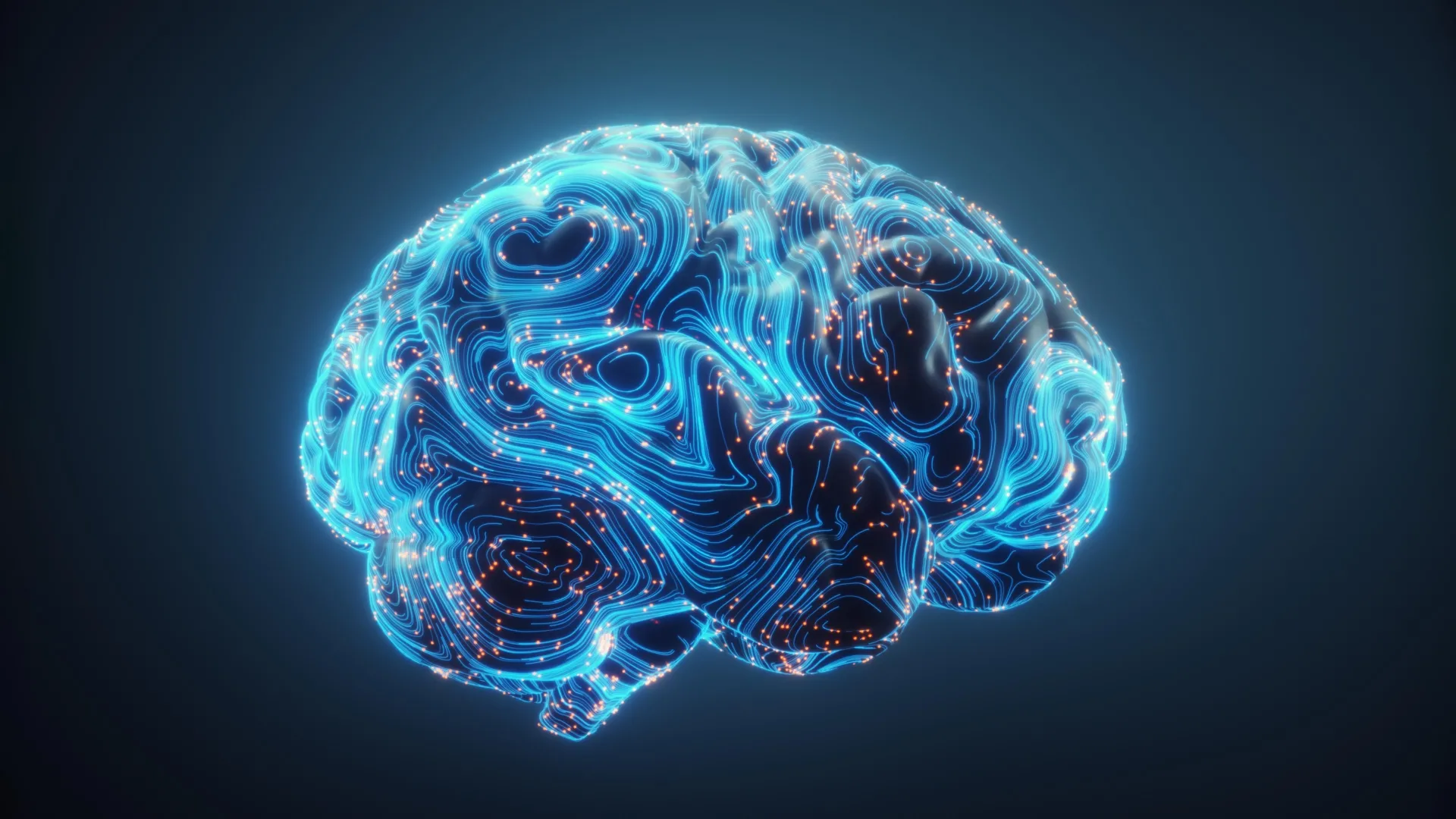
Magic mushrooms rewire the brain in a way scientists didn't expect

A surprising discovery reveals how psilocybin, the active compound in magic mushrooms, rapidly reshapes the brain by creating new neural connections and strengthening them. Researchers found that the drug behaves differently in healthy and chronically stressed mice, potentially helping repair brain circuits damaged by prolonged stress. Most intriguingly, they identified a way to trigger this brain rewiring without the behavioral response associated with psychedelic effects.

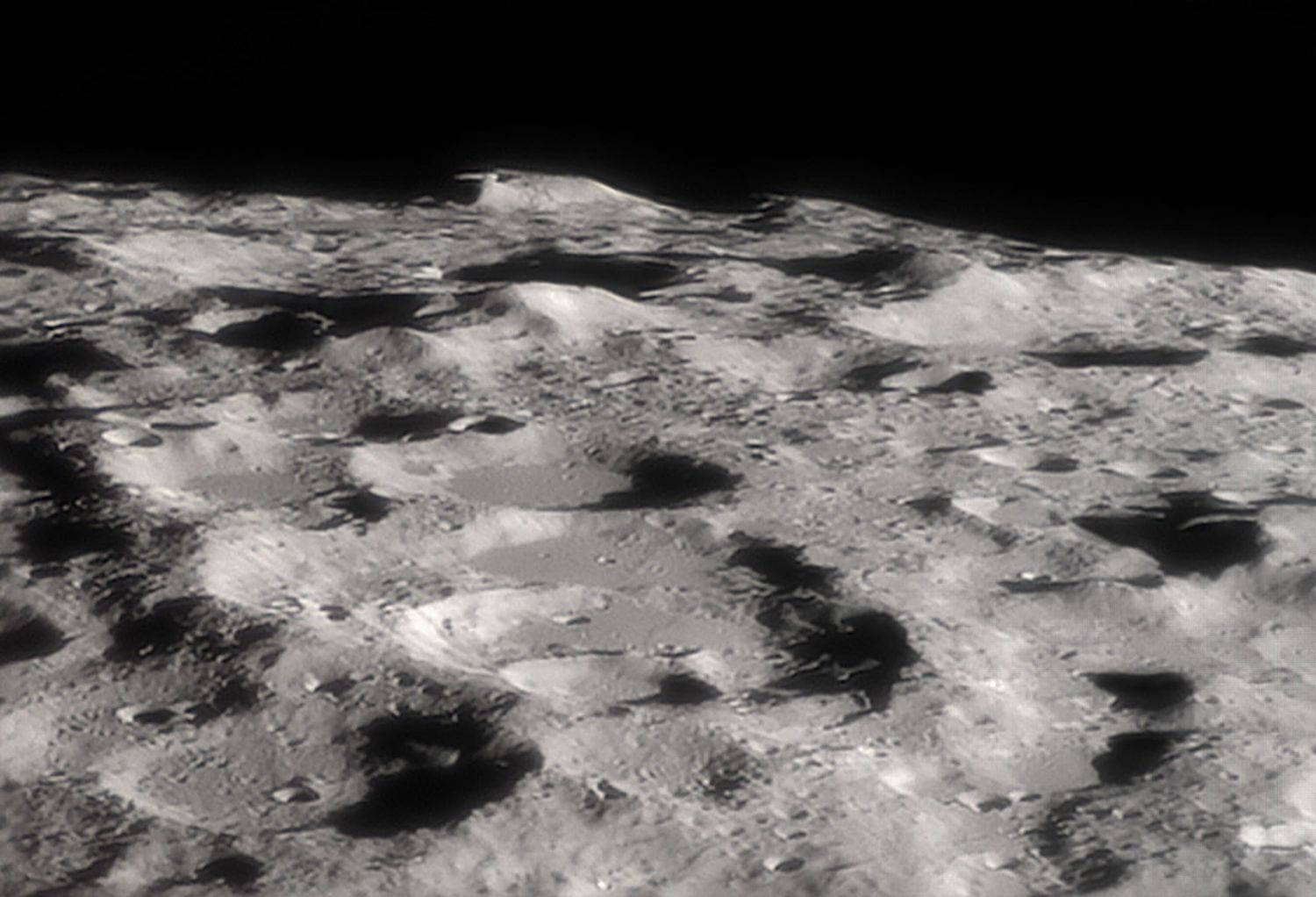
APOD: 2026 November 7 – De Gerlache-Kocher Massif

APOD Science APOD APOD: 2026 November 7 –… Today’s APOD Archive Submissions Index Search Calendar RSS Education About Discuss APOD Astronomy Picture of the Day Discover the cosmos! Each day a different image or photograph of our fascinating universe is featured, along with a brief explanation written by a professional astronomer. De Gerlache-Kocher Massif […]

Prioritize the efficient architecture that transforms our buildings

The Eleven Building in Madrid and the Perpetuo Socorro Health Centre in Huesca have been distinguished with the highest awards of the XII Awards 3 Diamonds of Mitsubishi Electric for their solutions of energy efficiency, technological innovation and sustainability in air conditioning.

Supercomputing Tech Demo Schedule

Supercomputing 2026 Join NASA in the Exhibit Hall (Booth #4038) for presentations by NASA experts. Full Tech Demo schedule below. TUESDAY, NOVEMBER 17 10:00 AMType-safe Templates in Fortran 2028Tom Clune10:30 AMType-safe Templates in Fortran 2028Tom Clune11:00 AM Type-safe Templates in Fortran 2028Tom Clune1:00PM Mixing and Matching and Multiple Versions, Oh My!Brad Richardson1:30 PMMixing and Matching and Multiple […]

Advertisement

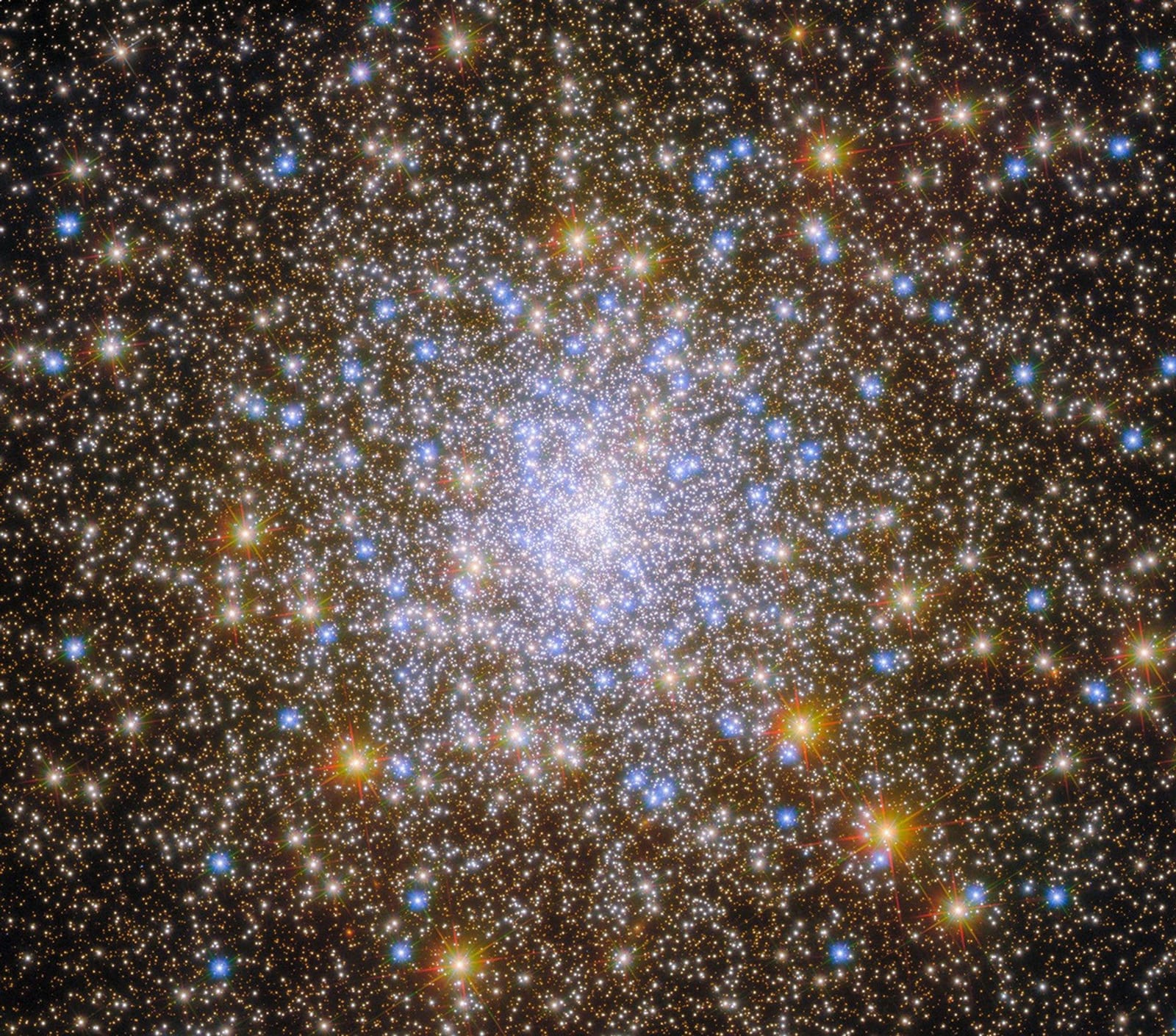
M30’s Sparkling Stars

This NASA/ESA Hubble Space Telescope image released Nov. 5, 2026, provides a lesson in galactic history. The sparkling collection of stars is named Messier 30 (M30) after the French astronomer, Charles Messier, who cataloged M30 and other diffuse objects that might be mistaken for comets in the early telescopes of Messier’s time. M30 lies about […]

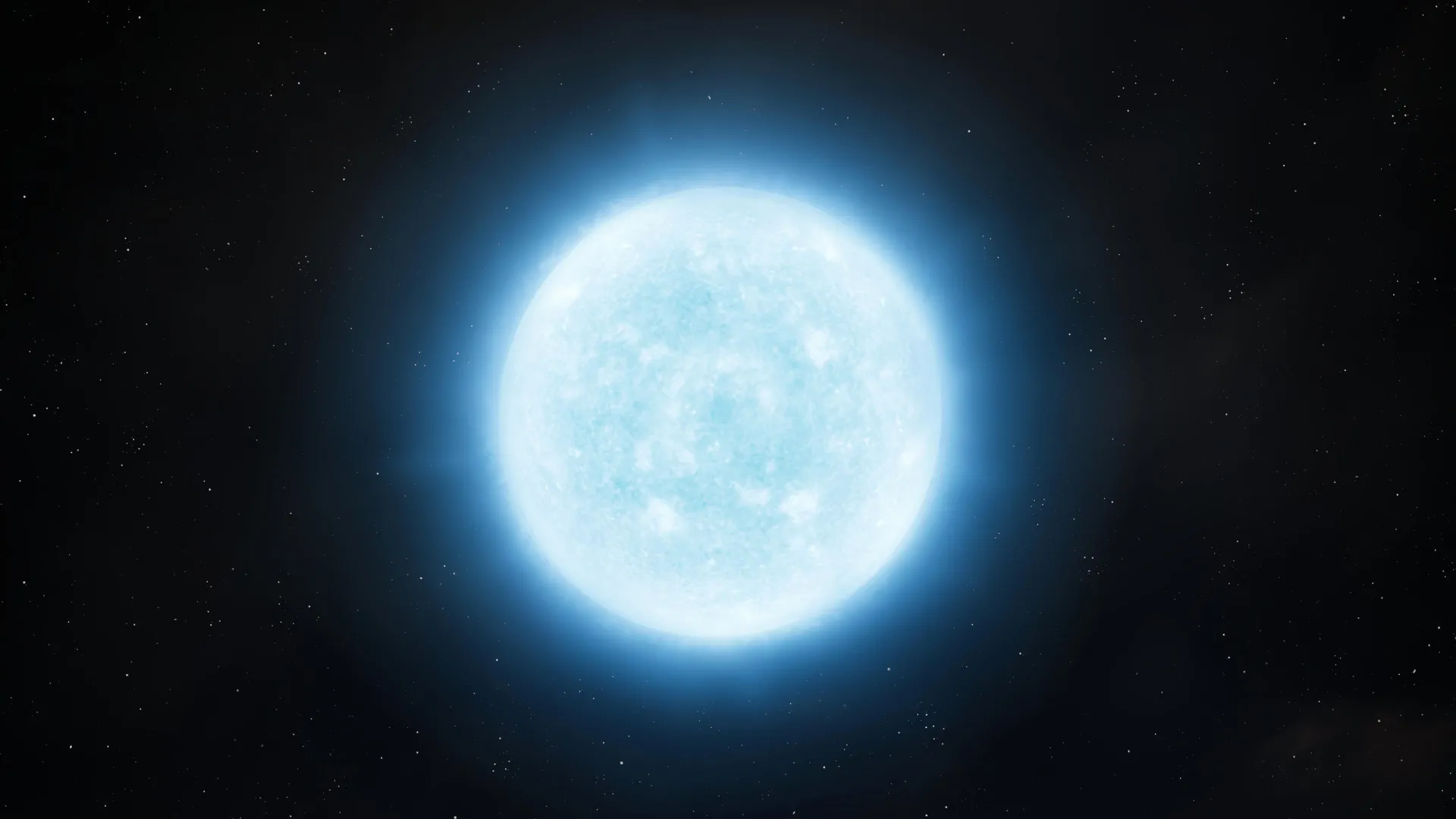
Dead stars could break one of physics' most famous limits

A surprising new discovery suggests that some dead stars can grow far more massive than scientists once thought possible. Computer simulations show that powerful magnetic fields could allow white dwarfs to reach 2.4 times the mass of the Sun, dramatically exceeding a famous limit that has stood for decades. The findings could help explain unusually bright supernova explosions that have long puzzled astronomers.

Advertisement

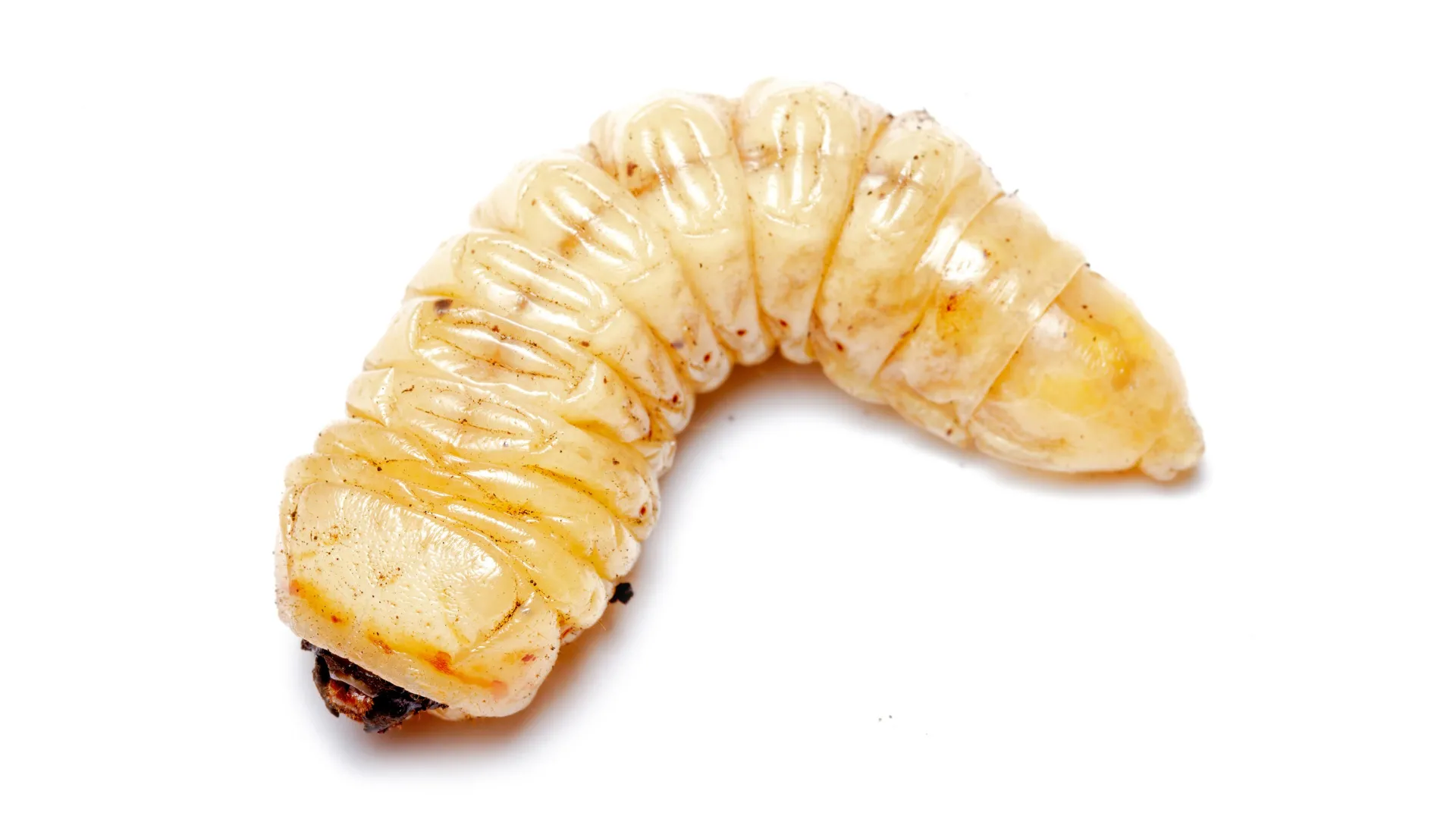
Five-inch-long beetle larvae are quietly destroying blueberry roots

Scientists have solved a mystery surrounding destructive beetles attacking blueberry bushes in North Carolina, identifying a species whose massive larvae can grow up to five inches long and destroy plant roots. Although farmers have reported damage for more than a decade, the insects responsible remained unidentified until researchers used DNA analysis to uncover the culprit.

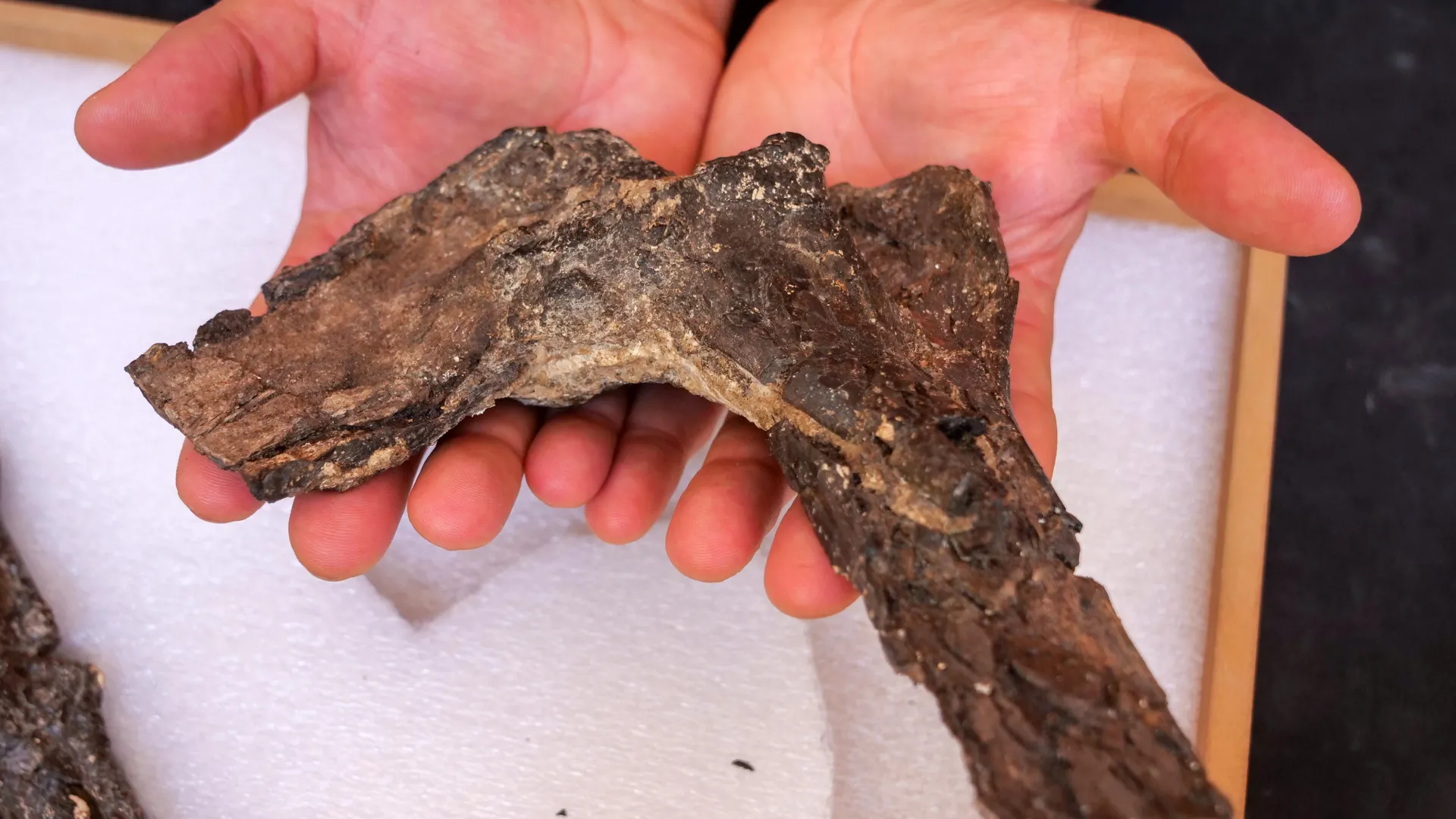
Scientists just found dinosaur blood that survived 115 million years

Scientists have discovered chemically confirmed traces of ancient blood inside 115-million-year-old dinosaur bones, challenging assumptions about how long biological molecules can survive. The extraordinary preservation could unlock new clues about dinosaur physiology and even help scientists search for ancient life elsewhere in the universe.

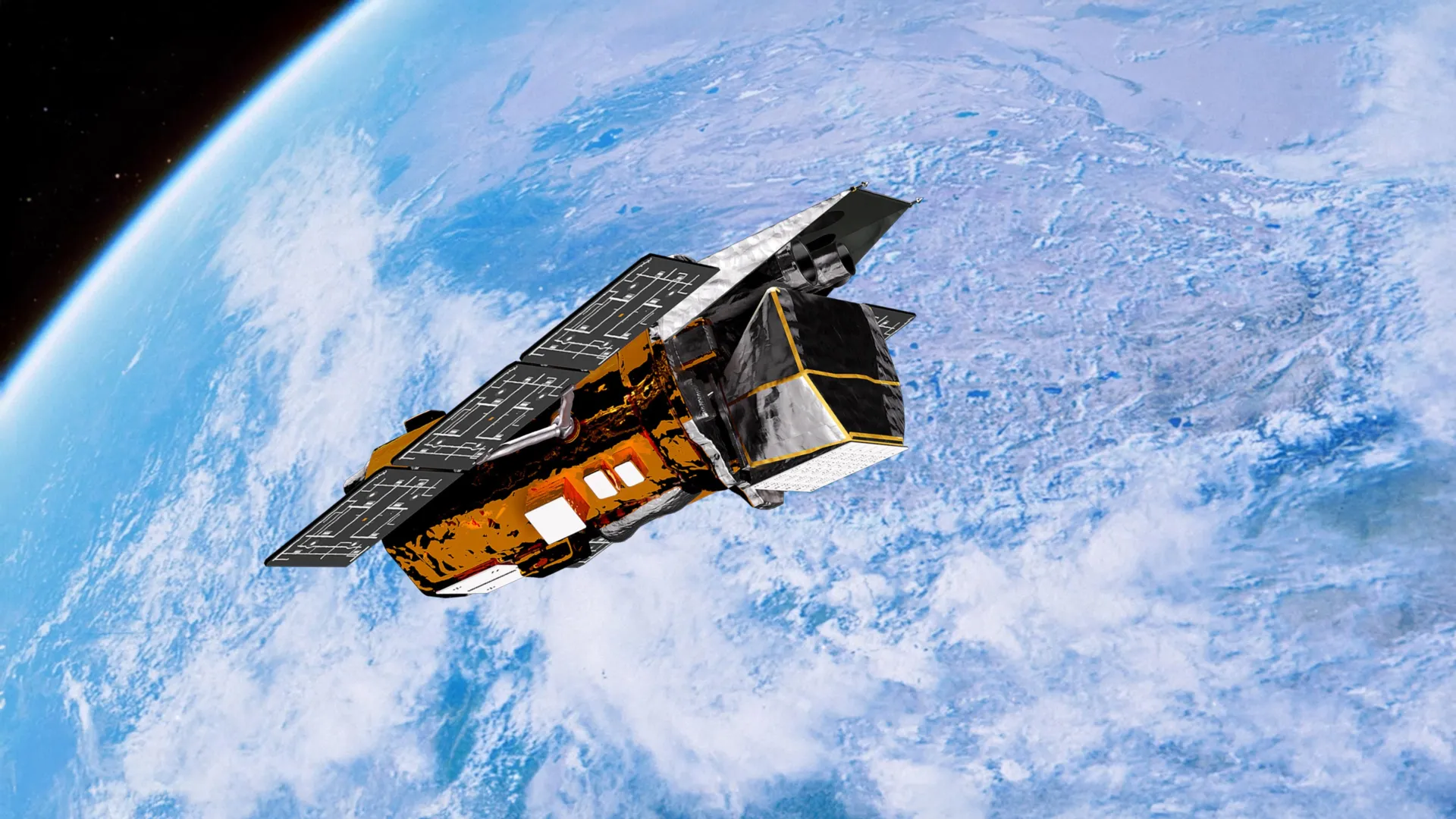
NASA’s Swift telescope falls to Earth after nearly 22 years in space

After nearly 22 years of exploring the universe’s most violent explosions, NASA’s Swift Observatory has re-entered Earth’s atmosphere over Indonesia. Originally designed to last just two years, the pioneering space telescope transformed our understanding of black holes, exploding stars, and mysterious cosmic outbursts.