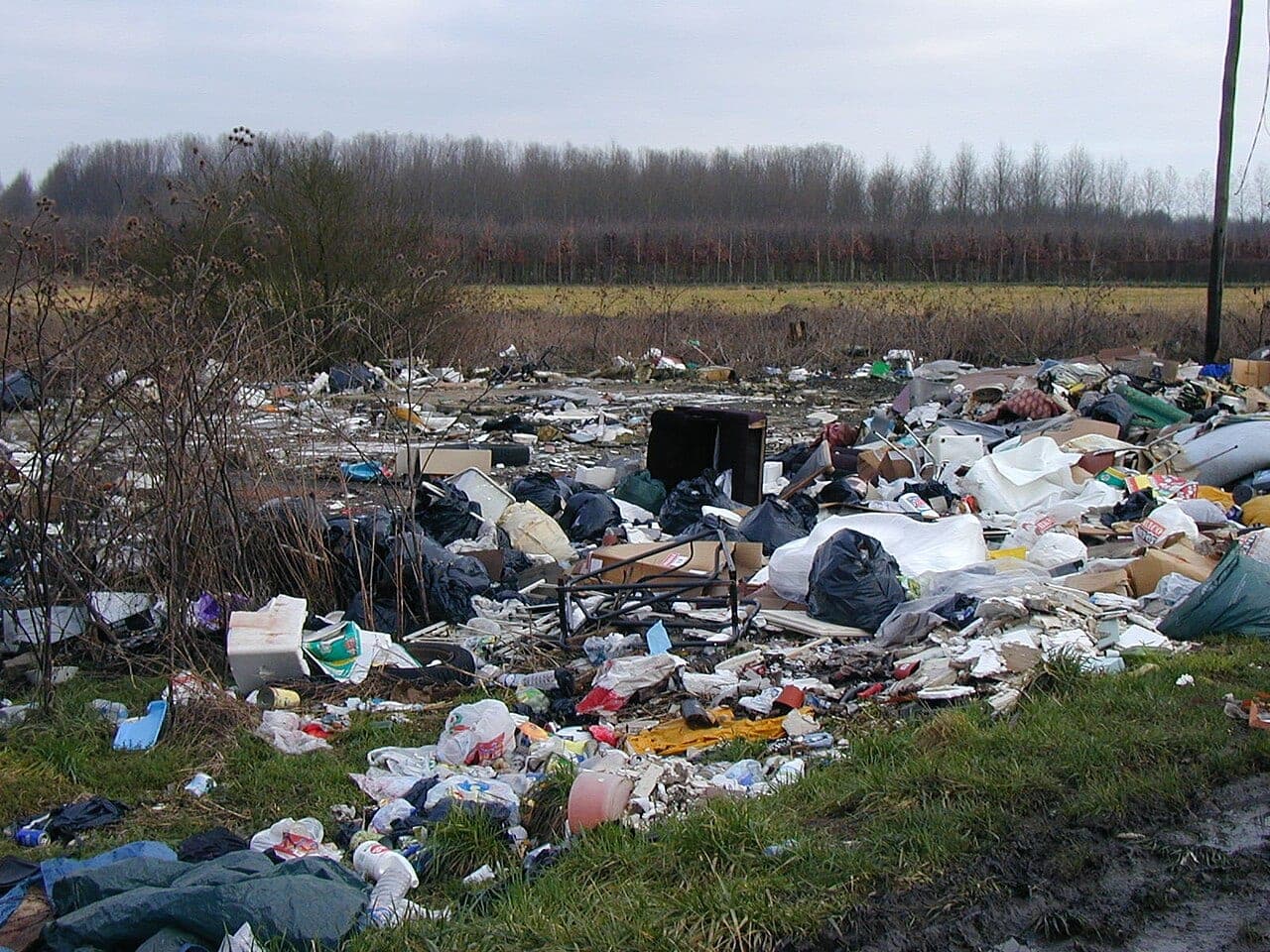
The Montenegrin organisation EkoGard has developed EkoMapa with a grant from the Digital Spark programme. The tool began by locating illegal dumps and today compares environmental problems with the services available, settlement by settlement. Its founder and chief executive, Senad Pepić, described it in an interview with Global Voices.
What EkoMapa measures
According to Pepić, the team moved from pinpointing dumping sites to studying each locality separately. That allowed it to relate what it found on the ground to the services residents have access to. A model was added to the tool that uses the data gathered to estimate environmental risks and gaps in local services. The director says the model helps to detect patterns, compare needs between settlements and discuss the results with institutions.
A container that never arrived
Pepić traced the origin of the project to a clean-up beside a rural road. Residents of that area had no proper place to dispose of their rubbish, and the nearest authorised site was about six kilometres away. After removing the waste, EkoGard requested a container and was promised one would be installed. Three years later the container still had not appeared and rubbish had piled up again in the same spot.
That episode changed the way the group viewed similar cases, Pepić explained. They had photographs, posts and letters from other areas, but no way to gauge the real scale of the problem or to link it to failures in the collection service. That is why they decided to map those places. The organisation grew out of the Očistimo Rožaje initiative, to which it devoted six years to build an engaged community. It started with dumps and gradually added other environmental and social causes.
First effects and next steps
Pepić maintains that activists now have a practical means of recording their findings and backing public campaigns. He added that groups in other cities and countries have shown interest in the tool. He also noted that the local waste management company acknowledged the data could be useful to it. Even so, he qualified that for now the most visible change is in the way activists work and in the dialogue with organisations and institutions. The effects on the ground, he warned, will take longer.
EkoGard plans to present its findings to the local government to call for better collection planning. With other organisations in the country it is also preparing a campaign for a National Ecological Hotline. It would be a nationwide channel for reporting environmental problems and tracking the authorities' response.
The national context
Montenegro, in the midst of its process of joining the European Union, has for now set 2028 as its target for completing it. The UNECE (United Nations Economic Commission for Europe) acknowledged in a study published in 2025 that the country has made notable progress in aligning its environmental rules with EU directives. That same document, however, puts recycling below 2%, far from the 50% set by the EU. Thomas Waitz, an Austrian Greens/EFA member of the European Parliament who heads the delegation to the EU-Montenegro Stabilisation and Association Parliamentary Committee, told The New Union Post that more than a hundred illegal dumps were closed in the past year, although another 500 remain.
Sources
- Global Voices en Español (CC BY 3.0)