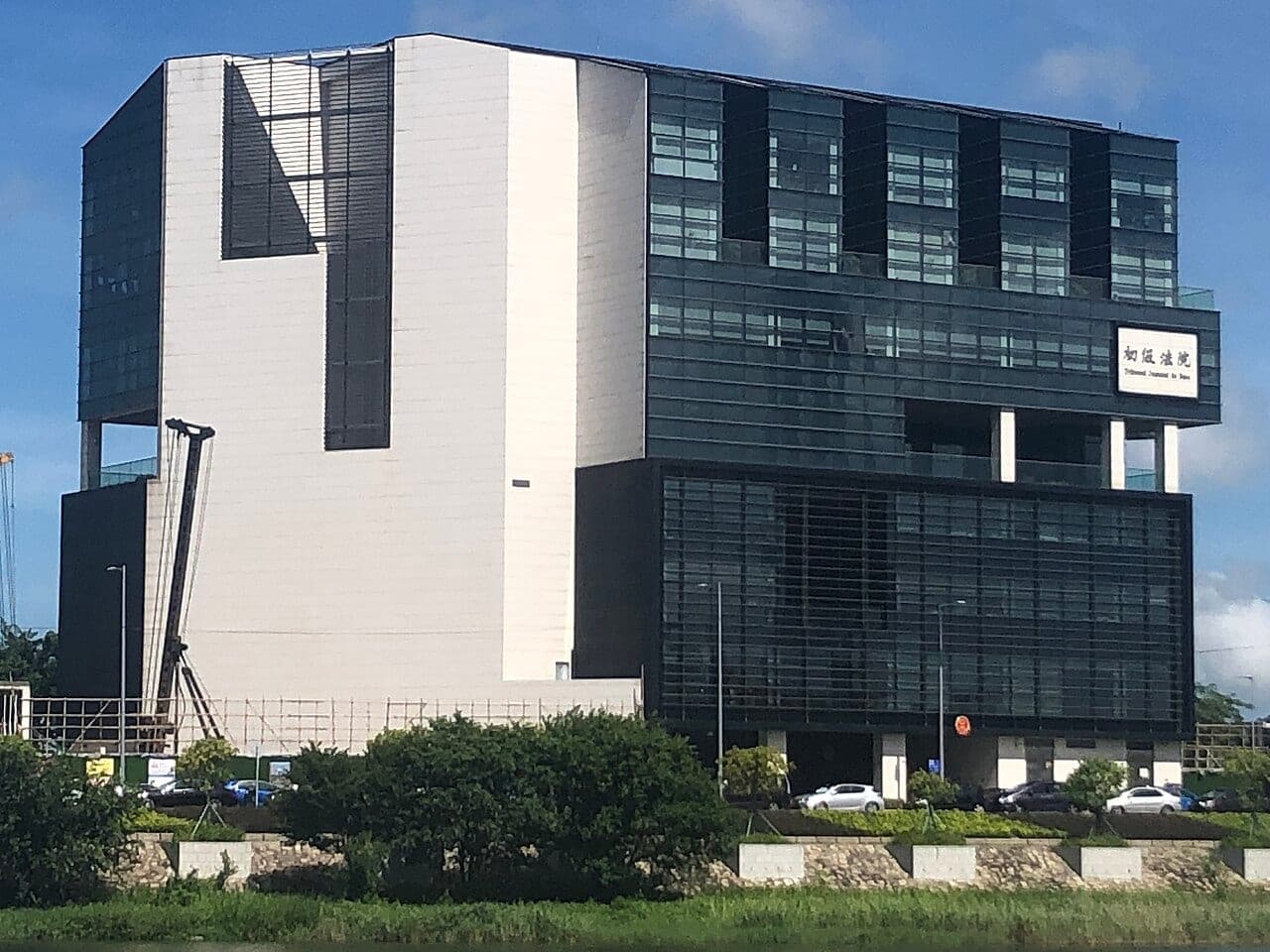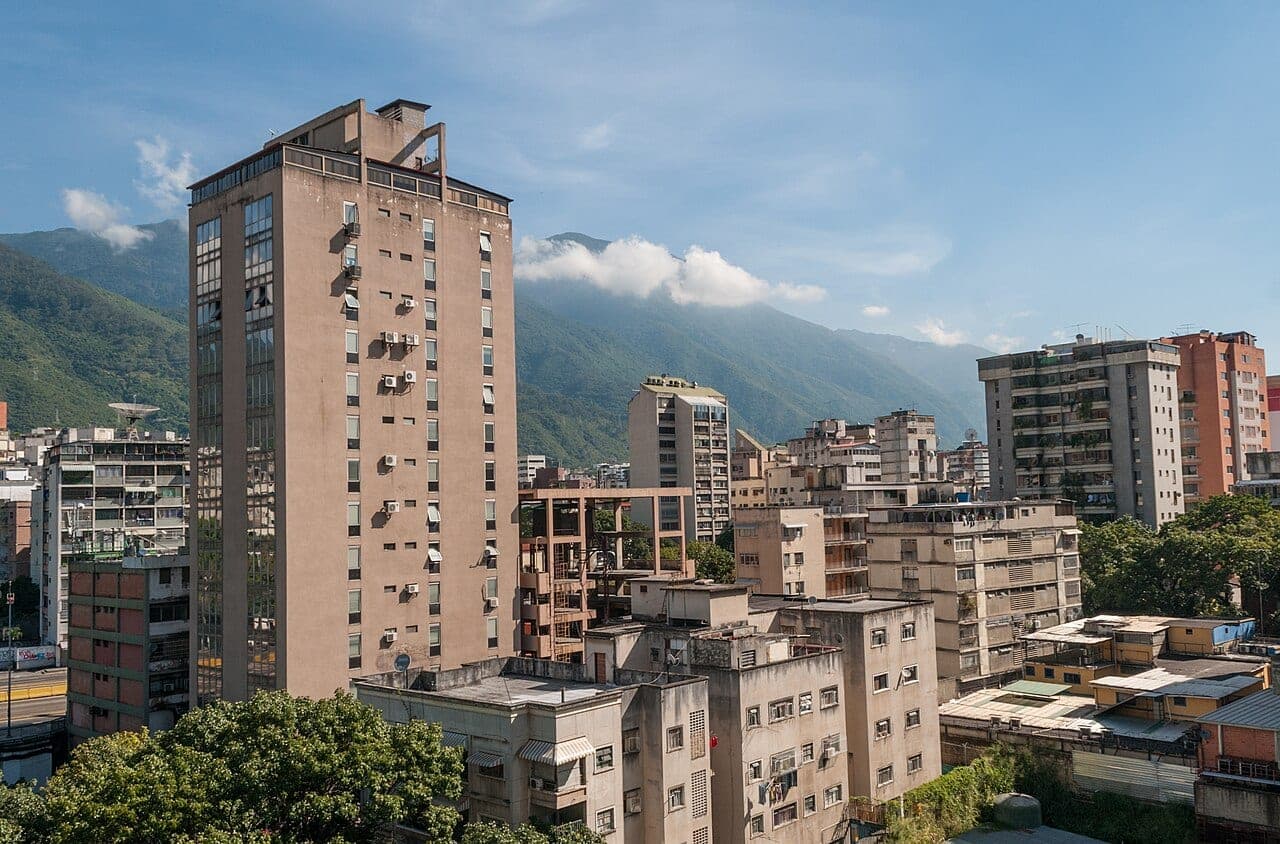
Venezuela's state bears responsibility for the death in detention of Alfredo Díaz, a former governor of Nueva Esparta, according to the UN Independent International Fact-Finding Mission (FFM) on Venezuela. Journalist Luis Carlos Díaz describes the findings in an account first published by Runrunes, translated by Caracas Chronicles and republished by Global Voices.
What the mission found
Díaz, a regional leader of Acción Democrática, died on December 6, 2025. Authorities recorded acute myocardial infarction as the official cause. According to the account, the FFM makes no allegation of a fatal beating, nor of any instruction to abandon him. Its argument is different: for a long period he went without specialist treatment even though alarming symptoms kept recurring over more than a year, and that gap in care helped bring about his death. The mission treats this as an arbitrary deprivation of life for which the state must answer.
Detention and health history
SEBIN agents detained him in Ospino, in Portuguesa state, on November 24, 2024, and his relatives did not know where he was for four days. Prosecutors accused him of "incitement to hatred" and "terrorism", and throughout his imprisonment, the account says, he was denied a lawyer of his own choosing and kept from seeing his case file.
He already suffered from seizures, depression and anxiety with paranoid features before his arrest. A 2024 medical report listed drug treatment, a CT scan and a neurological assessment as still outstanding. Fellow prisoners told the FFM he went through no fewer than two serious crises behind bars. During one, in October 2025, he had severe pain, rigid muscles and confusion, which the El Helicoide medical staff put down to indigestion and a stomach issue. The FFM found he was never seen by a specialist, even though his family and other inmates repeatedly asked.
At around 5:00 a.m. local time on December 6, 2025, the same symptoms returned. His cellmates called for help, which came late. Staff in the facility's medical area attempted resuscitation, and he died soon afterwards at the University Hospital of Caracas.
A wider pattern
The account presents Díaz as one case among others. Another the mission documented was that of Edison José Torres Fernández, who had served 24 years on the police force before being jailed over criticism of the government; marks on his body went unmentioned in his death certificate. No one has yet faced consequences in either case, the account says.
The report and its context
Although the Venezuelan state refused any cooperation, the FFM drew on 213 confidential interviews covering 121 people, among them victims, family members and witnesses, plus forensic and court records. Hundreds of prisoners were freed under interim president Delcy Rodríguez after Nicolás Maduro was captured following a US military intervention on January 3. Even so, the UN says no fewer than 18 senior figures earlier tied to abuses still hold important posts, Diosdado Cabello and Vladimir Padrino López among them.
Human Rights Council members renewed the mission's mandate for two more years in October. Separately, the report cites an Argentine federal court that, invoking universal jurisdiction, sought in June 2026 the extradition of a former Venezuelan military officer living in Spain.
Sources
- Global Voices (CC BY 3.0)