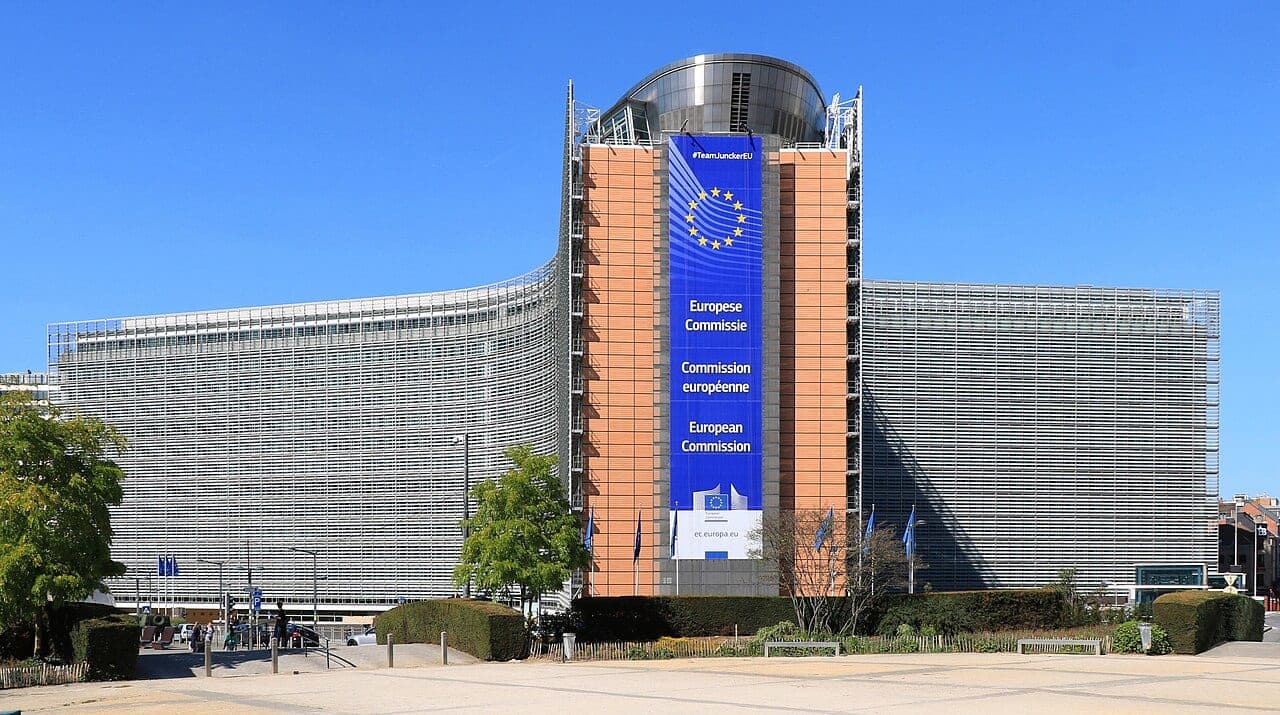
Sanitary and phytosanitary (SPS) checks on vehicles bringing goods from Great Britain into Northern Ireland could drop by as much as 90% once a new UK-EU food and drink arrangement is fully operating, according to government analysis. Biosecurity and Trade Minister Baroness Hayman spoke about the agreement on Friday 27 November, saying it would help hold down costs and widen choice for customers across the UK. The prime minister struck the deal in Brussels the previous week.
Costly paperwork to disappear
The government says the most expensive and slowest procedures will vanish entirely. Export Health Certificates for animal products, which can cost a business up to £200 apiece, are among them, as are Phytosanitary certificates, typically priced at over £150.
Since 2023, firms sending goods from Great Britain to Northern Ireland have been obliged to pay for more than 160,000 Export Health Certificates, the government says. Under the agreement those costs will end. Labels reading "Not for EU" on Northern Ireland products are also due to be scrapped, though fish and wine stay under existing arrangements.
Minister's two-day trip
Baroness Hayman was in Northern Ireland on 26 and 27 November 2026. Her stops included Creative Gardens in Donaghadee and the Northern Ireland headquarters of Lidl in Crumlin, and she met farmers in Kilbride. In Belfast she held a roundtable with CBI business leaders, and she also met Andrew Muir, the Northern Ireland Executive's agriculture minister. According to the government, new rules for moving plants will spare many firms, the garden centre among them, both checks and extra paperwork.
Angela McGowan, CBI Northern Ireland Director, said the organisation hoped the long-awaited agreement would bring real benefits, especially to agriculture and retail. She said its success hinges on a clear route to implementation and a transition period that gives companies time to get ready.
Windsor Framework and UK-wide effects
The government states that the Windsor Framework continues, preserving Northern Ireland's access to both the UK Internal Market and the EU Single Market and safeguarding the Good Friday Agreement. The new deal runs alongside it. Because producers in Northern Ireland already follow EU standards, the government says they need make no changes, unlike counterparts in Great Britain; the gains concern goods travelling from Great Britain.
For the UK as a whole, the government expects the food and drink arrangement to contribute up to £5.1 billion annually to the economy. It adds that the UK can still take its own measures to guard its biosecurity, and will regain entry to EU databases and systems that flag new risks. That restored access will apply equally in Northern Ireland and Great Britain, the government says.