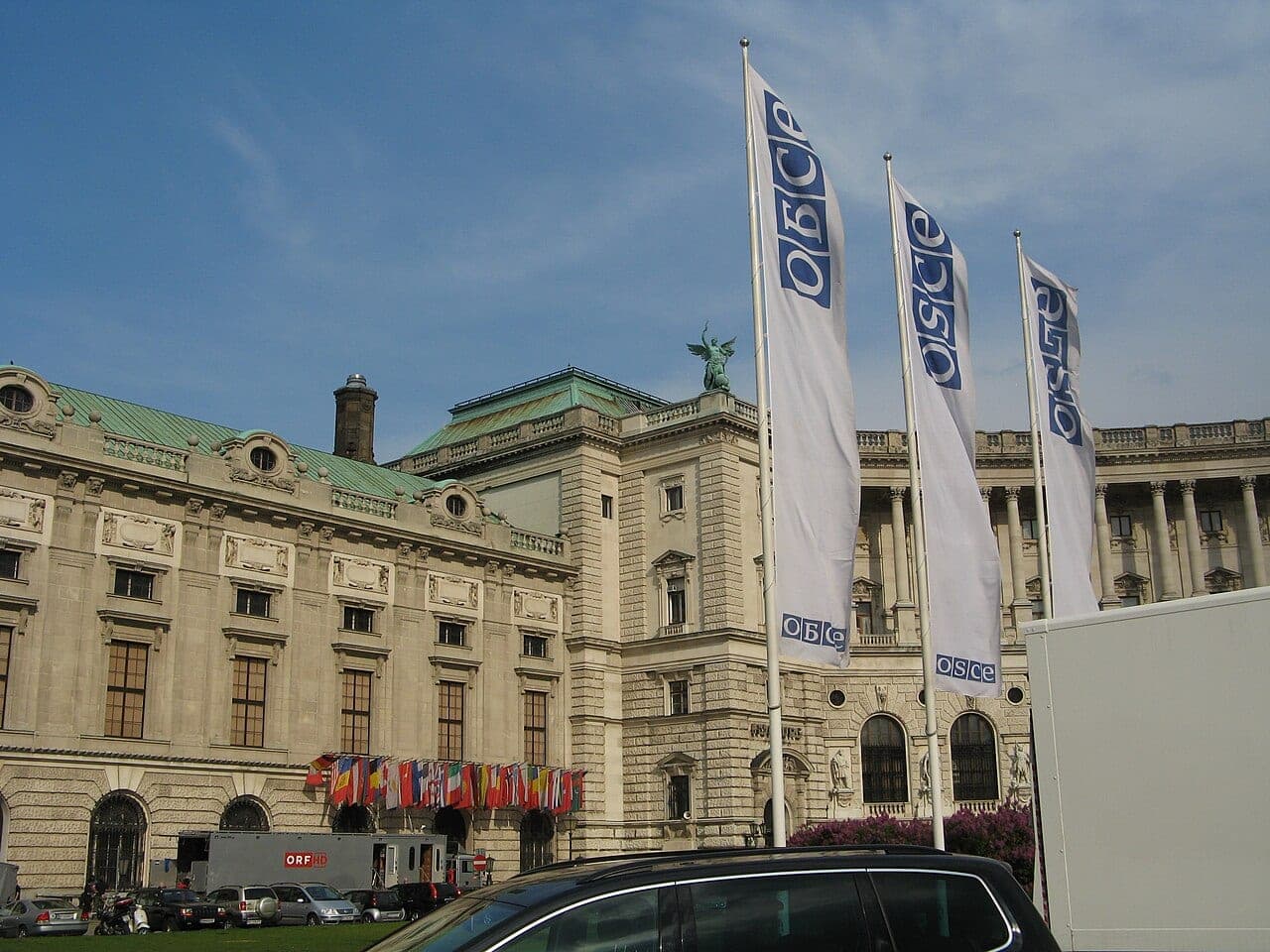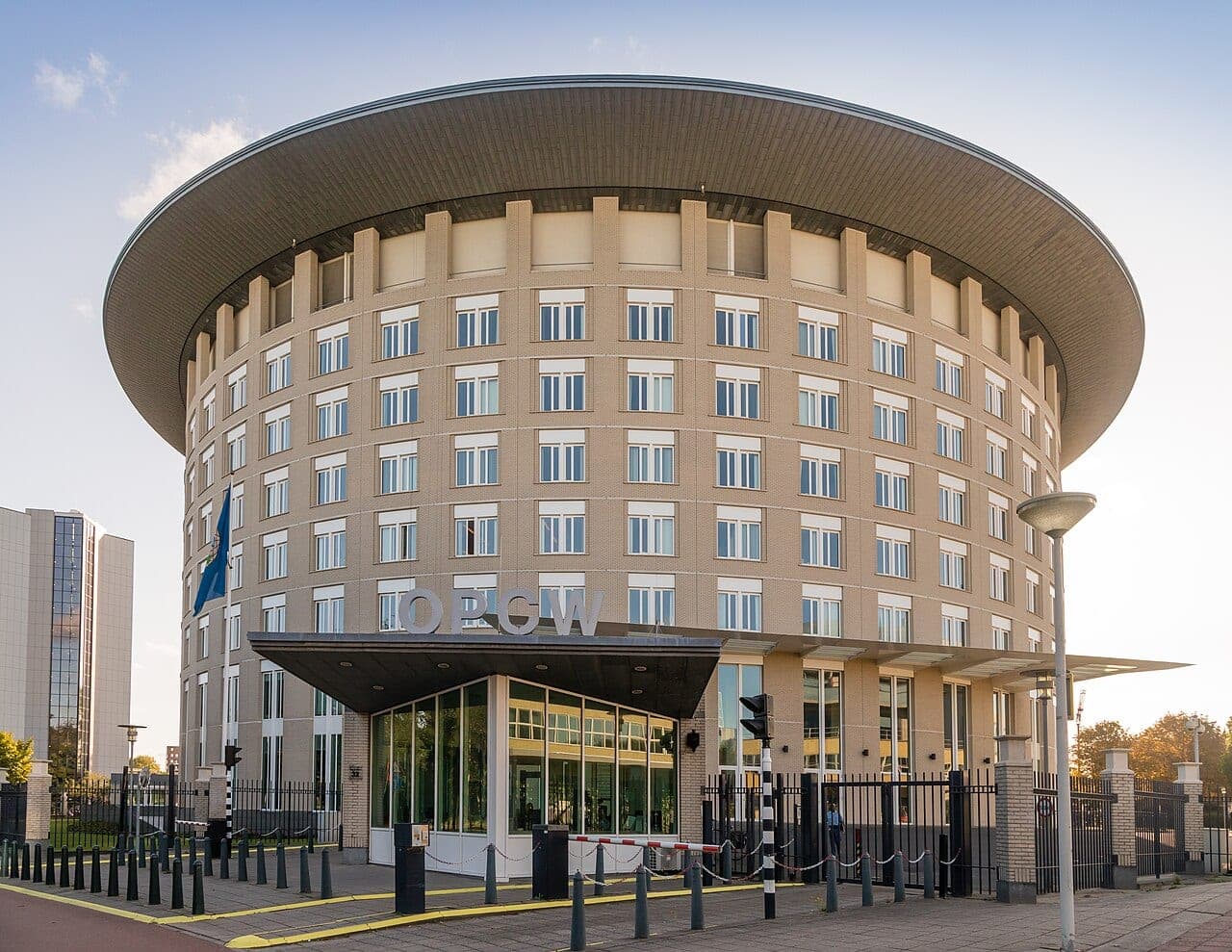
The United Kingdom has told the 31st Conference of the States Parties of the Organisation for the Prohibition of Chemical Weapons (OPCW) that Russia poses the gravest threat to the Chemical Weapons Convention. In its published statement, London asked fellow states parties to back an independent OPCW process to determine who carried out chemical attacks in Ukraine, calling this the necessary next step.
Allegations against Russia
According to the UK, Russia has an established record of breaching the treaty. The statement recalled the 2018 Novichok nerve agent attack on British soil, which it said killed Dawn Sturgess. It also said Alexei Navalny had been poisoned with a Novichok-family agent in 2020, and that epibatidine was highly likely the cause of his death in 2024. The UK further asserted that Russian forces fighting in Ukraine continue to deploy toxic chemicals.
London praised a national report Ukraine released the previous week. According to the UK, the OPCW Technical Secretariat confirmed that the report's methodology meets its own standards. The UK said the report finds Russia is using Riot Control Agents against Ukrainian forces, which it described as a breach of Article 1 of the Convention.
Sudan and other allegations
The UK said it is still worried by claims of chemical weapons use in Sudan, especially reports pointing to more systematic use. Should those claims prove true, London warned, Sudanese civilians and neighbouring countries alike would face serious danger. It repeated its demand that Sudan carry out a full national inquiry that is open, impartial and credible, then hand the results to the OPCW. Claims of toxic chemical use in other places, the statement added, deserve fair, evidence-based scrutiny.
Syria and new funding
On Syria, the UK said progress continues in dealing with chemical arms left over from the Assad era, pointing to 42 munitions whose destruction was verified in August. It cautioned that significant tasks remain, among them investigating past attacks and securing accountability.
The UK paired these remarks with several pledges. It is giving a further £350,000 to the OPCW's Syria Missions Trust Fund; since Assad's fall, its total giving to the fund now stands at £3.85m, which London said exceeds what any other state party has given. A separate £7m has already been provided for destruction work led by Syrians. The UK also said it will put around £100,000 towards CHEMEX Africa II, an exercise to improve chemical emergency readiness in Africa, and has approved another £230,000 in voluntary funding for chemical safety, security and laboratory capacity. As a result, it said, no country currently gives more voluntary funding to the OPCW for 2024-2026.
Budget, verification and technology
The UK said it backs the revised 2027 Programme and Budget and welcomed the restoration of 241 Article VI inspections. Bringing inspection numbers back up should not mark the limit of ambition, it argued, describing the Sixth Review Conference in 2028 as a chance to overhaul how the OPCW verifies compliance in a substantial way. The statement also cautioned that artificial intelligence could aid peaceful chemistry while potentially changing proliferation risks. London noted that the Executive Council had backed the revised budget without dissent and had also agreed to boost the organisation's ability to analyse biotoxins.