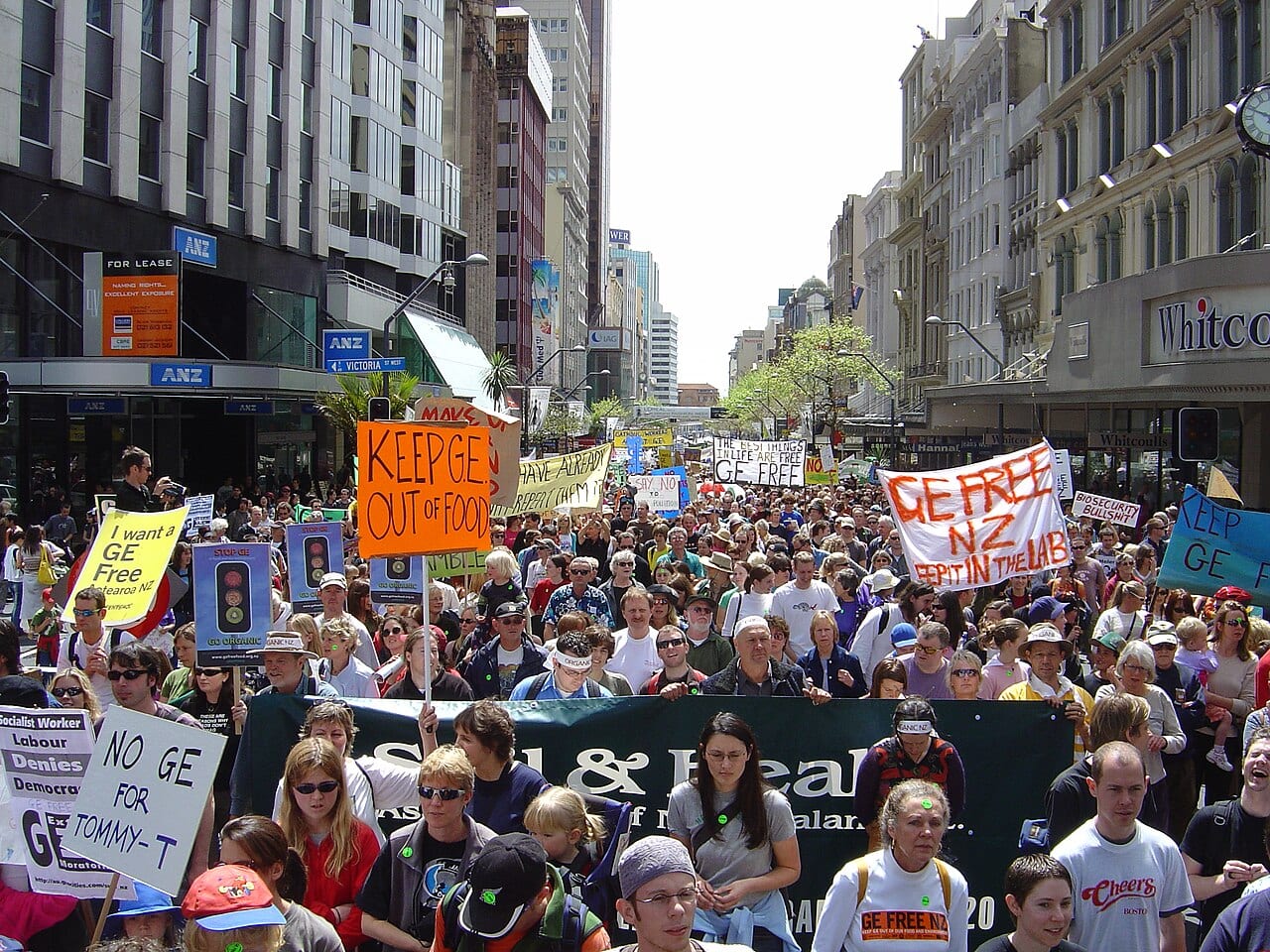
Internet shutdowns in Africa, Russian spyware in Georgia, physical and psychological scars of protesters in Nepal: these are some of the topics brought together by Global Voices in its September 2026 "Spotlight" series, titled "Protest in Democracy". An opinion piece published in The Bridge section presents its contents. According to the outlet, the series examines the various ways of protesting, the strategies used by states to discredit and suppress these movements, and the complex relationship between democracy and protest.
Digital technology as a tool of control
According to the text, the web has opened the way to new modes of action, but it has also given those in power new instruments of repression. Ranking Digital Rights contributed to an investigation showing that telecom operators lent a hand to network shutdowns imposed across the African continent. AlgorithmWatch, for its part, describes a surveillance programme of Russian origin deployed against Georgian protesters. In Romania, a case study by Funky Citizens shows that social networks can be used to capture, weaken or divert a movement's momentum.
What remains of the mobilisations
The series also raises the question of lasting effects, both positive and negative. In Bangladesh, protests that took place two years ago led to a change of government; one of the articles asks whether this victory has genuinely changed the way leaders are held to account. In Nepal, a report follows participants in the 2025 Gen Z protests and looks at the long-term consequences of the injuries and trauma they suffered.
Imagination as a resource
The collection records many forms of expression. A collective piece focuses on protest songs. Young Japanese people are getting started in activism, notably by distributing posters, while in India the "Cockroach Party" has relied on humour and memes from its beginnings to attract young people. In Russia, where repression is harsh, street art is changing, and Russians, often in exile, pass on their messages in videos that play on innuendo. Another article compares the strengths and limits of online mobilisation and mobilisation on the street.
Beyond the ballot box
To justify this series, the text argues that in most regimes described as democratic, citizen participation is practically limited to elections, a regulated and constraining exercise that has little bearing on the accountability of elected officials or on the expression of specific views. Taking to the streets would make it possible to influence those in power between elections and to build solidarity and alliances. Voting is presented as a single, standardised and, for the most part, solitary act, whereas protest can take a multitude of forms.
Global Voices finally describes this collection as a form of protest in its own right. The Bridge specifies that its texts reflect personal viewpoints that do not necessarily commit the whole of the outlet's community.
Sources
- Global Voices en Français (CC BY 3.0)