Douglas Alexander, the Secretary of State for Scotland, will use an international defence summit in Oslo this week to seek more investment, jobs and capability for Scotland, according to the UK Government. He said his case would build on Norway's £10 billion agreement for Clyde-built warships.
Record spending and jobs
The government says Scotland received £2.53 billion of defence investment in 2025/26, a record figure. It says the Ministry of Defence supports 26,300 Scottish jobs, 12,200 of them in industry. It also cites the Scotland Defence Growth Deal and two new Defence Technical Excellence Colleges. The Scottish Government has now agreed to match fund the colleges, which are meant to train young people for future defence work. Alexander described the sector as central to what he called the Prime Minister's priority of re-industrialisation.
Security case
Alexander linked the push to the conflict in Ukraine. "Russia's illegal war in Ukraine is a stark reminder that we cannot ever take Britain's security for granted," he said. He added that Scotland now matters more than ever for protecting the country and its partners.
According to the government, he will highlight HMNB Clyde, which supports the UK's nuclear deterrent, and RAF Lossiemouth, where Quick Reaction Alert Typhoons are on constant standby to defend British airspace.
A summit at sea
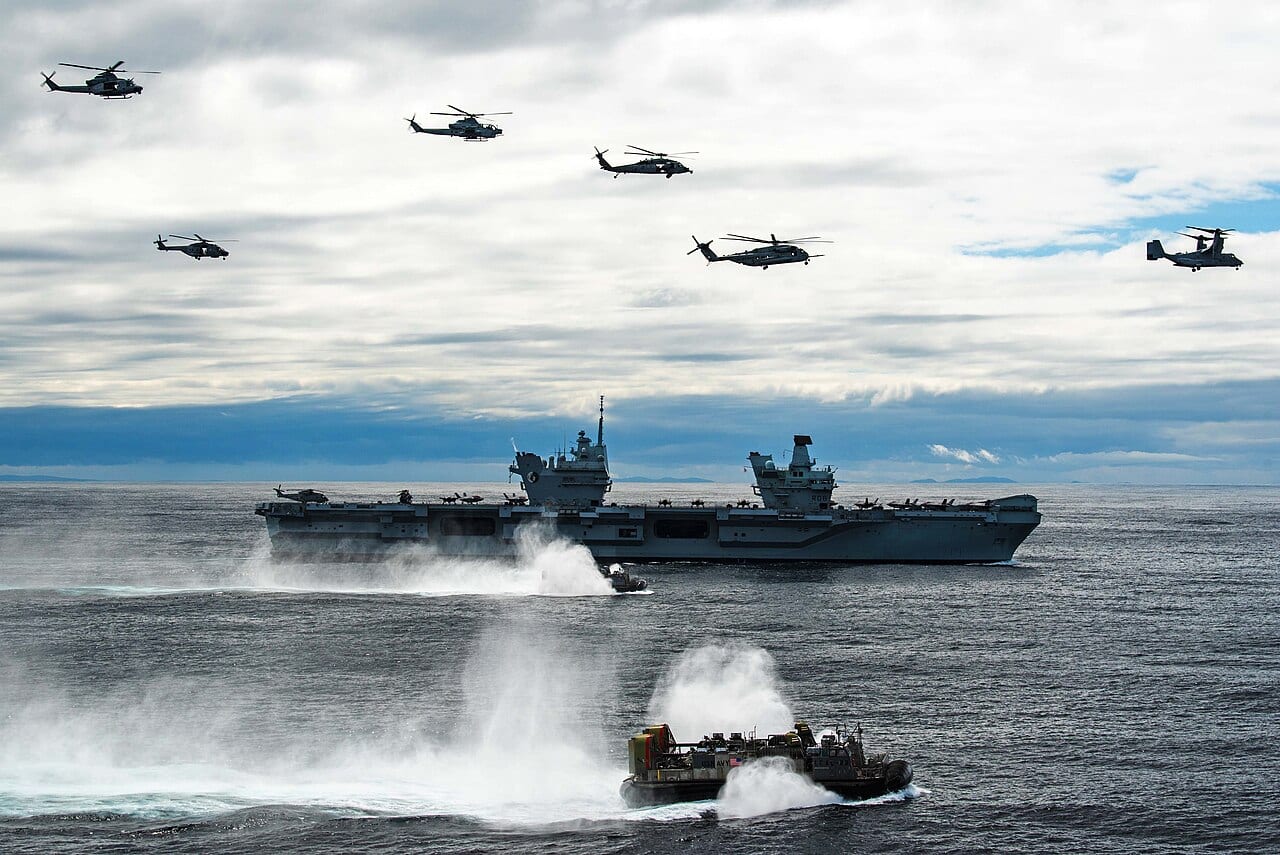
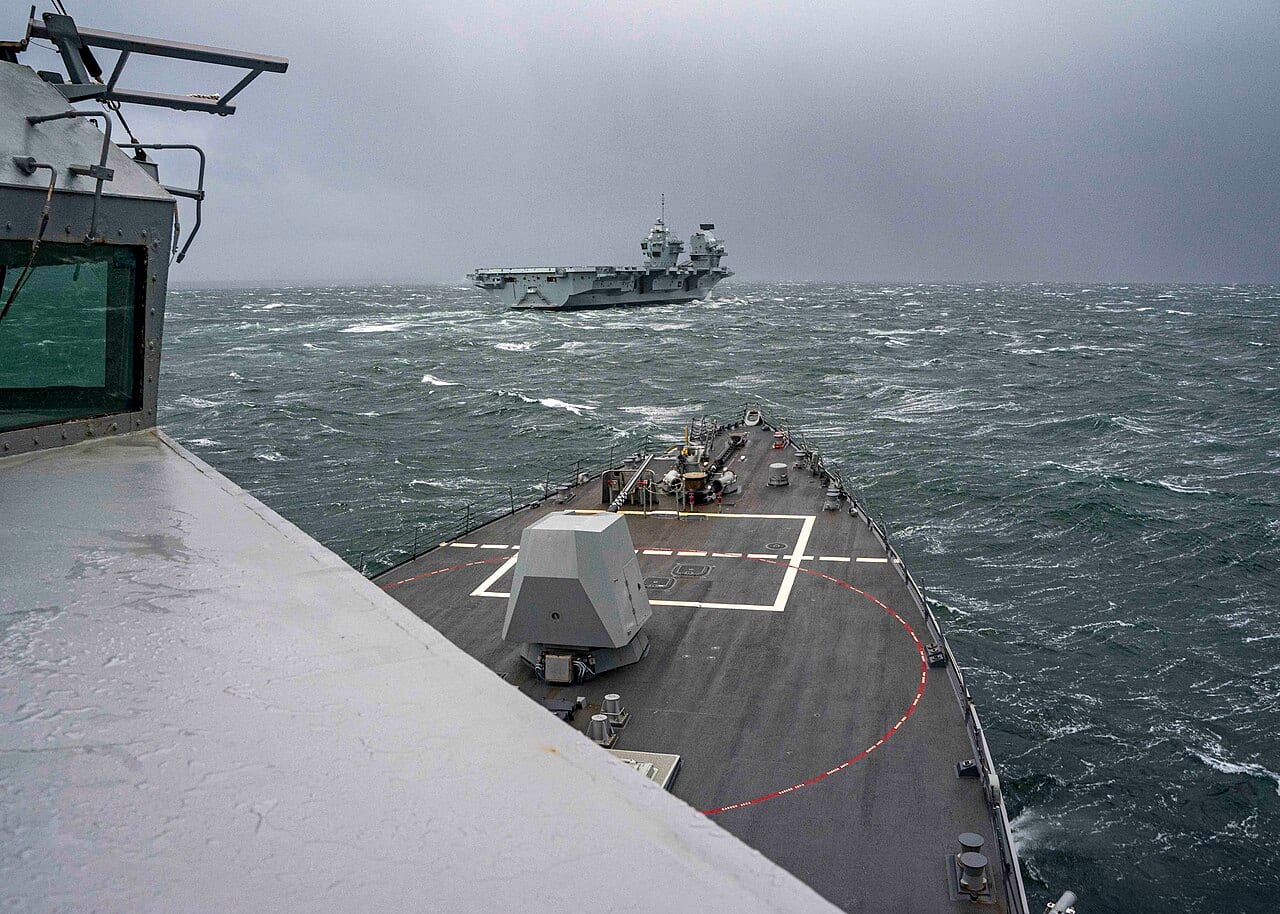
The Atlantic Future Forum is a yearly gathering of defence, security and technology leaders, including defence ministers, military chiefs, industry figures, academics and NATO Secretary General Mark Rutte. Britain and Norway are jointly hosting this year's event aboard the Rosyth-built aircraft carrier HMS Prince of Wales. The government says this is the first time the summit has taken place on the European mainland, and calls it a signal of UK commitment to European security and the High North.
The government also said the UK-led Joint Expeditionary Force (JEF) staged its biggest military operation yet this autumn, sending thousands of troops to locations stretching from the Baltics to Iceland. British forces and JEF partners have used artificial intelligence while watching for dangers to seabed infrastructure and keeping track of Russia's shadow fleet, it added.