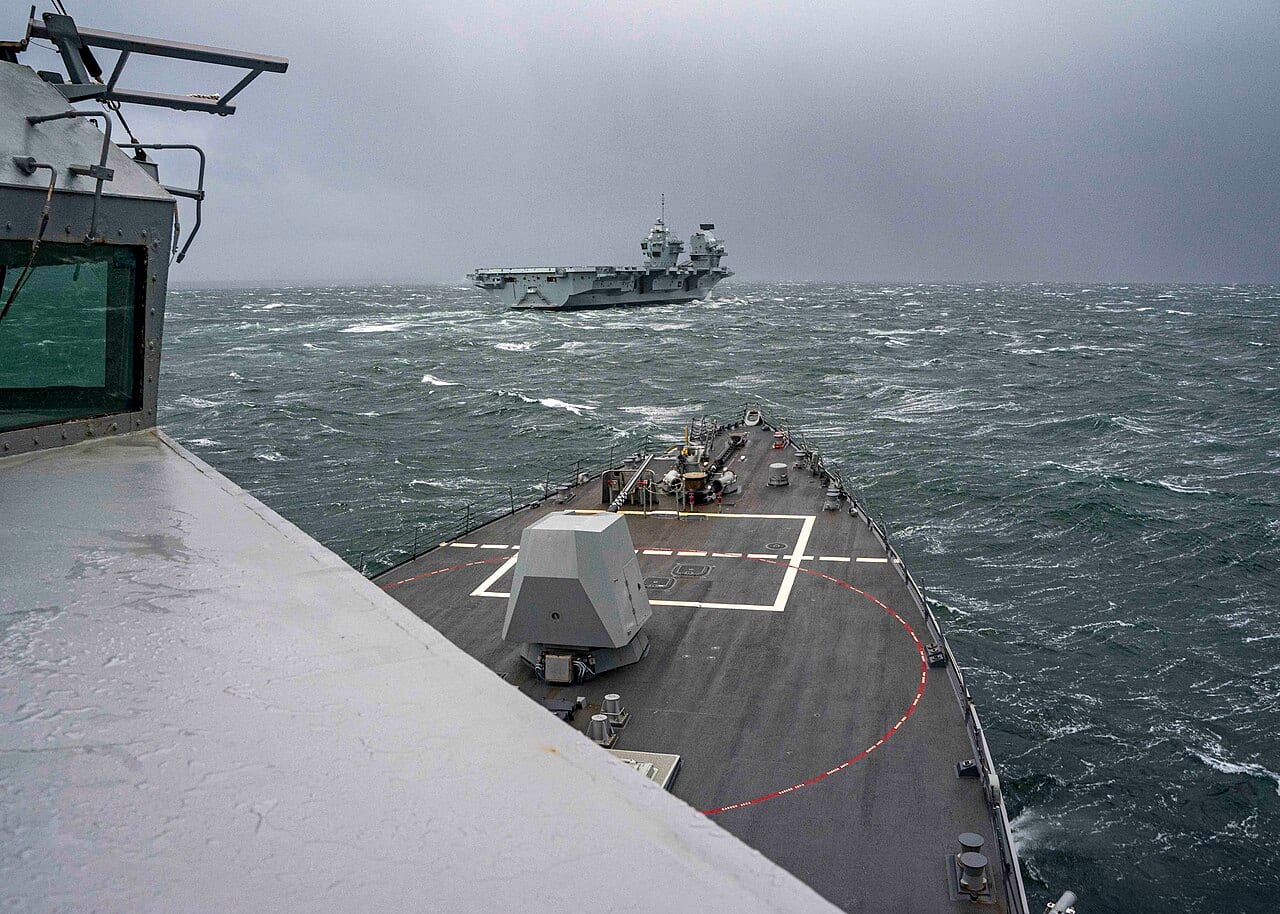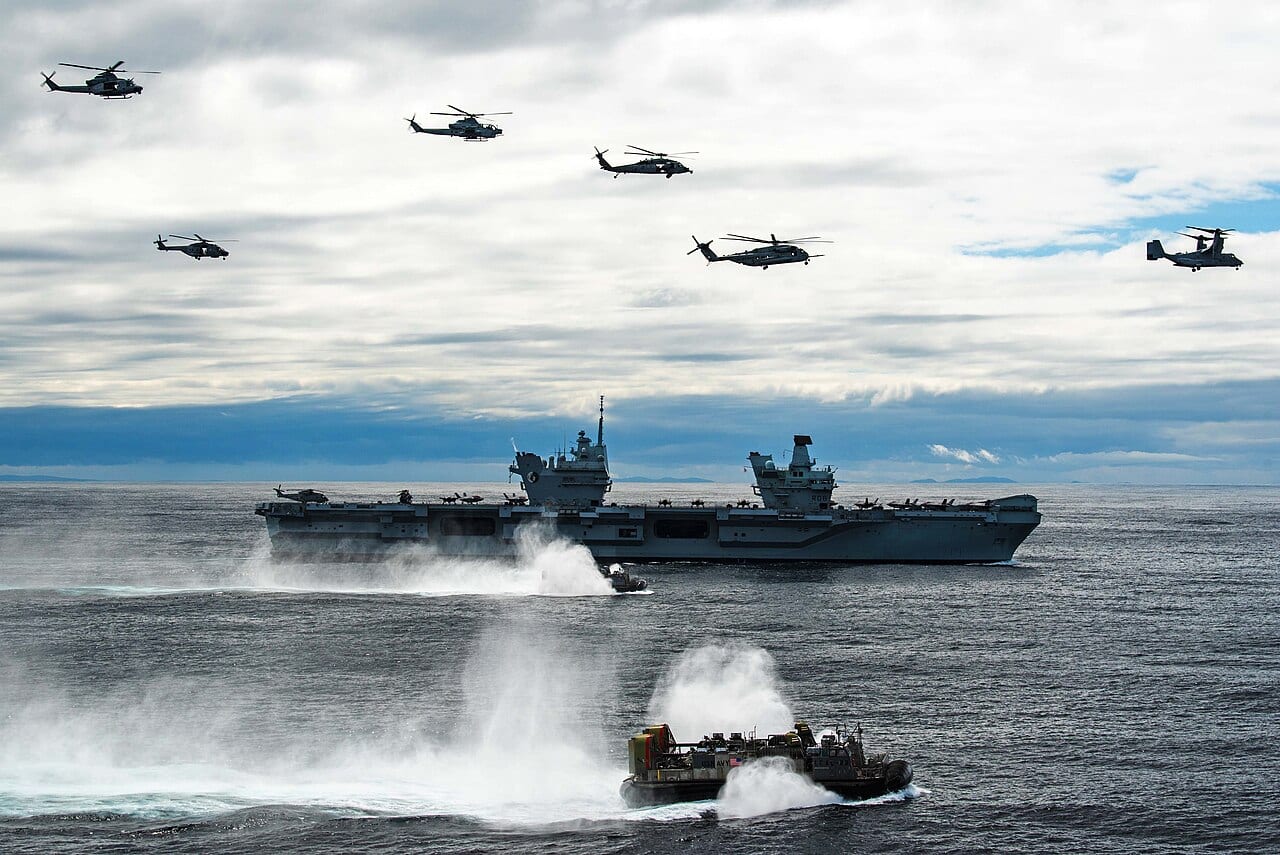
The Royal Navy is being rebuilt and is adding new uncrewed systems, First Sea Lord General Sir Gwyn Jenkins said in a speech to the International Sea Power Conference, held in Norway. He also described a security environment that he said has changed. GOV.UK published the text of his remarks.
New announcements
Jenkins said Kraken scout vessels will be equipped with counter-drone interceptors in the new year. He called the upgrade a cheaper and more flexible answer to threats from the air. In his view, it means the navy's top-end missiles can be saved for targets that actually warrant them.
He also said he would sign a statement of intent with Northrop Grumman aboard the host carrier two days after the speech. The agreement falls under Project VANQUISH and covers readying the company's TALON demonstrator for Royal Navy trials. Jenkins said the partners will aim for a 2027 demonstration in UK waters, with the drone taking off from the carrier. He said this would show whether uncrewed combat jets can fly safely and effectively next to the current air wing.
Jenkins noted that the Minister had announced that morning that Atlantic Net will start operating within months. Atlantic Net is the first phase of Atlantic Bastion and is being developed with Ocean Infinity. According to Jenkins, it should let the navy pick up hostile activity beneath the waves at an earlier stage and better guard critical infrastructure. He added that NATO and JEF allies will also see the undersea situation far more clearly.
Hybrid Navy progress
A year ago, Jenkins said, the Hybrid Navy existed mostly as a concept. He told delegates it is now real. As an example, he pointed to the response to events in the Strait of Hormuz, where he said a multinational coalition came together. RFA Lyme Bay was refitted to carry and deploy uncrewed minehunting equipment, and the navy obtained several dozen Kraken USVs within a few months.
Jenkins said the 1st Autonomous Squadron was commissioned in Portsmouth last week. Defending the coast will be the unit's initial job. The Royal Navy Capability Accelerator Hub, which brings operators, engineers and industry together, opened in Portsmouth at the same time.
Shipbuilding and security outlook
Jenkins described the current shipbuilding effort as the navy's largest renewal since the Second World War. He listed thirteen frigates in build, six Common Combat Vessels, four Dreadnought submarines, four amphibious ships and four Fleet Solid Support ships. He put the existing programme at 280,000 tonnes of new steel and said the figure reaches around 450,000 tonnes when planned programmes are counted.
Jenkins warned that the risk of conflict is rising and that Russia will keep testing allies' resolve. He said war can be avoided if adversaries believe allies are serious. The Defence Secretary has told the navy it must be ready within 1,000 days, he said.
According to Jenkins, the conference and the Atlantic Future Forum drew more than 80 industry partners and more than 700 delegates. He said no UK carrier has ever hosted a bigger meeting of business leaders. He also said allies signed a JEF Northern Navies Initiative agreement that day, after nine months of work.