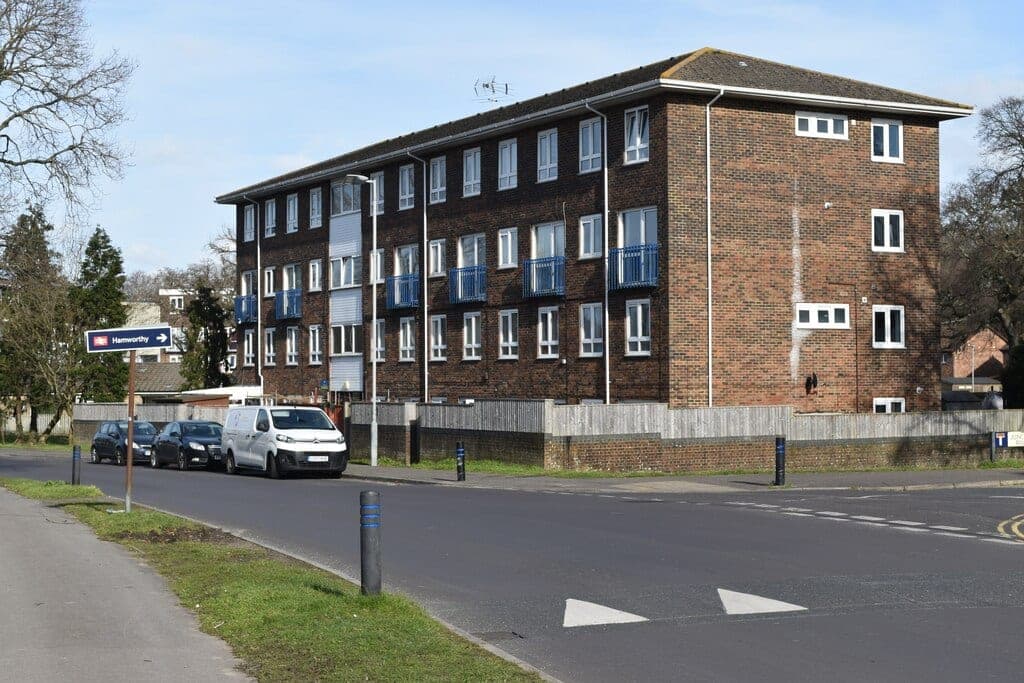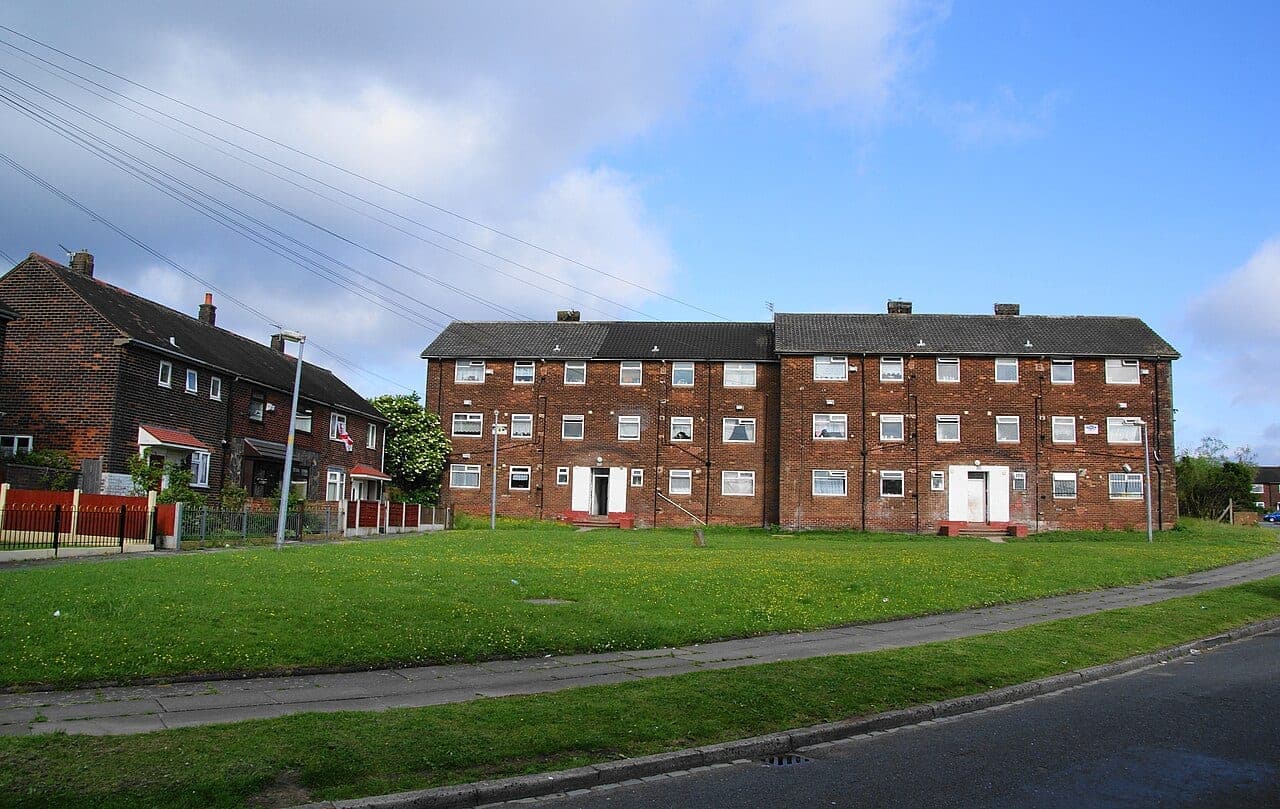
The UK government is bringing the Commonhold and Leasehold Reform Bill to Parliament on 19 November, according to a GOV.UK announcement. Ministers describe the package as the largest change to homeownership in a century and say it would end the 1,000-year-old leasehold system.
Ground rents, fees and forfeiture
The government estimates 5.1 million leasehold homes across England and Wales, roughly 4.9 million of them in England and 235,000 in Wales. It says many owners face climbing ground rents, pricey lease extensions and charges for routine permissions.
Under the bill, ground rents would be capped at £250 a year in 2028. According to the government, this would lower bills for up to one million leaseholders and bring ground rents down to zero after 40 years. Ministers would also gain powers to limit permission and administration fees, for example for keeping a pet or replacing a front door.
Landlords' existing powers to threaten a leaseholder's home over comparatively minor arrears, including a disputed service charge, would be abolished. A court-led process would take their place.
A shift to commonhold
Commonhold, a modernised ownership model, involves neither ground rent nor a third-party landlord. Under the bill it would be the standard for most new flats, with narrow exceptions such as shared ownership. The threshold for existing blocks to convert would fall from 100% neighbour agreement to 50% support, and neighbours who do not consent could stay on modified leases until they sell.
Housing Minister Matthew Pennycook said publication of the bill "marks the beginning of the end for the feudal leasehold system".
Lease extensions and estates
The bill would repair parts of the Leasehold and Freehold Reform Act 2024 so that 990-year lease extensions can be bought, landlords' costs are in most cases not passed on, and marriage value is abolished. The government describes marriage value as an extra charge on leaseholders whose leases have 80 years or fewer left. Leaseholders would also gain a firmer right to ask for gigabit broadband, with landlords required to answer within set timeframes.
On so-called "fleecehold" estates, the government says up to 1.75 million freehold homes would be shielded from management companies' ability to take over homes because of unpaid fees.
Professor Nick Hopkins, Chair of the Leasehold Advisory Service, called the bill a significant step. In his view, the move towards commonhold, together with a simpler path for current leaseholders to convert, amounts to the most important reform of home ownership in a generation.
Timetable
The reforms depend on passing through Parliament and receiving Royal Assent. The bill covers England and Wales, as property law is devolved in Scotland and Northern Ireland. Earlier measures from the 2024 Act have already taken effect, and the government lists further service charge and insurance rules for 1 April 2027, 1 November 2027 and 1 November 2028.