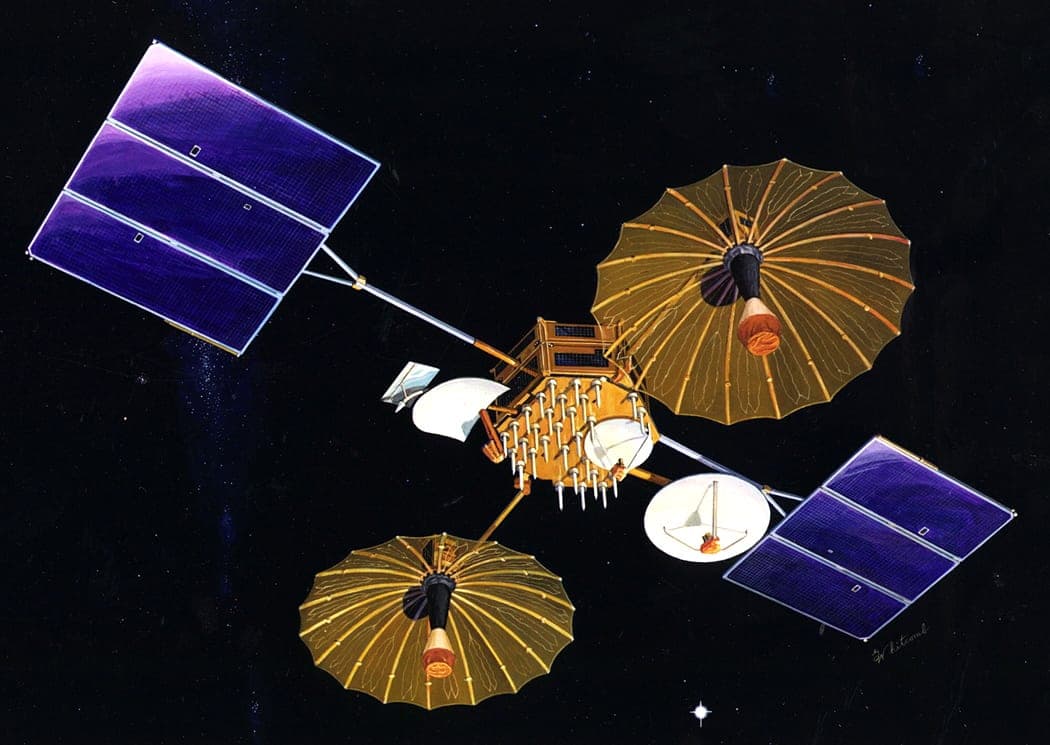
The central instrument of NOAA's next generation of low-Earth orbit weather satellites now has a manufacturer. Northrop Grumman Systems Corporation will produce the Sounder for Microwave-Based Applications (SMBA) for the Near Earth Orbit Network (NEON) program of the National Oceanic and Atmospheric Administration (NOAA), under a $290.6 million contract that NASA awarded on NOAA's behalf. NOAA describes SMBA as the backbone microwave sounder of the NEON program.
A successor to JPSS
According to NOAA's National Environmental Satellite, Data, and Information Service (NESDIS), NEON will first supplement the Joint Polar Satellite System (JPSS) and ultimately take its place. JPSS satellites are expected to keep operating through the late 2030's. NEON is intended to prepare the next generation of low-Earth orbit spacecraft well ahead of the final JPSS launch, by putting small to medium-sized satellites into orbit more often.
Two projects open the program. QuickSounder, a prototype carrying a refurbished Advanced Technology Microwave Sounder (ATMS) comparable to the units on JPSS satellites, has an anticipated launch date in 2027. SMBA, the program's first newly developed instrument, is slated for the second project, known as Series 1.
Why sounders come first
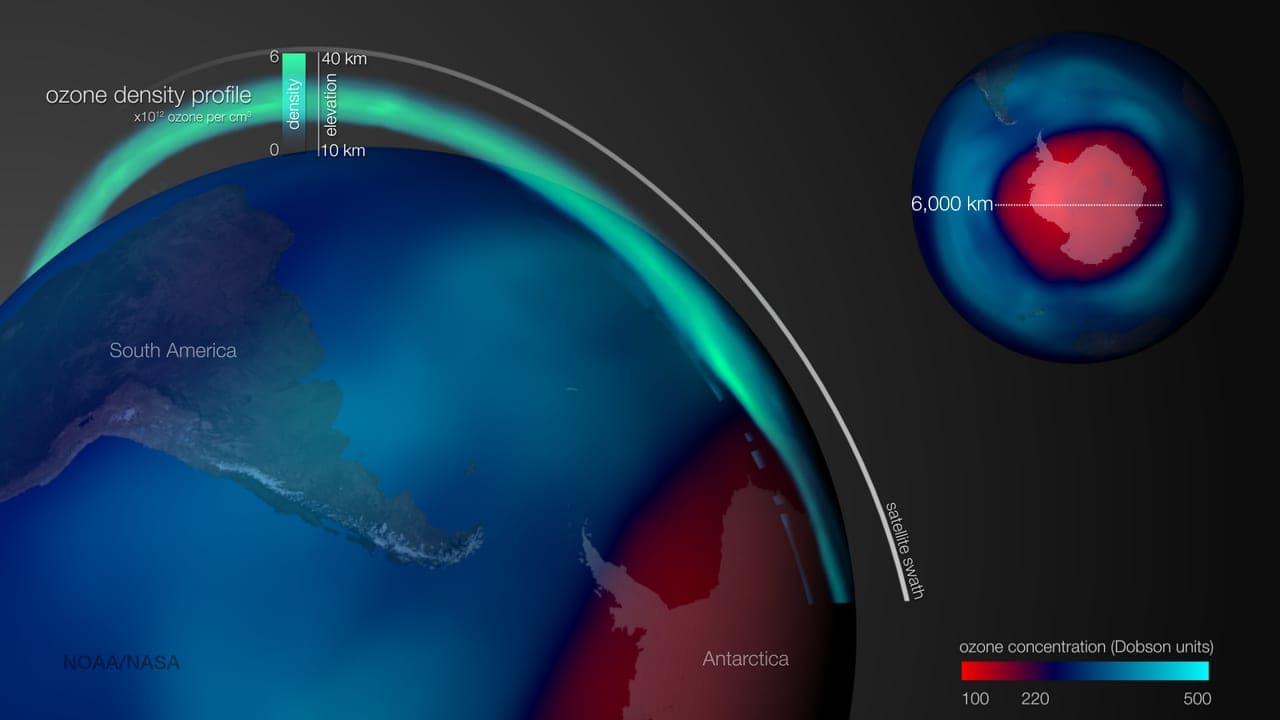
The service explains that microwave sounders are going up ahead of other NEON instruments because no other data weigh as heavily in weather forecast models. Probing the atmosphere vertically, these sensors record temperature and water vapor from the ground to high altitudes worldwide, and cloud cover does not block them. NASA said SMBA has the potential to sharpen the medium-range forecasts issued by NOAA's National Weather Service.
Terms of the award
NASA said the hybrid deal blends time-and-materials, cost-plus-fixed-fee and firm-fixed-price elements. Northrop Grumman must design, develop, produce and test three SMBA units, support them through the mission, and carry out the work at its own facility. Performance begins Nov. 23 and ends April 1, 2042. NASA's Goddard Space Flight Center in Greenbelt, Maryland, is handling the procurement; NOAA will take ownership of the instruments, run them and pass their data to users globally.
Under the division of labour NASA outlined, NOAA heads NEON and supplies its funding, technical requirements and post-launch operations, while NASA oversees satellite development and handles the launches. The two agencies plan to bring commercial partners into the design and construction of the spacecraft and instruments.
Sources
- NASA (Public domain (US government work))
- National Environmental Satellite, Data, and Information Service (Public domain (US government work))
- NASA Science (Public domain (US government work))
- www.weather.gov