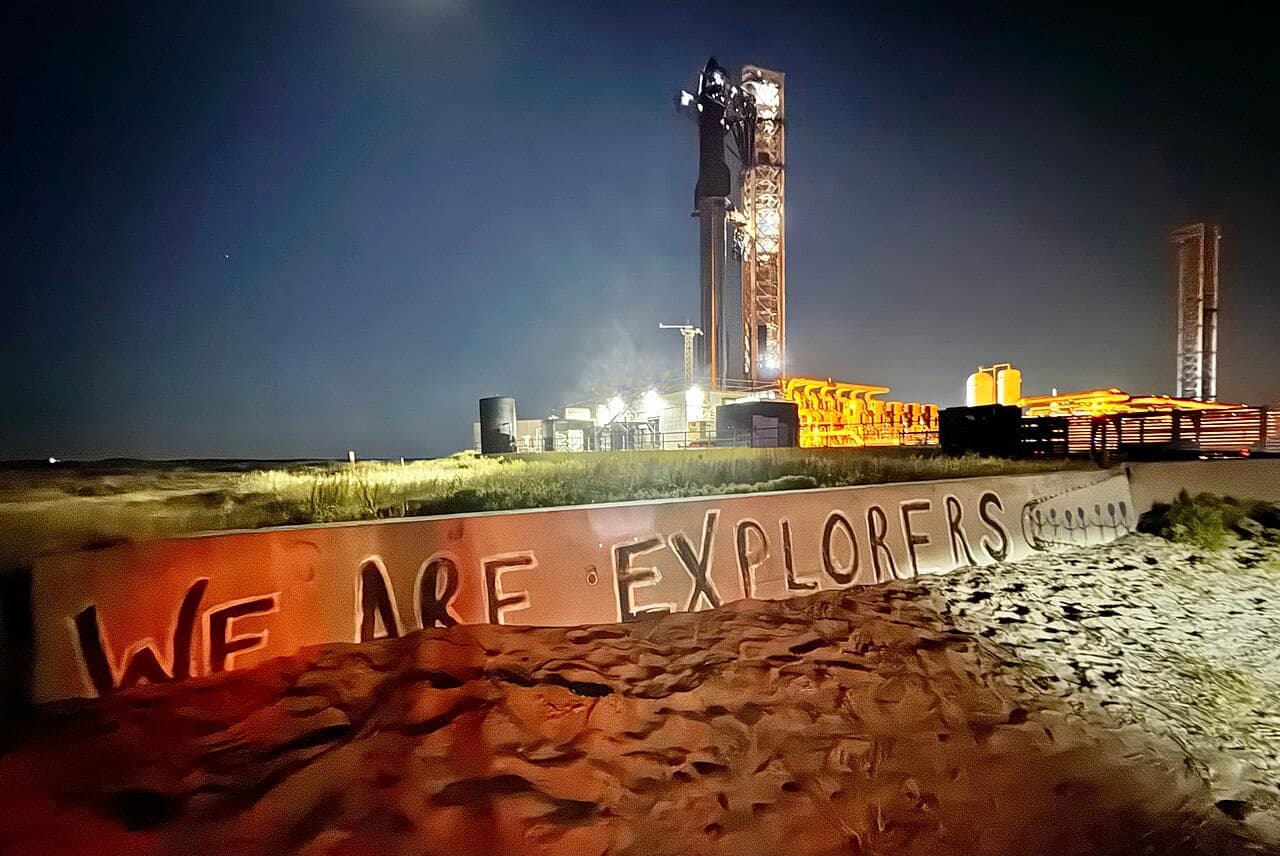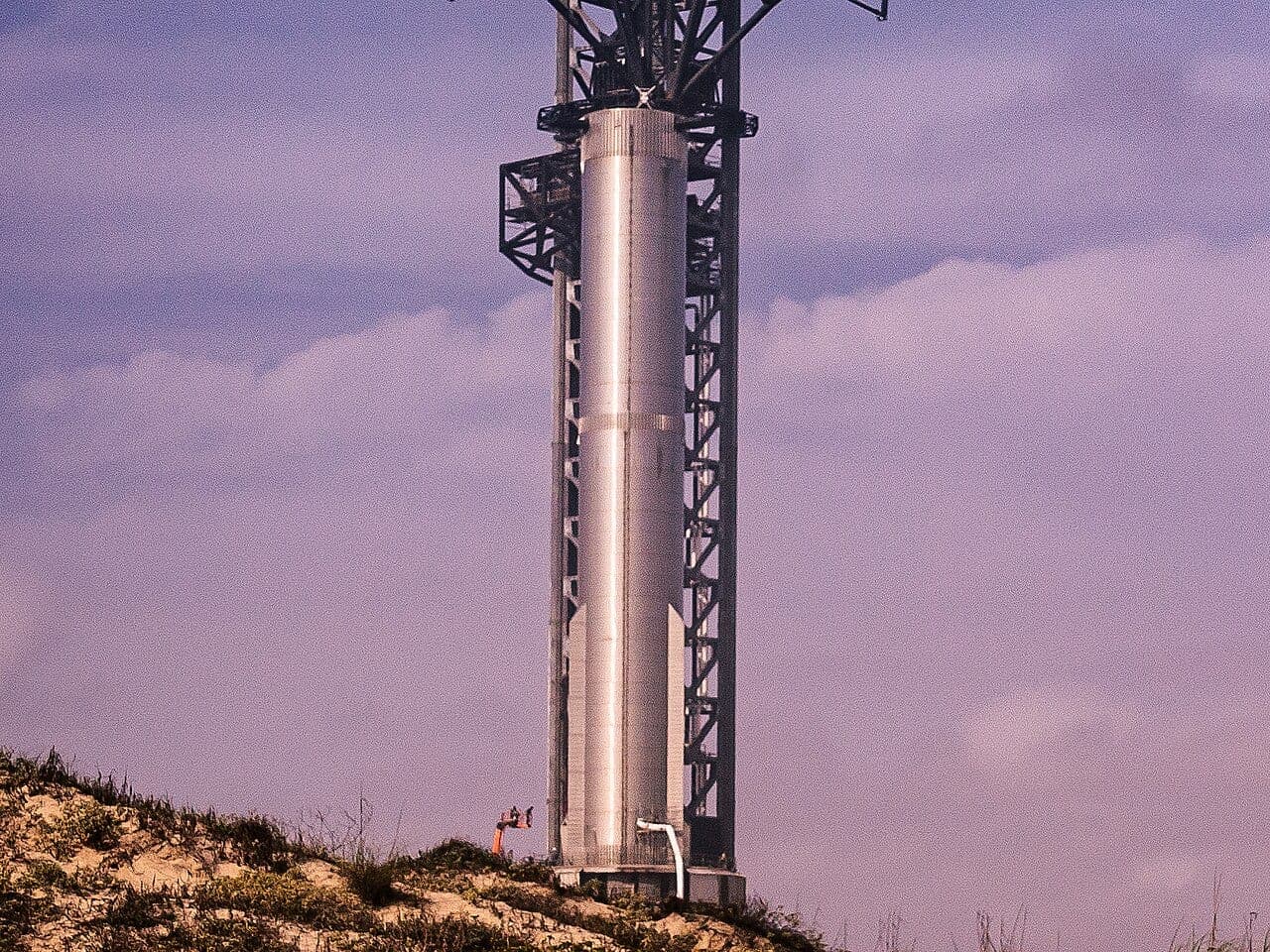
SpaceX's latest Starship flight produced two very different results in a single weekend. The upper-stage spacecraft flew a long orbital test and came home to be caught by the mechanical arms, nicknamed "chopsticks", of the tower it launched from. The first-stage booster, meanwhile, never made it back. For engineers, the spacecraft's performance is the headline and the booster is the open question.
A longer time in orbit
Reporting by Gulf News says the vehicle lifted off from Starbase, Texas, late on Friday afternoon and that the spacecraft separated cleanly from its booster before reaching orbit. There it released 26 Starlink satellites, which are SpaceX's own internet-network spacecraft. It then stayed up at an altitude of about 265 kilometres (165 miles) and completed 14 laps of the planet.
That is a big step beyond the previous mission, which managed one or two laps. The extra time matters because a spacecraft that will one day carry people has to prove it can stay up, stay controlled and still return accurately. Live views of the craft and of Earth were streamed back via Starlink during the flight.
The heat shield held up
Re-entry is the hardest part of any return from orbit, and SpaceX reported that everything on the spacecraft, including its heat shield, appeared to work well. The craft then lowered itself upright at the launch site, roughly 22 hours after it had left, and the tower arms closed around it.
SpaceX says the catch shows that Starship can be reused in full. Reuse is the point of the whole design: the company wants to fly the same hardware again and again, rather than build a new rocket for each launch.
Why the booster is the open question
The booster did not share that success. SpaceX's Kate Tice said its engines stopped firing too soon on the way back down. The guidance system sensed that the booster was not in the right position and automatically sent it into a detour over water, where it destroyed itself. Pieces of wreckage were left in the Gulf of Mexico.
The company points out that it had already caught the booster three times on earlier flights, so the method itself is not in doubt. What engineers still need to find out is why the engines shut down early. That investigation is continuing and no cause has been announced.
Looking ahead
The wider stakes are lunar. NASA is paying billions of dollars for Starship to land Artemis astronauts on the Moon, and the agency welcomed the result. SpaceX expects to start launching Starships from Florida's Kennedy Space Center within months. That site is the starting point for the next Artemis mission, which will stay in Earth orbit while the crew practises with lunar landers.
NASA is aiming for as soon as 2028 for Artemis IV, which would be the first crewed Moon landing since the Apollo programme. Before then, SpaceX will need to show that its booster can be recovered as reliably as its spacecraft.
Source: reporting by Gulf News and statements from SpaceX officials quoted there. This report was written by The Global News Feed with AI assistance and reviewed by an editor.