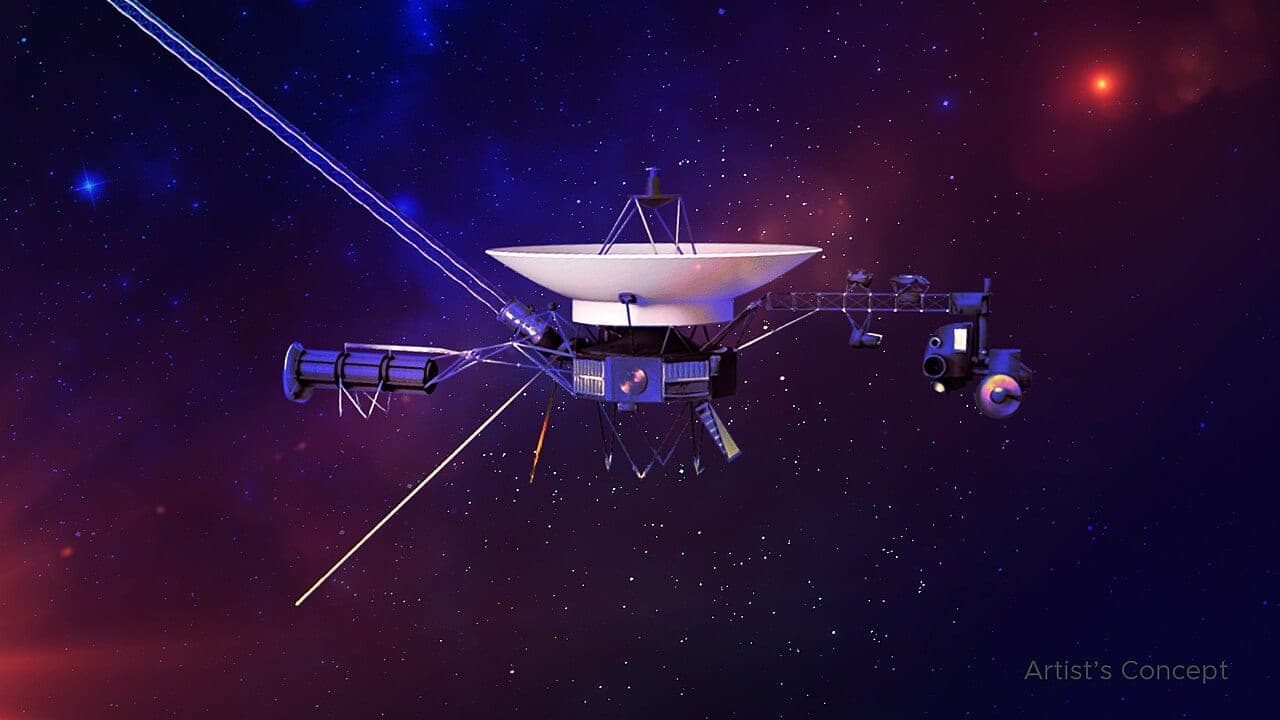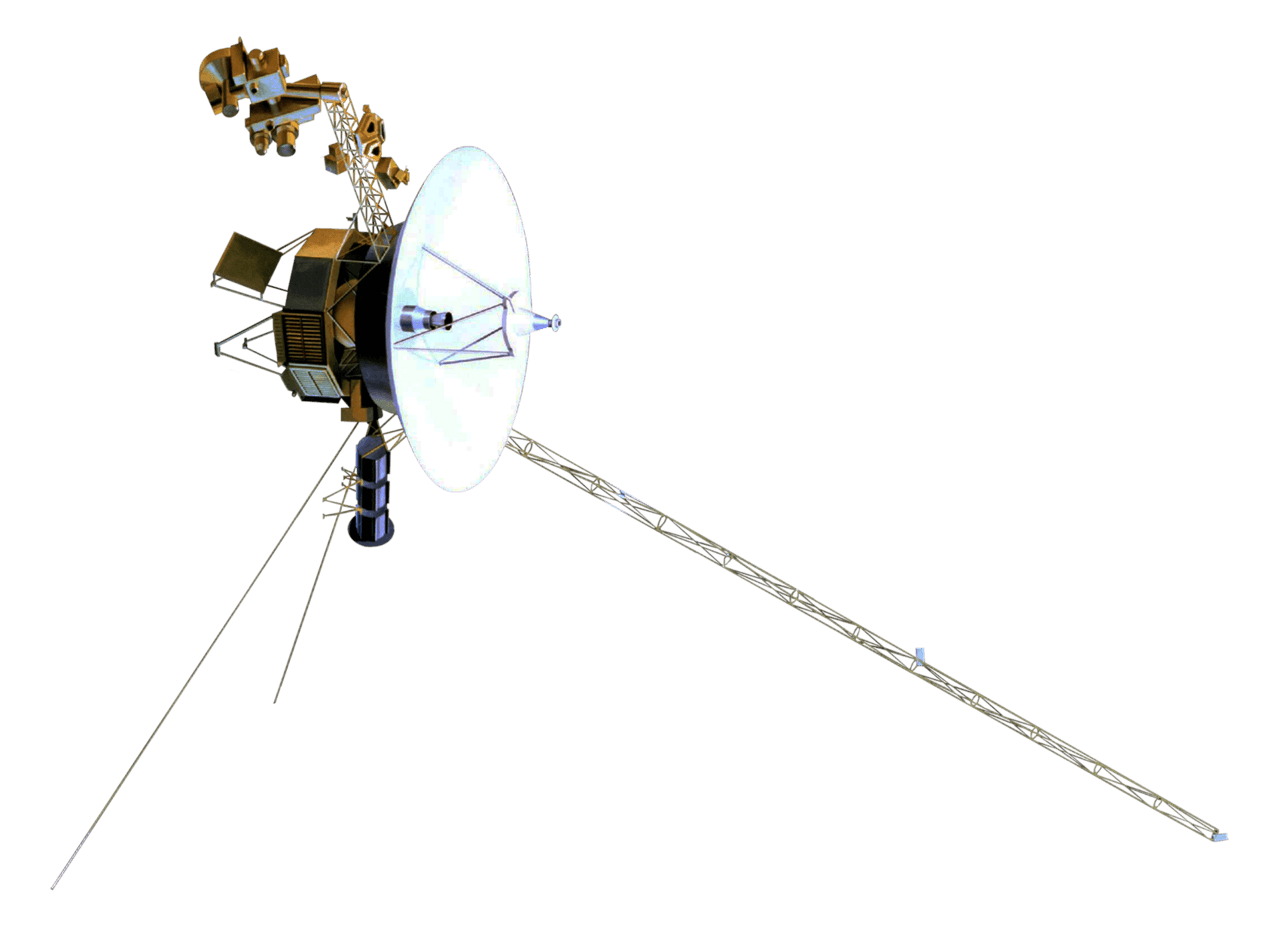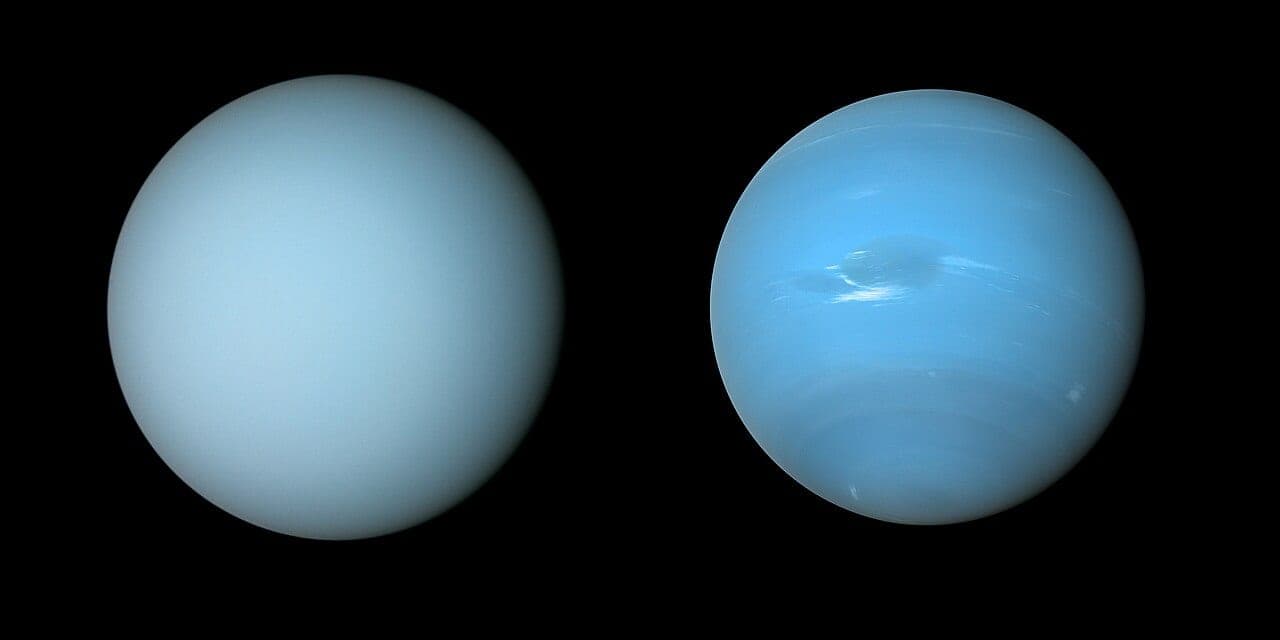
Researchers may have found the reason Uranus and Neptune carry such lopsided magnetic fields, a puzzle dating back to NASA's Voyager 2 flybys in the 1980s. A paper in Communications Physics argues that conductivity rising with depth inside both planets could drive their odd magnetism.
The work was led by The University of Texas at Austin, with partners at Imperial College London, Northumbria University and the University of California, Los Angeles, according to the UT Institute for Geophysics.
A tilt far from Earth's
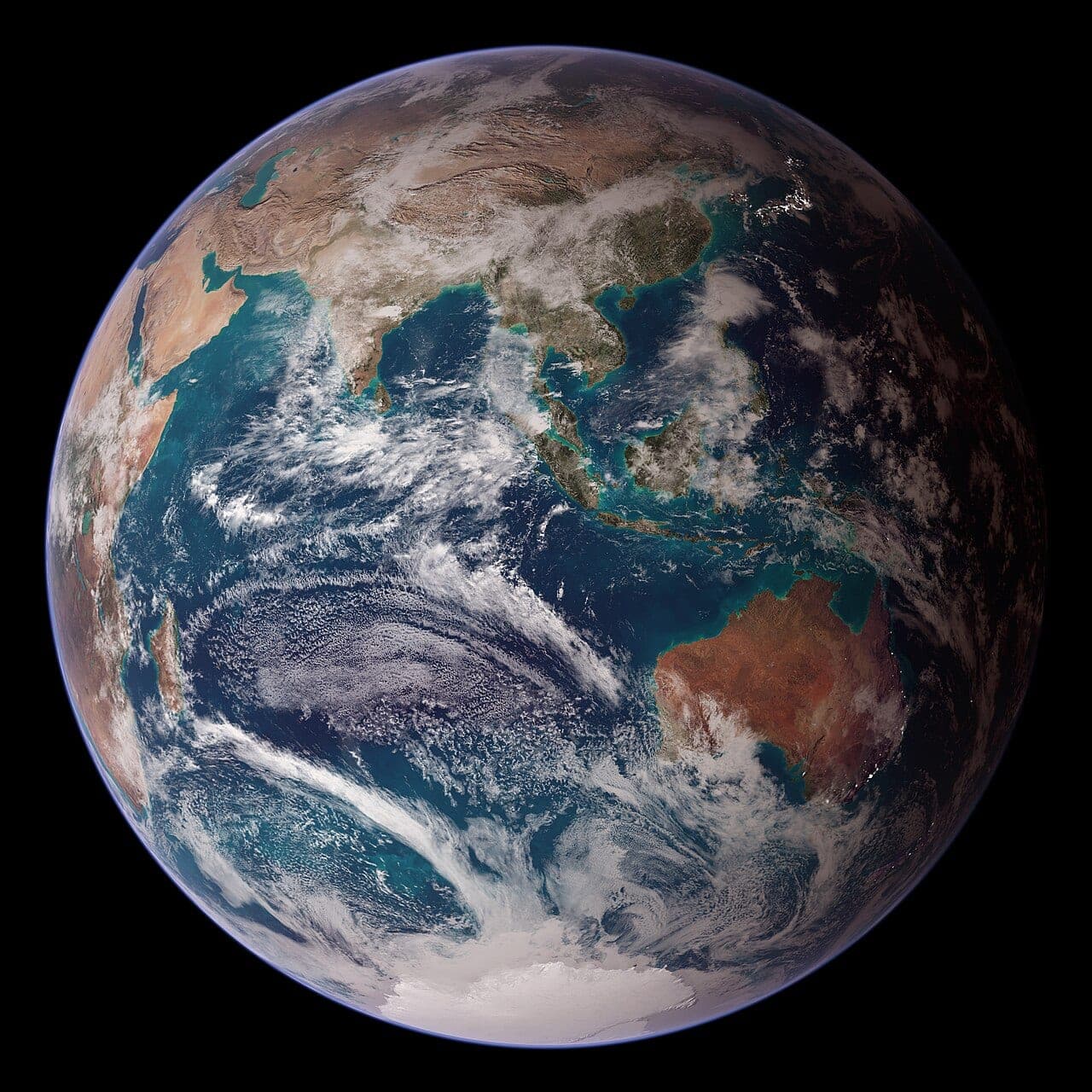
Planets generate magnetic fields through a dynamo, a process driven by moving fluids that can carry electric current far below the surface. In Earth's case, churning molten iron in the outer core, shaped by the planet's spin, produces a field similar to a bar magnet. Earth's main magnetic axis, or dipole, sits just 11 degrees away from its spin axis.
The ice giants look very different. The university puts the dipole tilt at 59 degrees for Uranus and 47 degrees for Neptune. NASA's account of the Uranus encounter, whose closest approach came on Jan. 24, 1986, describes a field that was inclined 55 degrees from the planet's axis and also offset from its centre. According to NASA, no other spacecraft besides Voyager 2 has ever reached either planet.
What the simulations suggest
Lead author Chi Yan, who works in UT's Jackson School of Geosciences as a research associate, said conditions in the planets' depths reach extreme pressures and temperatures. There, water molecules can break into ions, and the material "may become increasingly electrically conductive with depth."
Building on that assumption, the team modelled several possible interior structures, tracking how heat, flowing material and magnetism interact over time. The results indicate the fields might shift considerably over a few decades, meaning their present layout could differ from what Voyager 2 recorded.
Yan noted that Earth's tilt wanders only about a degree over 50 years. In the ice giant models, by contrast, some periods saw swings of tens of degrees within decades, while others showed little movement. ScienceDaily stressed that none of these shifts has actually been observed; they come solely from simulations.
Looking for evidence with Webb
Scientists are now examining infrared images from the James Webb Space Telescope, which records auroral glow at both planets. Tom Stallard, a Northumbria University professor who ran the Webb observing campaign and reviewed the paper, said the form of the auroras, together with unusual features in the ionosphere, should help reveal whether the fields have changed.
The researchers plan to bring together the Webb aurora data, the original Voyager 2 magnetic readings and their dynamo models to estimate today's field arrangement. They add that new missions to the ice giants will be needed to truly understand the interiors.
What exactly fills Uranus and Neptune is still unknown. Each is roughly four times as wide as Earth, and scientists suspect they hold large amounts of methane, ammonia, water, hydrogen and helium along with rock. The University of Texas Institute for Geophysics, NASA and the Science and Technology Facilities Council funded the study.
Sources
- ScienceDaily
- UT Institute for Geophysics
- NASA Science (Public domain (US government work))