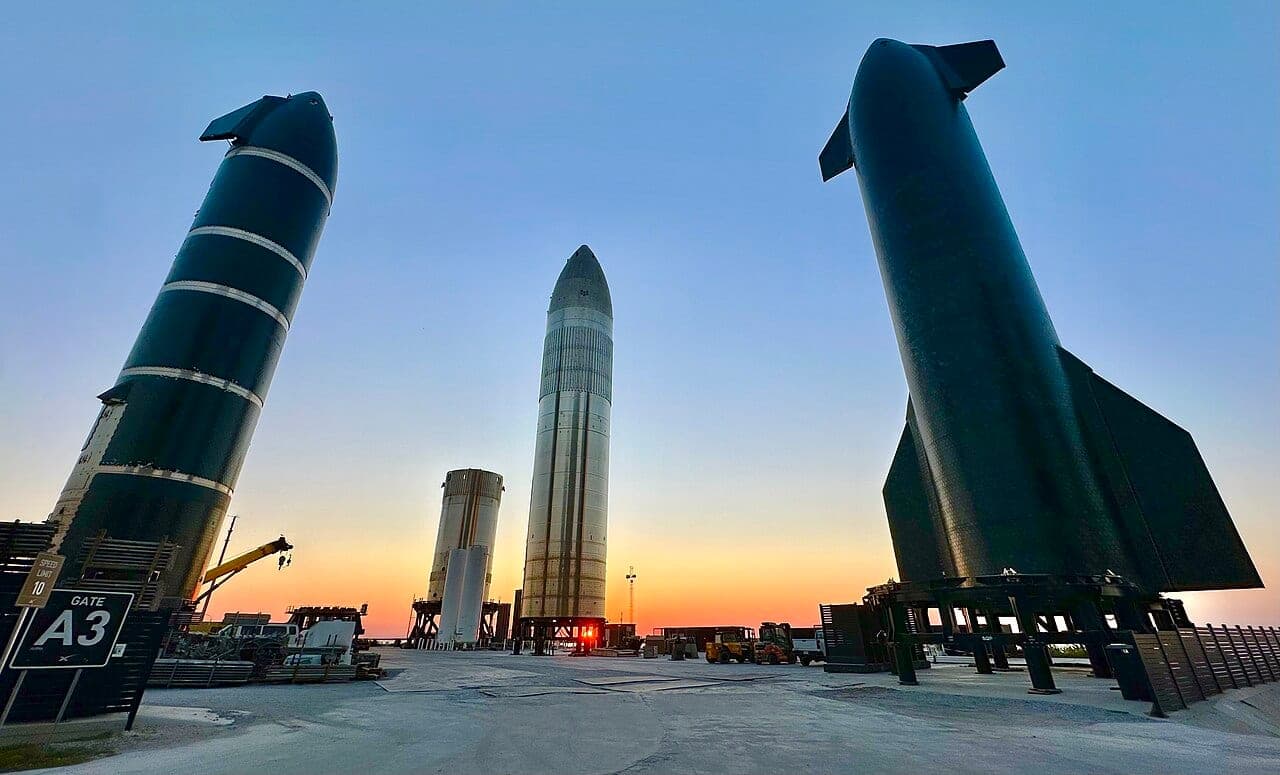
SpaceX launched its Starship rocket on November 13 after the US Federal Aviation Administration granted an updated launch licence, the last major regulatory approval before liftoff. The licence document, which was shared by NASASpaceflight.com, is a Commercial Space Transportation Licence (No. VOL 23-129, Rev 10.0) for Space Exploration Technologies Corp. It authorises launches and reentries of the Starship-Super Heavy vehicle, and states that it was issued and took effect on November 13, 2026. It was digitally signed by Ansel Collins, Manager of the FAA's Safety Authorization Division. The original licence was first issued on April 14, 2023.
The launch had been scheduled for no earlier than 4:45 p.m. Central Standard Time (22:45 UTC) at SpaceX's Starbase site in Texas, according to NASASpaceflight.com.
What the flight set out to do
According to CNBC, the test flight was SpaceX's first attempt to catch both the Super Heavy booster and the upper-stage Starship spacecraft at its launch site.
What happened to the booster
Early reports differ on the details. The BBC reported a setback for the double-catch test: SpaceX aborted the attempted catch of the booster, which instead came down in the ocean. Deutsche Welle reported that SpaceX had planned to catch and reuse both stages for the first time, but that the booster exploded over the Gulf of Mexico while the spacecraft continued into orbit.
This report will be updated as SpaceX and the FAA publish further details on the flight and on the condition of the booster and spacecraft.
Sources: licence document published by NASASpaceflight.com; reporting by CNBC, the BBC and Deutsche Welle.