An Indigenous woman from the Mollo community on Timor Island, in eastern Indonesia, has called on grassroots campaigners to protect their land without seeking anyone's approval. Her first-person account, published by Global Voices, coincides with Dialogue Earth's 20th anniversary of reporting on environmental issues. The views described below are her own.
A campaign against mining
The author says Mollo women confronted mining companies on Timor and describes herself as being on the frontlines. She points to an earlier protest in which Indigenous women spent months at the marble pits, quietly weaving, until the mines had to close. According to her account, the effort succeeded because men and women stood together, convinced that wrecking the environment would end their culture, their health and their future.
Climate worries and the stunting debate
For generations, she writes, Mollo people forecast harvests by reading the sky and the wind, but climate change has made that harder. She says that during the past three years, abrupt downpours and long droughts on Timor have left farmers uncertain about planting times, and they fear food shortages.
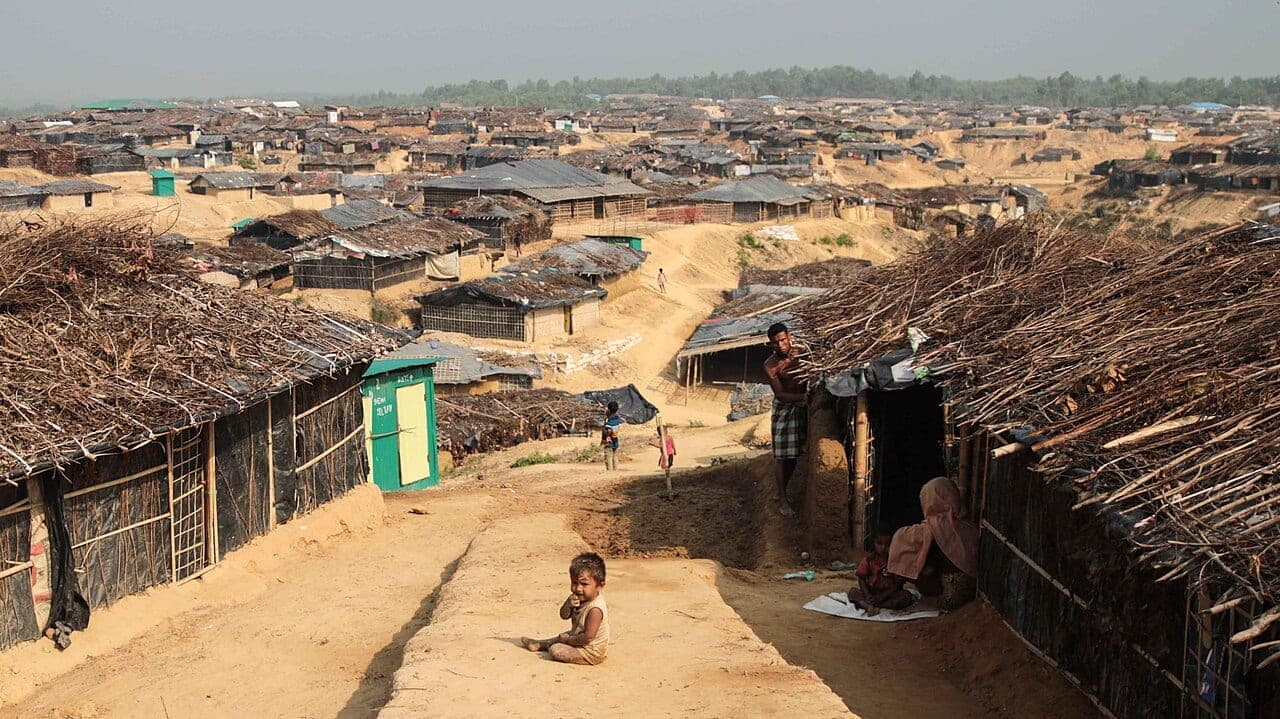
She argues that debate over stunting in children focuses only on food policy and programmes. In her view, the condition reflects environmental damage as well as poor nutrition, because healthy people depend on fertile soil, which large mines and plantations on Indigenous land undermine. She says she is not against development, only against projects that harm nature and take away Indigenous rights, and she accuses the state of putting money and narrow interests ahead of people.
A message on leadership
Despite feeling exhausted, she says she never considers quitting, because outsiders can damage the land and leave while local people must stay. She calls on women to step up, saying leadership means uniting people for collective action. No party membership or election is needed, she argues; rallying two, three or 10 people for work that serves the public and protects the Earth is enough.
She tells young people not to waste time on things that do not protect the Earth and to learn from nature, which she says supplies the economy, food, health and education. She also asks governments to conduct thorough assessments and heed residents. Her advice to activists in Southeast Asia and beyond: "never wait for permission to defend your home."
Sources
- Global Voices (CC BY 3.0)