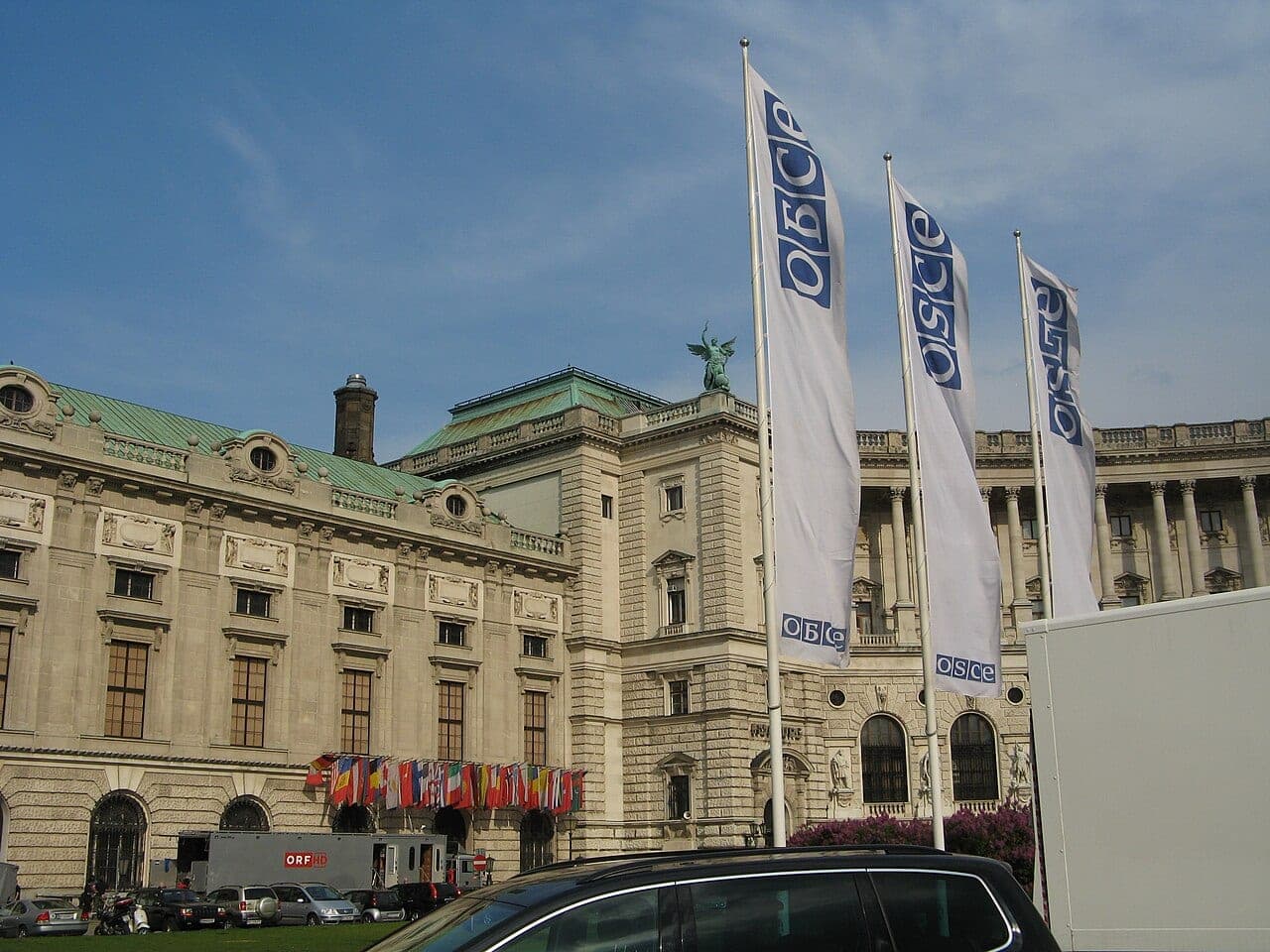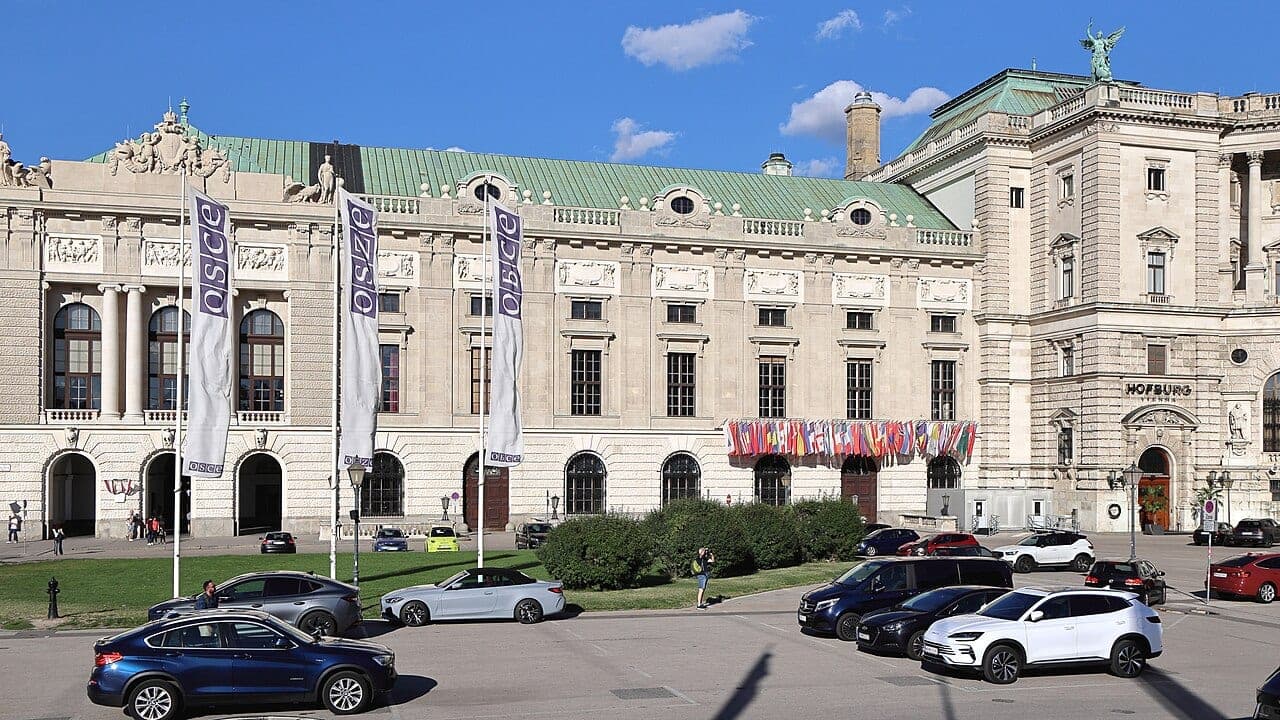
Russia negotiated, signed and benefited from Europe's post-war security agreements before breaking them, UK Ambassador Holland told the Organization for Security and Co-operation in Europe (OSCE), according to the text of the statement published by the British government. In his view, the system itself has not failed. Instead, he said, Russia has made a repeated choice to breach it.
A response to Moscow's historical arguments
The statement answered remarks made at the OSCE the previous week. According to the UK text, Russia had pointed to the invasions of its territory in 1812 and 1941 as proof of attacks from Europe and of its need for protection. Holland said Europe learned from the devastation of war and built a system meant to protect every state, Russia included.
The agreements Holland listed
Holland said Russia had repeatedly breached the 1945 UN Charter, which forbids states from threatening or using force against another country's territorial integrity or political independence. He said it had also broken the 1975 Helsinki Final Act, in which Russia accepted sovereign equality, inviolable frontiers and the peaceful settlement of disputes. He added that the 1990 Charter of Paris committed signatories to a Europe "whole, free and at peace", whereas Russia now claims a right to decide its neighbours' choices.
On arms control, Holland said that in 1990 Russia put its name to the Treaty on Conventional Armed Forces in Europe. By his account, Moscow suspended implementation in 2007 and withdrew in 2023. He said it restricted Open Skies flights over Kaliningrad and close to Abkhazia and South Ossetia, then left that treaty in 2021. Under the Vienna Document, he said, Russia declined to explain its military build-up before the full-scale invasion and later stopped giving required annual information on its forces.
Holland said Russia signed the Budapest Memorandum in 1994, pledging to respect Ukraine's borders and refrain from force. In 2014, he said, Moscow took Crimea and stoked fighting in the Donbas, and in 2022 it launched a full-scale invasion. He also said that, despite commitments made at Istanbul in 1999, Russian forces remain in Georgia and Moldova without their governments' consent.
Rejection of Nazism rhetoric
Holland condemned Russia's repeated use of the language of Nazism as factually baseless. He said it was used to vilify Ukraine, smear other participating States and justify aggression, and that it disrespects victims of Nazi repression. According to Holland, Moscow's definition of Nazism appears to extend to anyone who challenges Russian control over historical memory. He said the Kremlin has spent decades cultivating that narrative together with a foundational myth that casts the Second World War as a military and moral triumph for the Soviet Union, and therefore for Russia.
Holland concluded that Europe needs neither Russia's "selective lessons in history" nor a new security order built around spheres of influence. What it does need, he said, is for Russia to respect the commitments it made.