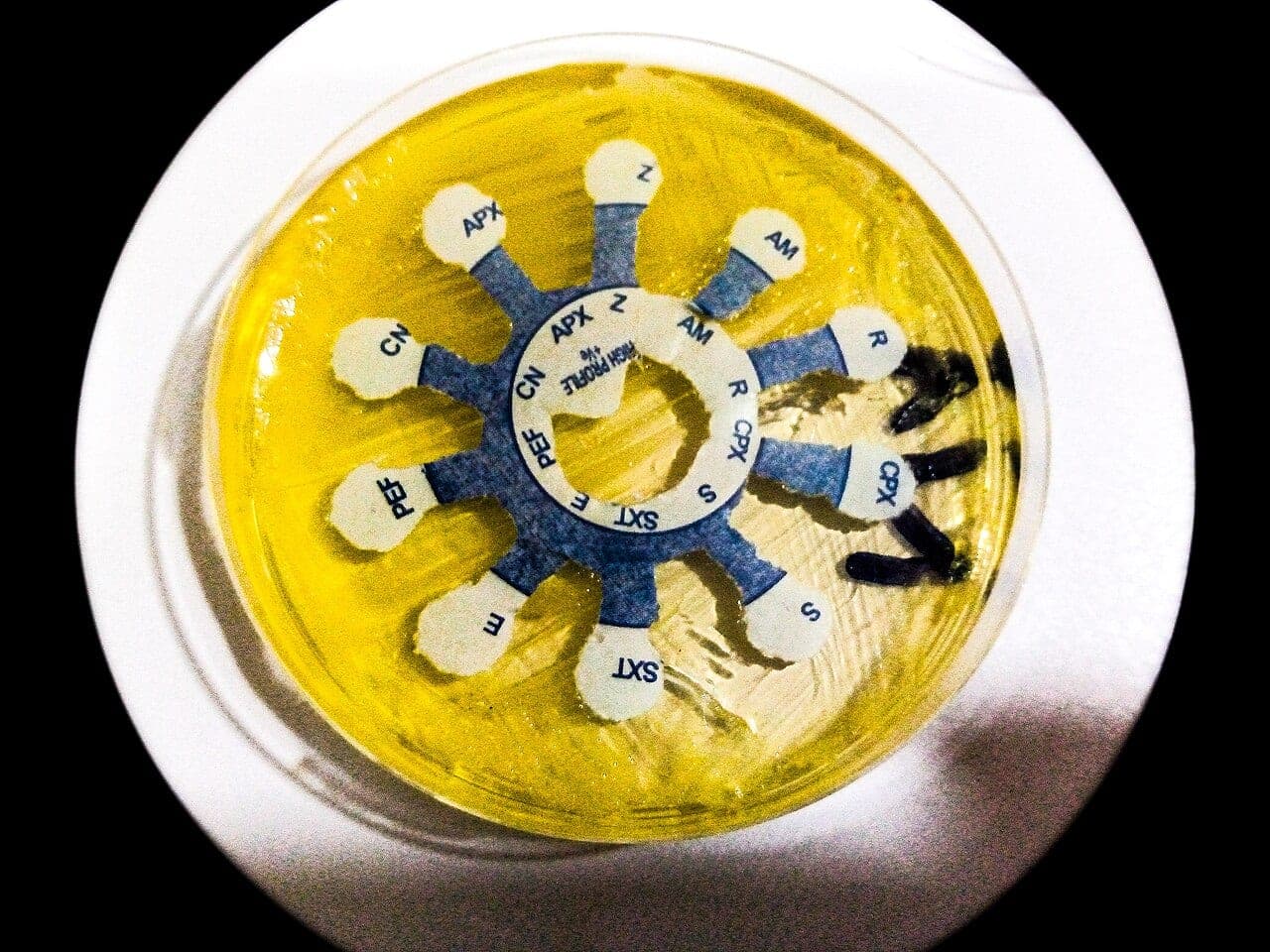
The Animal and Plant Health Agency (APHA) marked World AMR Awareness Week, held from 18 to 24 November 2026, by setting out its work on drug-resistant microbes in animals, according to a GOV.UK statement. The World Health Organization set this year's theme as "One Health, one action: Prevent AMR now". APHA explains that when resistance develops, infections become harder or impossible to treat, and that people and animals face a greater chance of spreading disease, becoming seriously ill or dying.
Surveillance and laboratory partnerships
APHA said it has continued surveillance of resistance in animals in Great Britain and shared the data with veterinarians, farmers and industry. It leads the farm animal stream of the Private Laboratories Initiative, a government programme that gathers resistance data from diagnostic tests by private veterinary labs that would otherwise go unrecorded nationally. By July 2026, 26 of more than 40 identified private laboratories across the UK had joined. According to APHA, the Veterinary Medicine Directorate coordinates the scheme, and money for it comes via the Cabinet Office's Integrated Security Fund.
APHA also remains a reference laboratory for the World Organisation for Animal Health and the Food and Agriculture Organization. It works with Cefas and the Veterinary Medicines Directorate on training and advice for low- and middle-income countries in Africa and Asia. The Fleming Fund, which supported seven years of that work, formally concluded in March 2026, though APHA says the reference centre's work continues.
Checking imported raw pet food
An APHA blog dated 18 November describes a new project, AMRBioBorders, funded through the Integrated Security Fund and delivered with the Veterinary Medicines Directorate. It asks whether imported raw meat destined for raw pet food could carry resistant bacteria and resistance genes into the UK. APHA says imported raw meat is not currently covered by routine resistance surveillance at the border.
Staff at selected ports are collecting samples, and APHA scientists use metagenomic sequencing, which reads genetic material from many microorganisms at once. The blog cites a Food Standards Agency survey of 380 raw dog and cat food samples, in which pathogenic bacteria turned up in 35%. APHA says the project is just beginning and it does not yet know what the samples will show.
Violet-blue light against Campylobacter
A separate APHA blog, dated 3 November, reports work with the University of Reading on violet-blue light as a way to cut Campylobacter contamination. APHA says about 70,000 UK cases of the bacterial food poisoning are diagnosed each year, probably an undercount. All 64 samples tested, covering three Campylobacter species, were susceptible to the light, including antibiotic-resistant ones. After 15 repeated exposures, researchers saw no detectable rise in tolerance, though APHA notes this does not rule it out. It adds that further research is needed in real poultry-processing settings.