A new NASA film, "The Europa Concept," tells the story of the engineers and scientists who turned a proposed mission to Jupiter's moon Europa into a working spacecraft. The agency said viewers can stream it starting Monday, Nov. 23, through NASA+, the agency's app or its website, and that a YouTube version is on the way.
Where the spacecraft is now
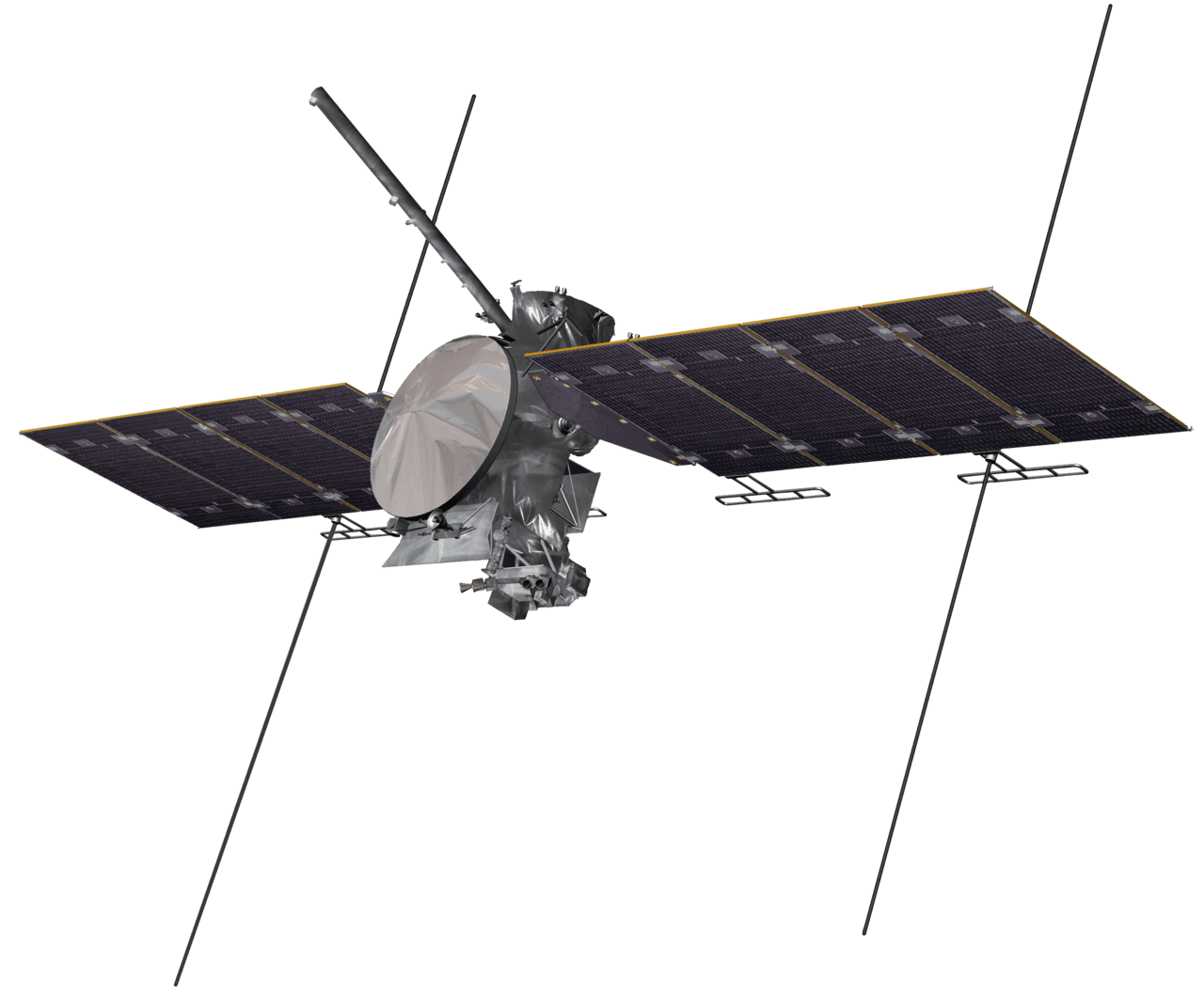
Europa Clipper, which NASA calls the biggest orbiter it has ever launched toward deep space, left Kennedy Space Center in Florida on Oct. 14, 2024, riding a SpaceX Falcon Heavy. According to NASA, it has completed about two years of a voyage expected to last five years and span 1.8 billion miles (2.9 billion kilometers). NASA Science lists 2030 as the year it arrives at Jupiter.
Once in orbit around the giant planet, the craft is set to devote roughly a year to adjusting its course before its initial close pass of Europa. A roughly three-year campaign of repeated passes follows, nearly 50 in all, according to NASA Science.
Why scientists want to go
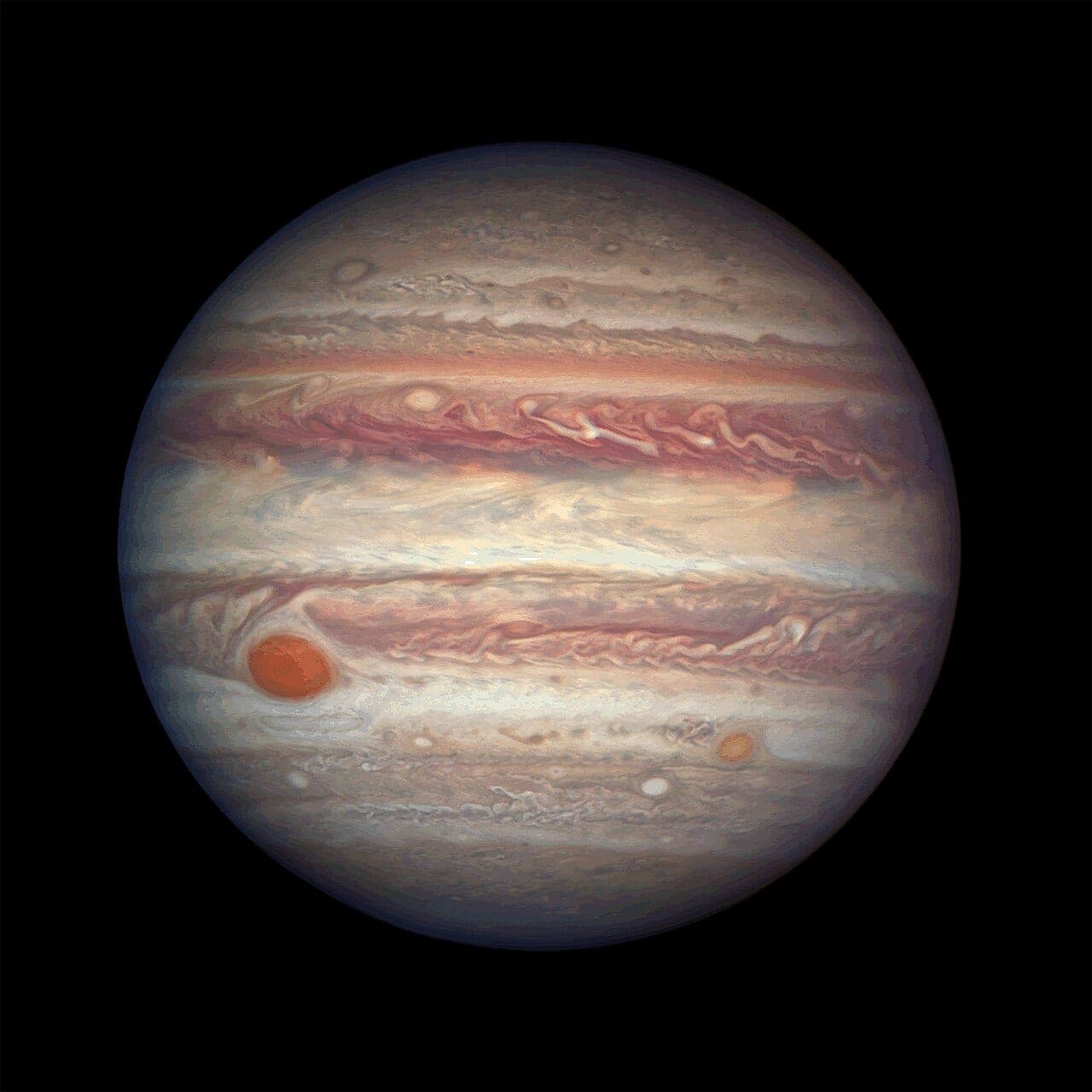
The flybys are intended to learn whether any spots under Europa's crust might be capable of hosting life. NASA says a vast ocean is thought to be concealed beneath the moon's frozen exterior. The agency also notes that the intense radiation produced by Jupiter's strong magnetic field might have played a part in making Europa potentially habitable.
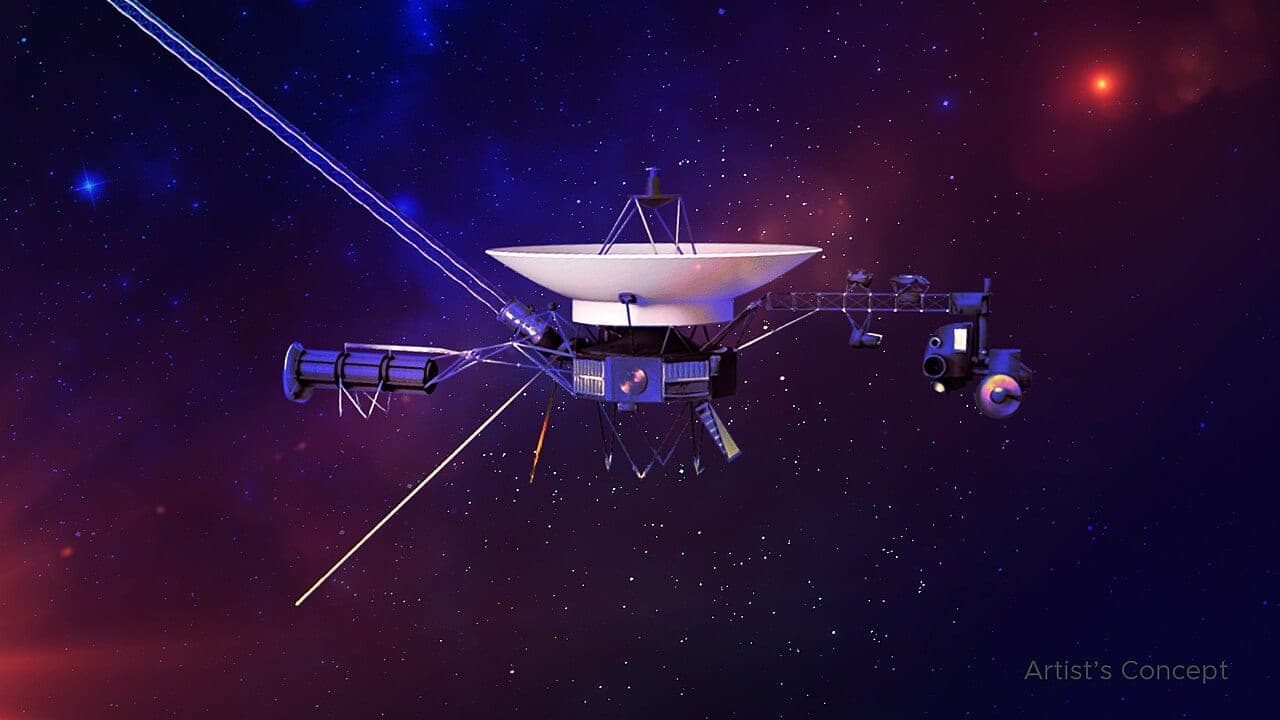
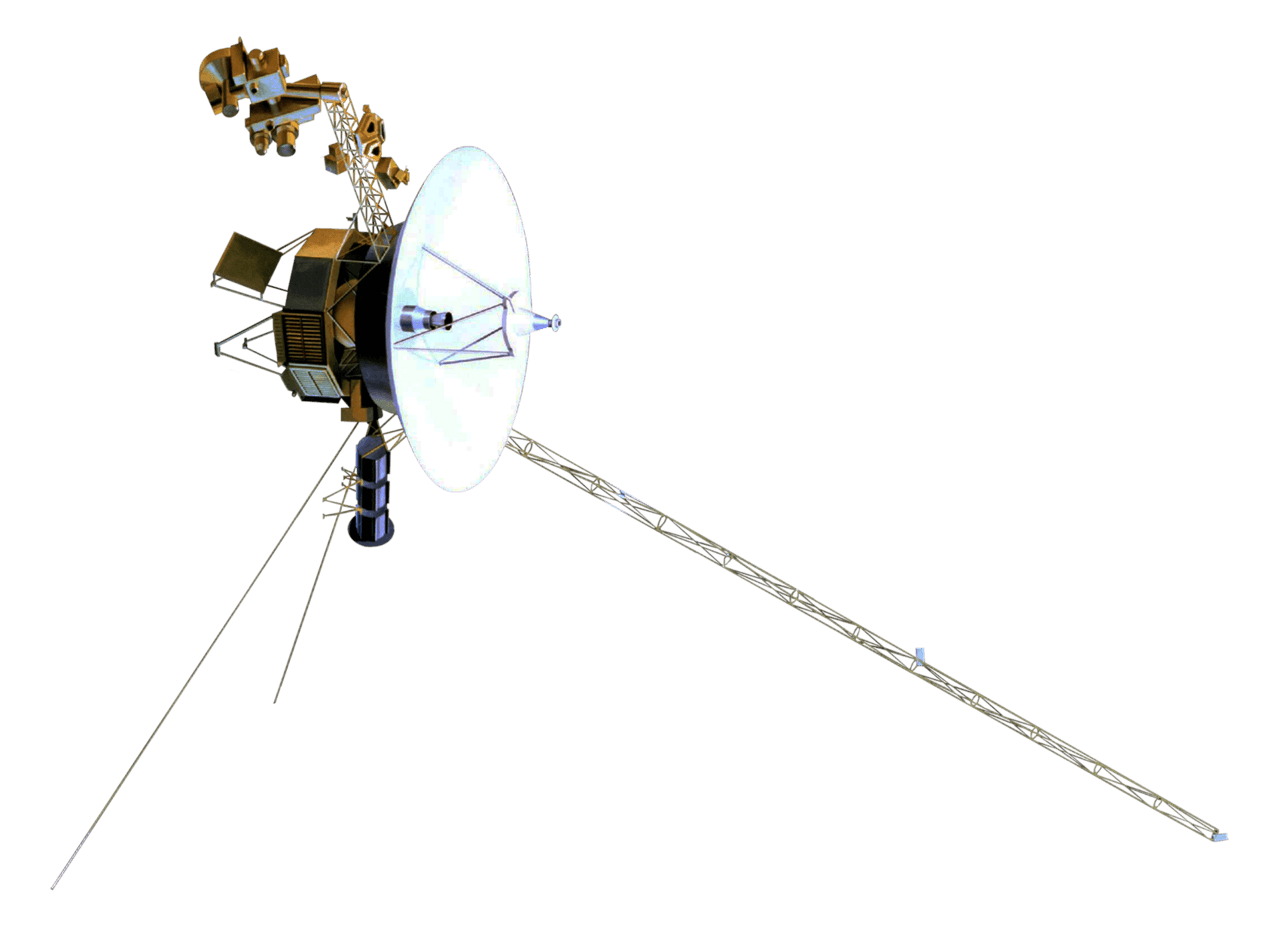
Galileo Galilei first spotted the moon in 1610, but NASA says meaningful data only started arriving with Pioneer 10 in 1973 and Pioneer 11 a year later. Voyager 1 supplied the earliest close-up view when it flew by in 1979, and Voyager 2, Galileo, Cassini and Juno each added sharper glimpses that paved the way for the current mission.
Curt Niebur, a program scientist in the Planetary Science Division at NASA Headquarters, was emphatic about the payoff: "The things we will learn from Europa Clipper will be so sensational, so fantastic, that everyone will be screaming for the next mission." What counts most, he added, is learning enough to want to repeat the effort elsewhere, which he described as the essence of exploration.
Building a craft for harsh conditions
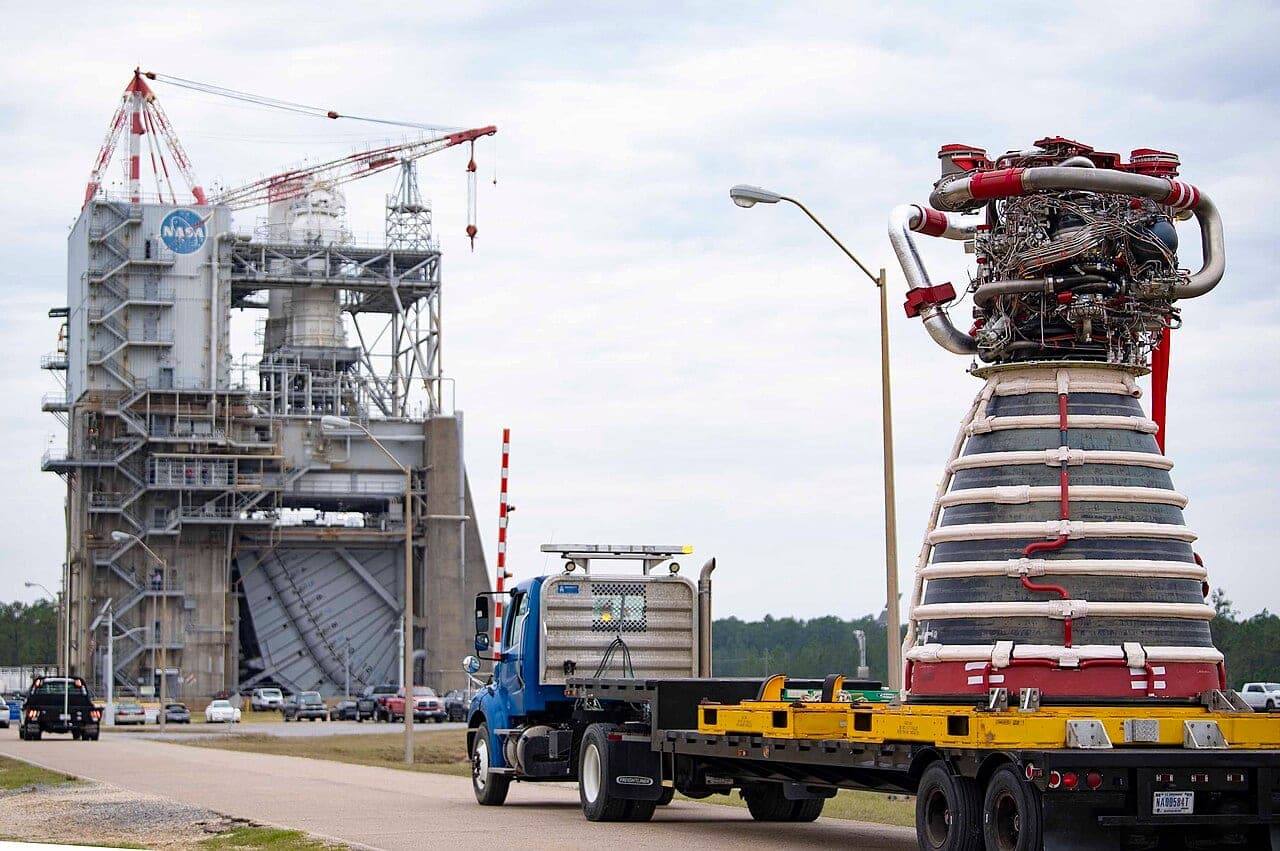
The documentary shows the team designing the mission and producing a spacecraft built to endure among the harshest radiation zones anywhere in the solar system. NASA's Jet Propulsion Laboratory in Southern California formally started work in 2013, beginning 11 years of effort to finish the spacecraft and its nine science instruments before a narrow window set by planetary positions closed. Obstacles nobody had anticipated included a global pandemic and, in the days before launch, tornadoes and a Category 5 hurricane close to Kennedy.
Jordan Evans, JPL's director of flight projects and formerly the mission's project manager, said the film honors the "ingenuity, teamwork, and dedication" of those involved. Caltech manages JPL, which leads development alongside the Johns Hopkins Applied Physics Laboratory; APL designed the spacecraft's main body with JPL and NASA's Goddard, Marshall and Langley centers.
Sources
- NASA (Public domain (US government work))
- NASA Science (Public domain (US government work))
- NASA+ (Public domain (US government work))