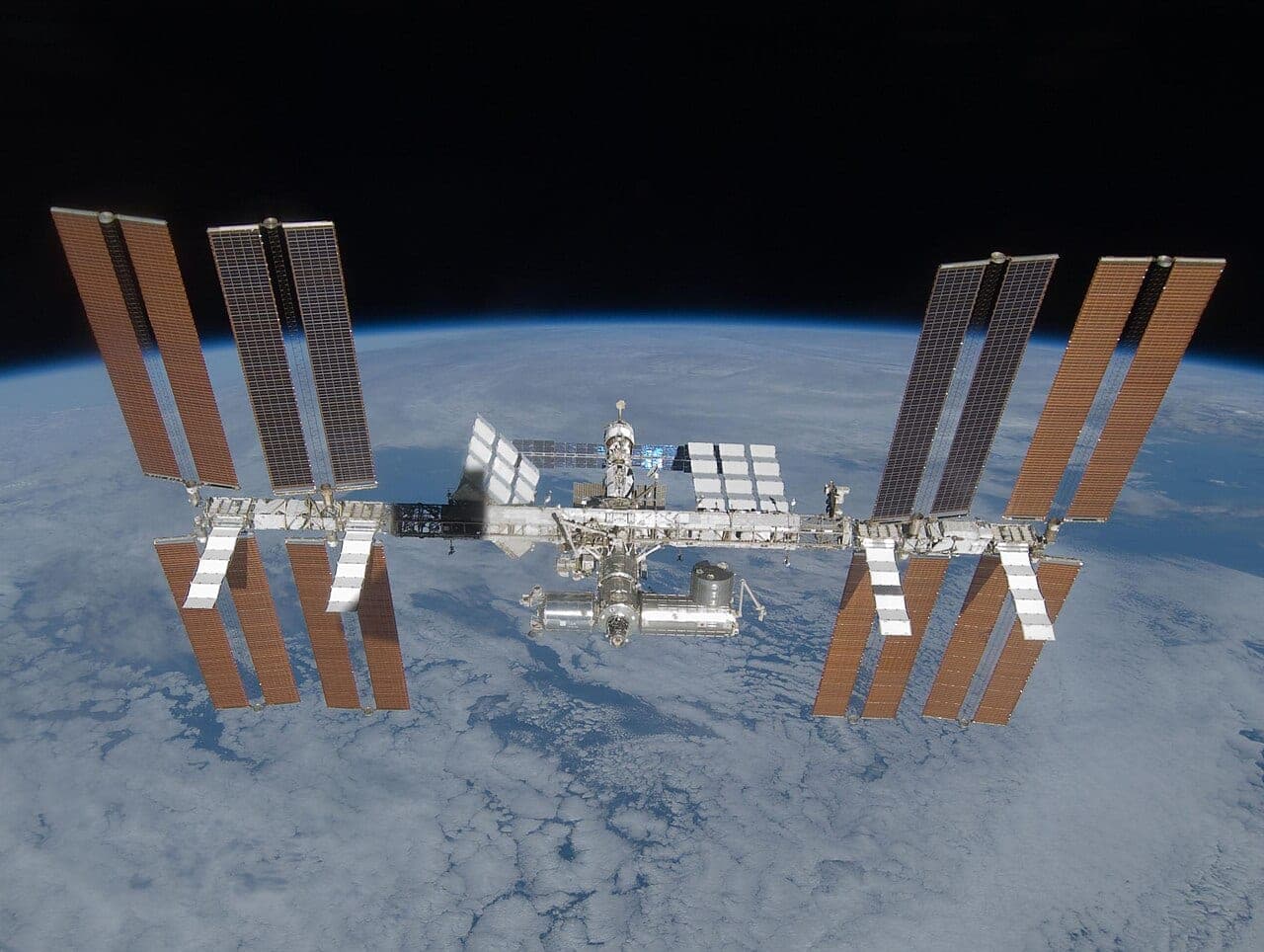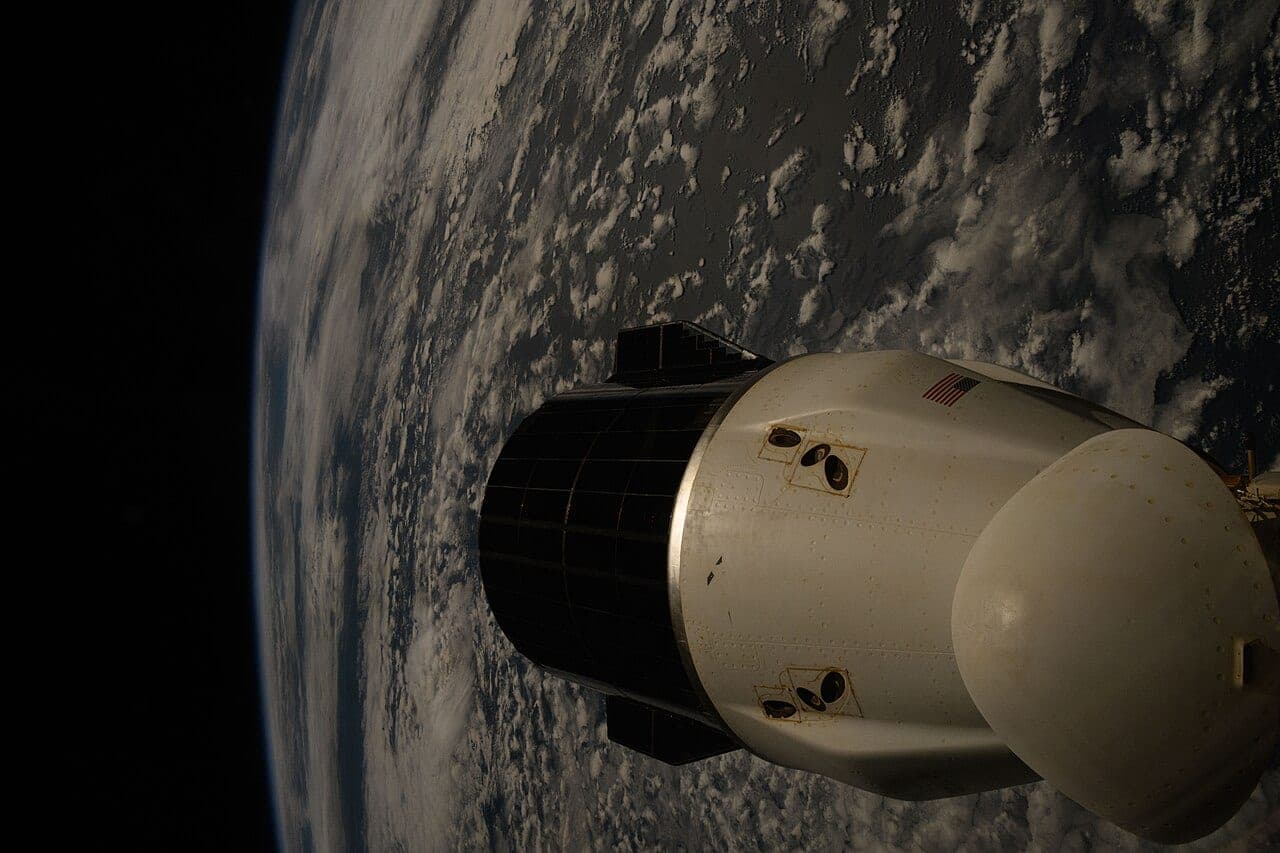
A SpaceX Dragon cargo spacecraft is set to bring scientific samples and equipment back to Earth from the International Space Station. NASA says the spacecraft will leave the orbiting laboratory no earlier than Wednesday, Nov. 18, ending the agency's SpaceX 35th commercial resupply services mission.
What is coming back
According to NASA, thousands of pounds of cargo are returning. The shipment includes frozen tumor organoids that were treated in orbit. The agency says studying them could point toward better cancer therapies and more personalized medicine. Researchers will also receive frozen microbial samples, which are meant to show how bacteria resistant to antibiotics survive, adapt and evolve in space.
Scientists used a 3D-bioprinted blood vessel construct, also in the shipment, to investigate cardiovascular disease and vascular aging. A lighting system that has been aboard for more than three years is coming home as well. NASA said researchers tested whether it could help astronauts sleep and stay well over long missions.
Crew packing
NASA's space station blog shows that Expedition 75 crew members spent the days before departure stocking the spacecraft. On Monday, according to the blog, NASA's Anil Menon and Joshua Kutryk of the Canadian Space Agency took samples from finished experiments out of the station's science freezers. They placed the samples in portable freezers and then loaded those aboard Dragon. After lunch on Tuesday, Menon worked with fellow NASA flight engineers Luke Delaney and Jessica Watkins to move more science hardware into the cargo craft.
Departure and splashdown
NASA said undocking from the Harmony module's space-facing port is planned for 11:05 a.m. EST, weather permitting. SpaceX ground controllers in Hawthorne, California, will send the command that releases the spacecraft. The agency's live broadcast of the departure is due to start at 10:45 a.m.
The target for splashdown off the California coast is no earlier than 1:50 a.m. EST on Thursday, Nov. 19, or 10:50 p.m. PST on Nov. 18. NASA and SpaceX are watching weather forecasts, and the agency said plans may shift depending on conditions in the recovery area. It will share updated timing when it can. NASA will not broadcast the splashdown and said it will post updates on its space station blog instead.
Mission background
Dragon has been attached to the station since Oct. 15, according to NASA. A Falcon 9 rocket launched it two days before its arrival, lifting off from Space Launch Complex 40 at Florida's Cape Canaveral Space Force Station. On the way up, the spacecraft carried more than 6,300 pounds of equipment, crew supplies and science investigations.