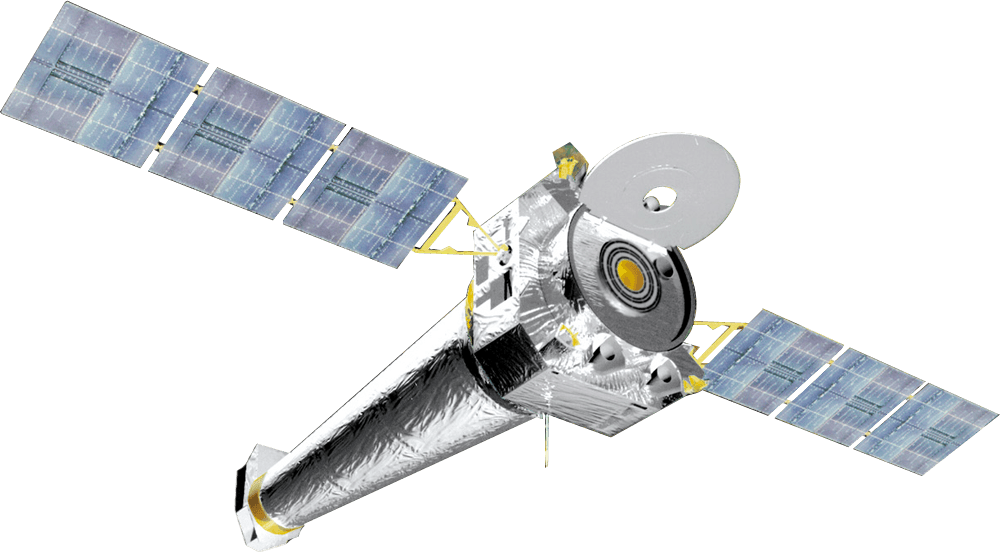
NASA announced in a status update dated November 17, 2026 that NICER, the Neutron star Interior Composition Explorer, has finished its science operations aboard the International Space Station. According to the agency, the X-ray telescope kept observing for six and a half years after its original mission period ended.
A motor fault in 2025
The trouble began in June 2025, NASA said, when NICER abruptly lost the ability to pan sideways beyond the orientation it held at the time. That restricted how well it could follow objects in the sky. A June 24, 2025 update stated that the team stopped operations on June 17, once degraded performance in one of the tracking motors started to affect observations.
Cameras operated robotically on the station's exterior photographed the telescope, and NASA said those pictures helped rule out causes outside the instrument. Following lengthy investigation, engineers now believe a motor inside the telescope has broken down, which restricts its movement.
In an August 5, 2025 update, NASA said the current position posed no safety concern for the station or its crew. Its main aim then was to put NICER into a stowed configuration in case station activities required it, and the team could not say when science might resume.
What comes next
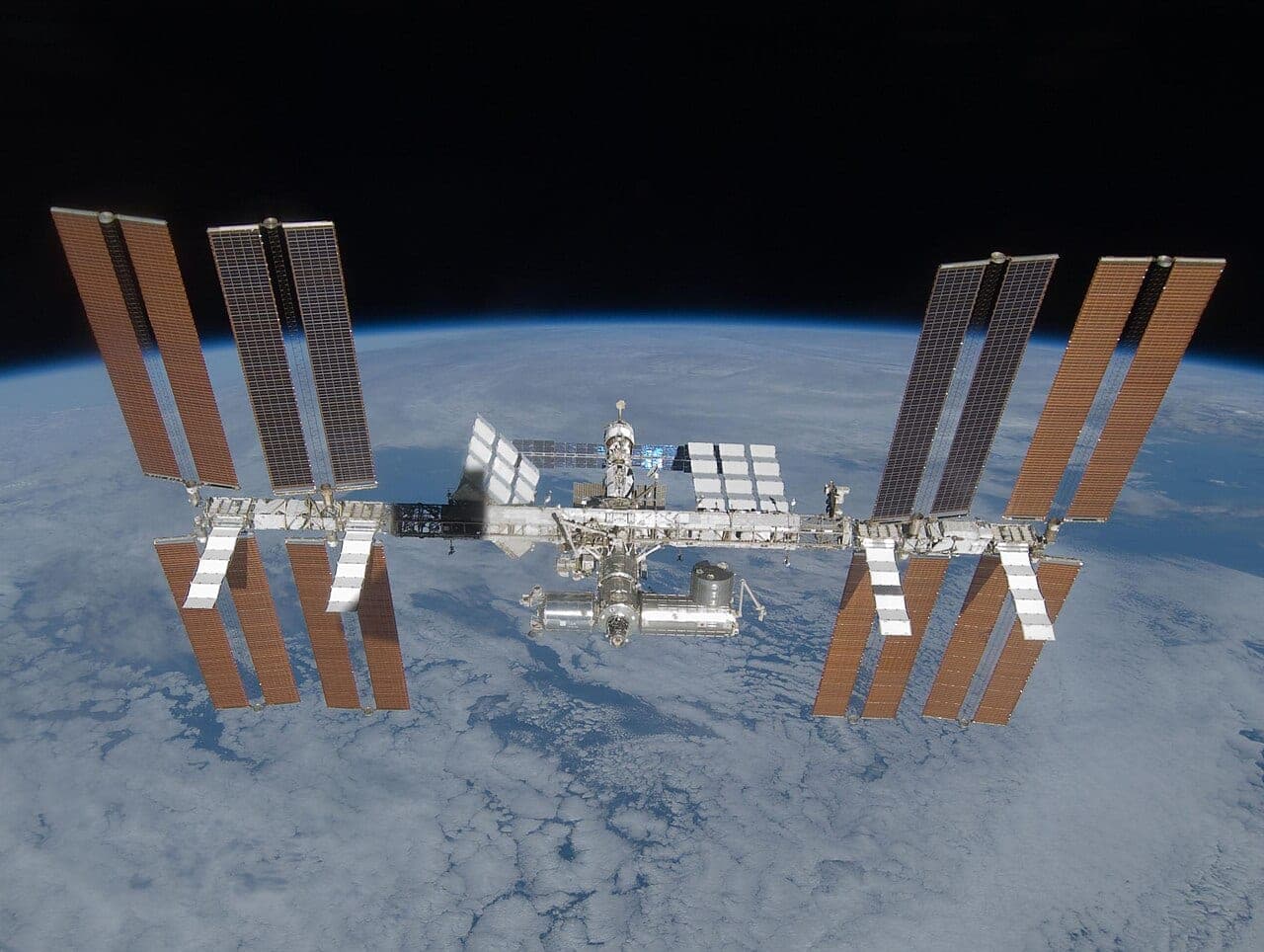
Mission and station teams are now concentrating on completing NICER's 8-year archive of its X-ray observations, according to NASA. After that, the telescope will be decommissioned and detached from its location close to the station's starboard solar array.
The telescope's record
NICER launched in 2017 with an 18-month prime mission. NASA credits it with pioneering measurements of neutron stars, whose interiors hold the most compact matter scientists are able to measure, and with transforming scientific understanding of black holes and active galaxies. By June 2023, NASA noted, over 300 scientific papers had drawn on its data.
The agency also said NICER demonstrated the potential for spacecraft to navigate using X-ray pulsars, an approach that might serve trips to Mars and farther. Technology created to test the instrument before launch is being built into prototype materials analysis systems, portable CT scanners and other uses, NASA said.
Earlier repair work
NICER had already weathered a different problem. In May 2023 unwanted sunlight began entering the instrument through damaged thermal shields. NASA astronaut Nick Hague installed nine patches over the largest damaged areas during a spacewalk on Jan. 16, 2025. After a detector reconfiguration finished March 12, NASA said, NICER was once more able to observe for over 70% of the station's daytime hours.
Sources
- NASA (Public domain (US government work))
- NASA Science (Public domain (US government work))
- NASA Science (Public domain (US government work))
- NASA (Public domain (US government work))
- NASA Science (Public domain (US government work))
- NASA (Public domain (US government work))