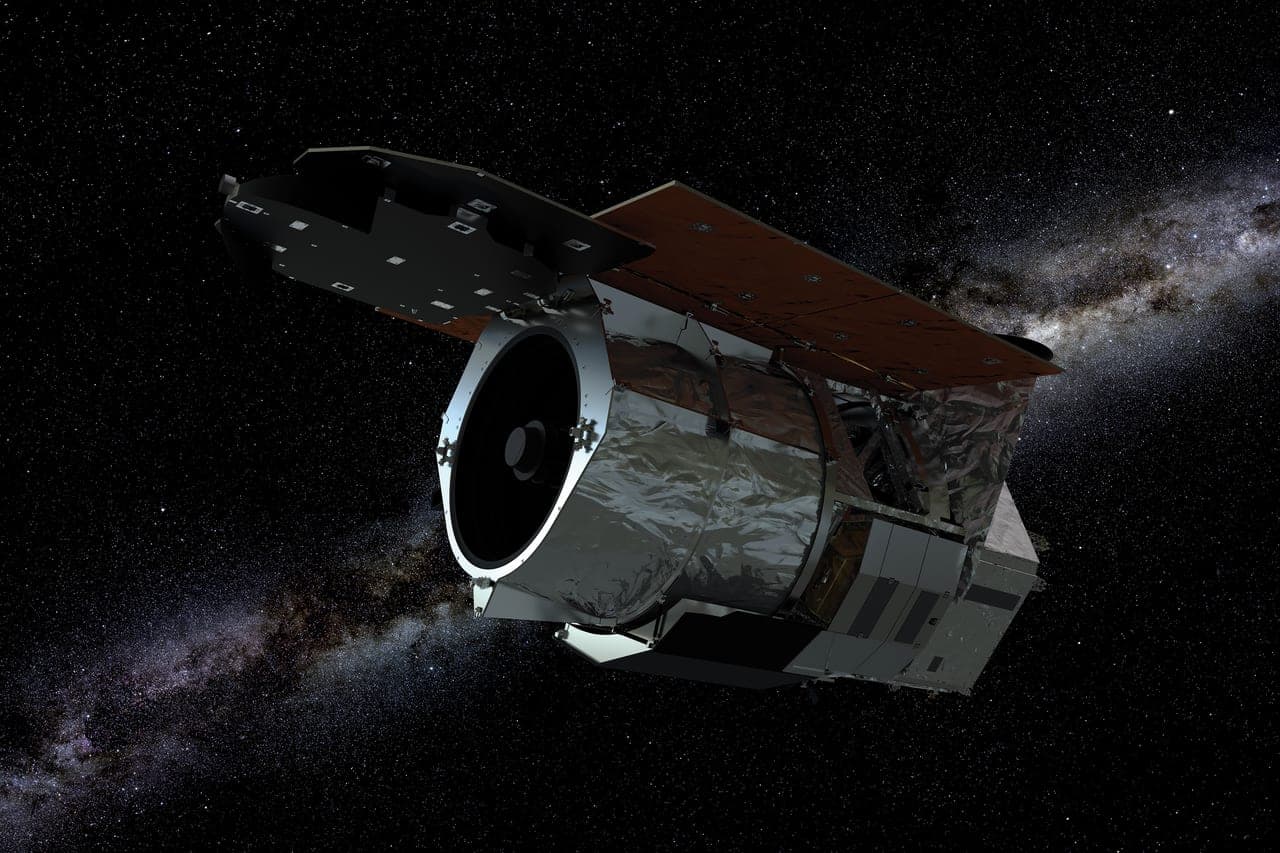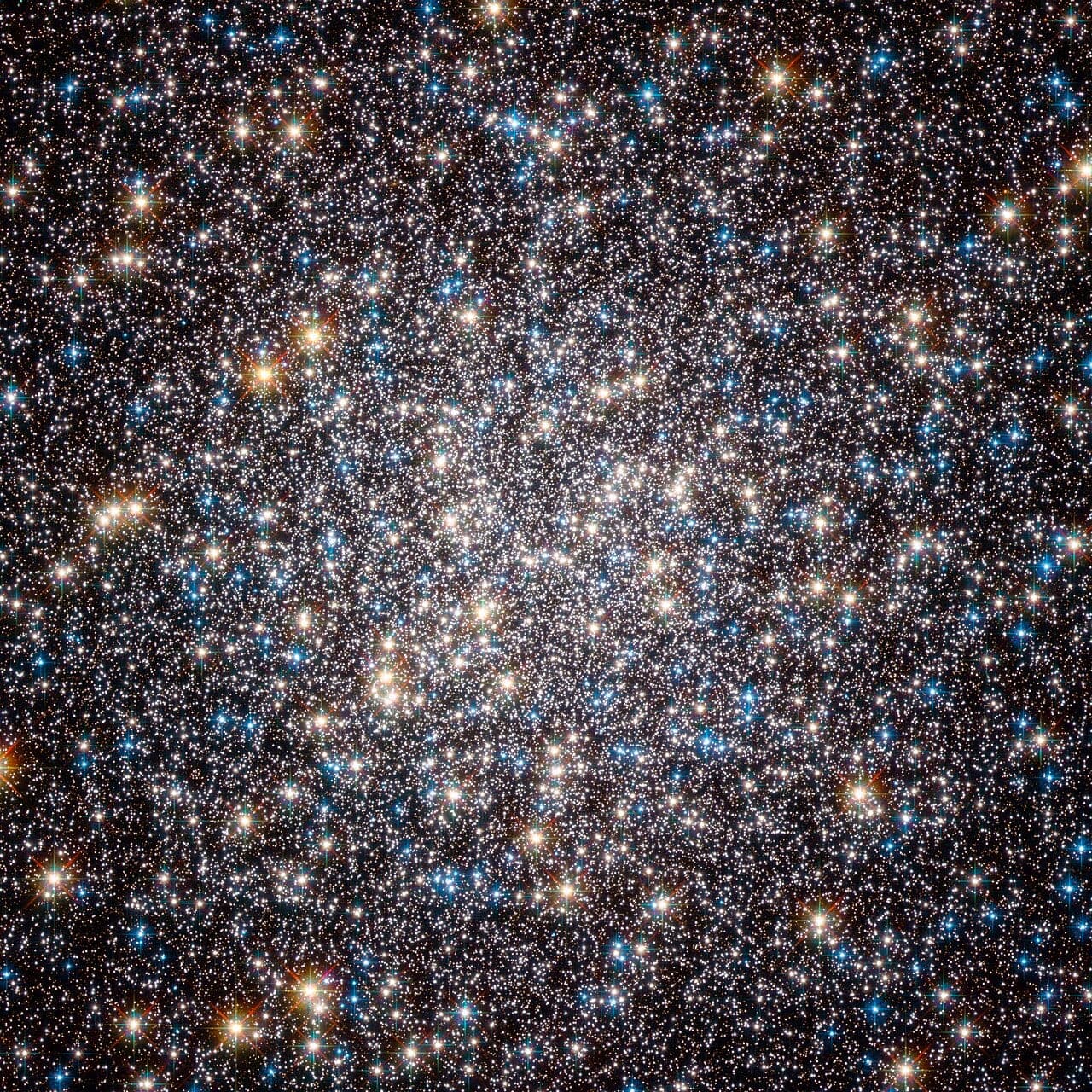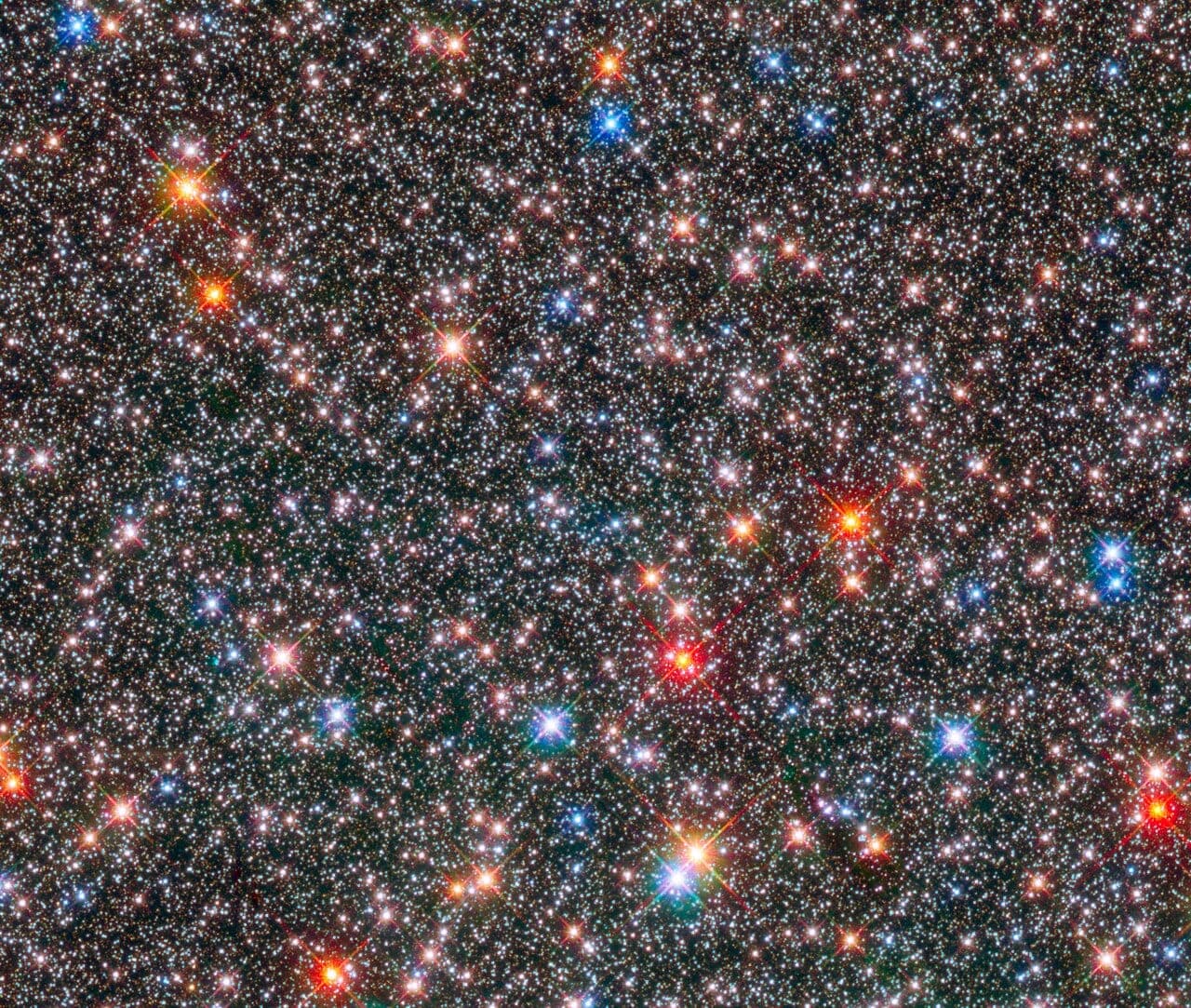
Astronomers preparing for NASA's Nancy Grace Roman Space Telescope now have a reference picture of one of the most crowded parts of the Milky Way. NASA has published Hubble Space Telescope images of a star-filled patch of sky toward the galactic bulge. The agency says the images were gathered so that researchers can read Roman's later observations of the same stars with more confidence.
A baseline for future lensing events
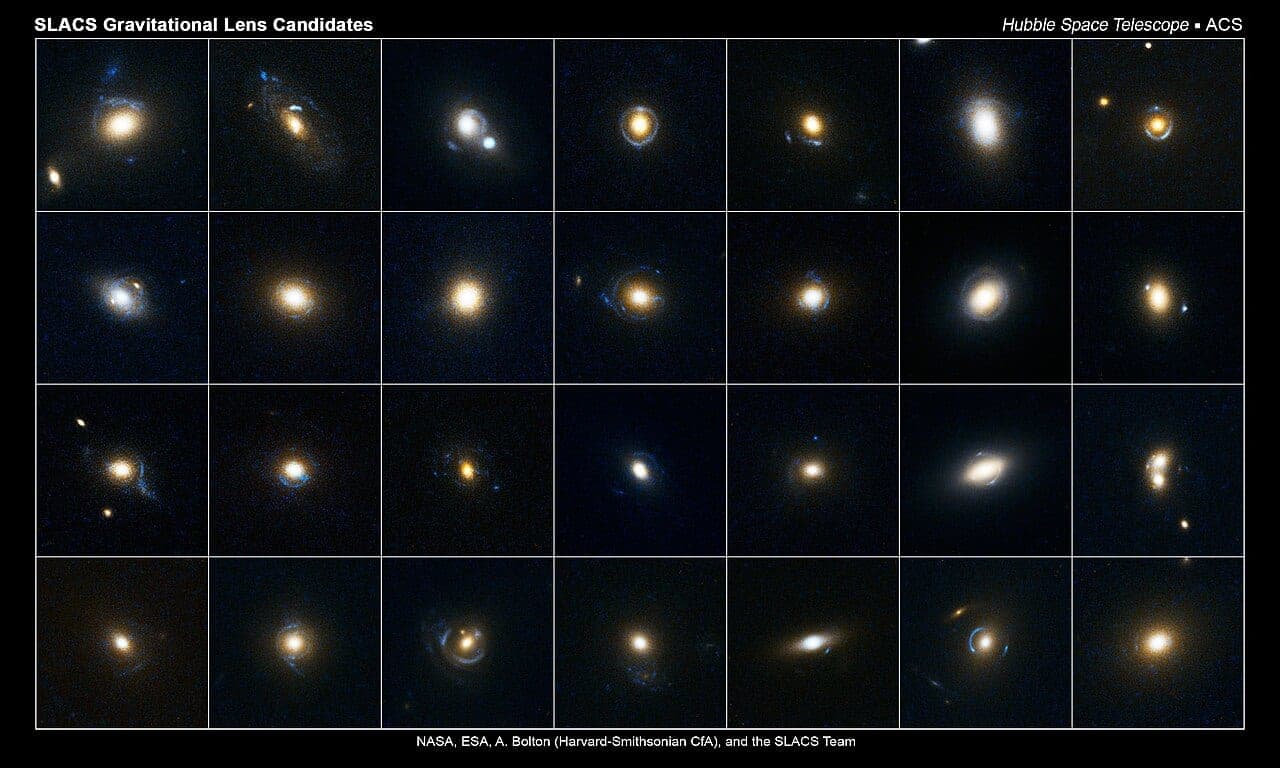
The images matter because of when they were taken. Roman is set to hunt for exoplanets by catching microlensing events. In these, the mass of a nearer object bends and brightens the light of a more distant star sitting behind it. This is a form of gravitational lensing, but it plays out at the scale of individual stars and planets, much smaller than the lenses formed by whole galaxies or galaxy clusters. According to NASA, the exact way the background light is warped can hint at what the foreground star is like and whether it has planets.
Hubble's job is to document these stars before any lensing begins. Roman may detect an event months or years from now. Scientists will then be able to set the earlier Hubble measurements beside Roman's, a comparison NASA says should make the events easier to interpret.
Matching wavelengths
Such a comparison only works if the two telescopes see similar light. NASA notes that Hubble observes mostly in ultraviolet, visible and near-infrared light. Roman, by contrast, will gather near-infrared light and only part of the visible range. For this survey, Hubble therefore concentrated on the zone where the two overlap: near-infrared and the reddest portion of visible light.
The agency adds that Hubble's sharp resolution lets its instruments gather data over time on the brightness, ages, composition and motion of stars. Astronomers can use that information to look for possible exoplanets and to locate black holes or dark matter. It also helps them learn more about the galaxy's environment and evolution.
Why the bulge
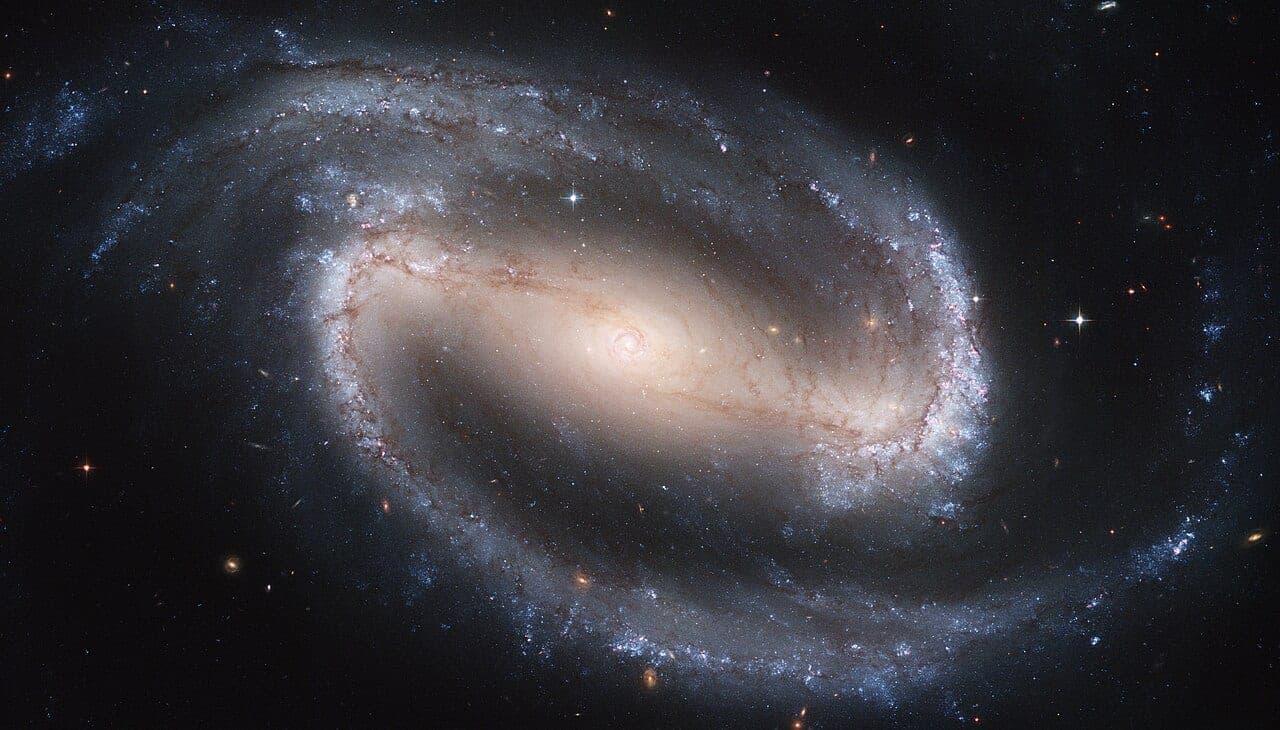
A galactic bulge is the dense, roughly spherical swarm of stars that encircles the centre of a galaxy's disk. NASA says the Milky Way's bulge contains nearly a quarter of the galaxy's stellar mass. Because it is close by, astronomers can study it in finer detail than the bulges of other galaxies. Those appear only as a glow, since they are too distant and crowded for single stars to be distinguished. According to the agency, researchers hope the work will turn up new planets and clarify how galaxies form, change and interact across billions of years.
Part of a long record
Hubble has returned to the bulge many times during its career, and earlier programs used different instruments for different goals. The WFC3 Galactic Bulge Treasury Program relied on Wide Field Camera 3 to track the brightness, exact positions and movements of stars. A separate effort, the Sagittarius Window Eclipsing Extrasolar Planet Search (SWEEPS), used the Advanced Camera for Surveys to examine 180,000 bulge stars.
The latest images come from observing program #17776, listed under S. Terry. NASA says the program was designed to support Roman as it searches for exoplanets, black holes, neutron stars and other objects.
Sources
- NASA Science (Public domain (US government work))
- archive.stsci.edu
- STScI