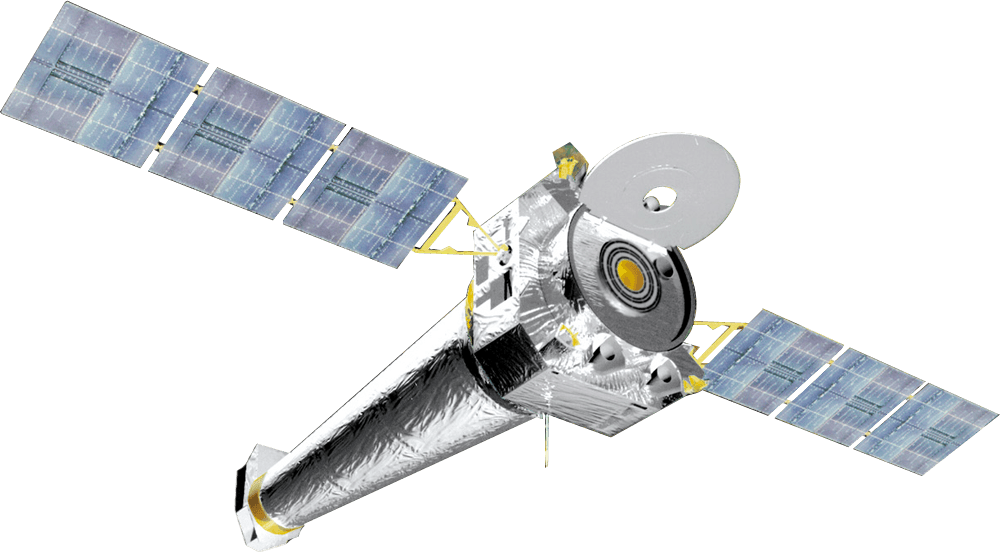
NASA's Chandra X-ray Observatory has put out a new album that renders observations of young and forming stars as sound. Its four tracks pair Chandra data with images from other NASA telescopes. According to NASA, examining regions where stars are still being born helps astronomers understand how all stars, the Sun among them, live out their lives.
Four stellar nurseries
One track features Messier 82 (M82), which NASA describes as a starburst galaxy. The agency says it produces stars at tens or even hundreds of times the Milky Way's rate, a boom it suggests may stem from an earlier collision with another galaxy. In M82, Chandra picks up huge plumes of hot gas left behind by massive young stars that explode quickly, along with other star-forming activity.
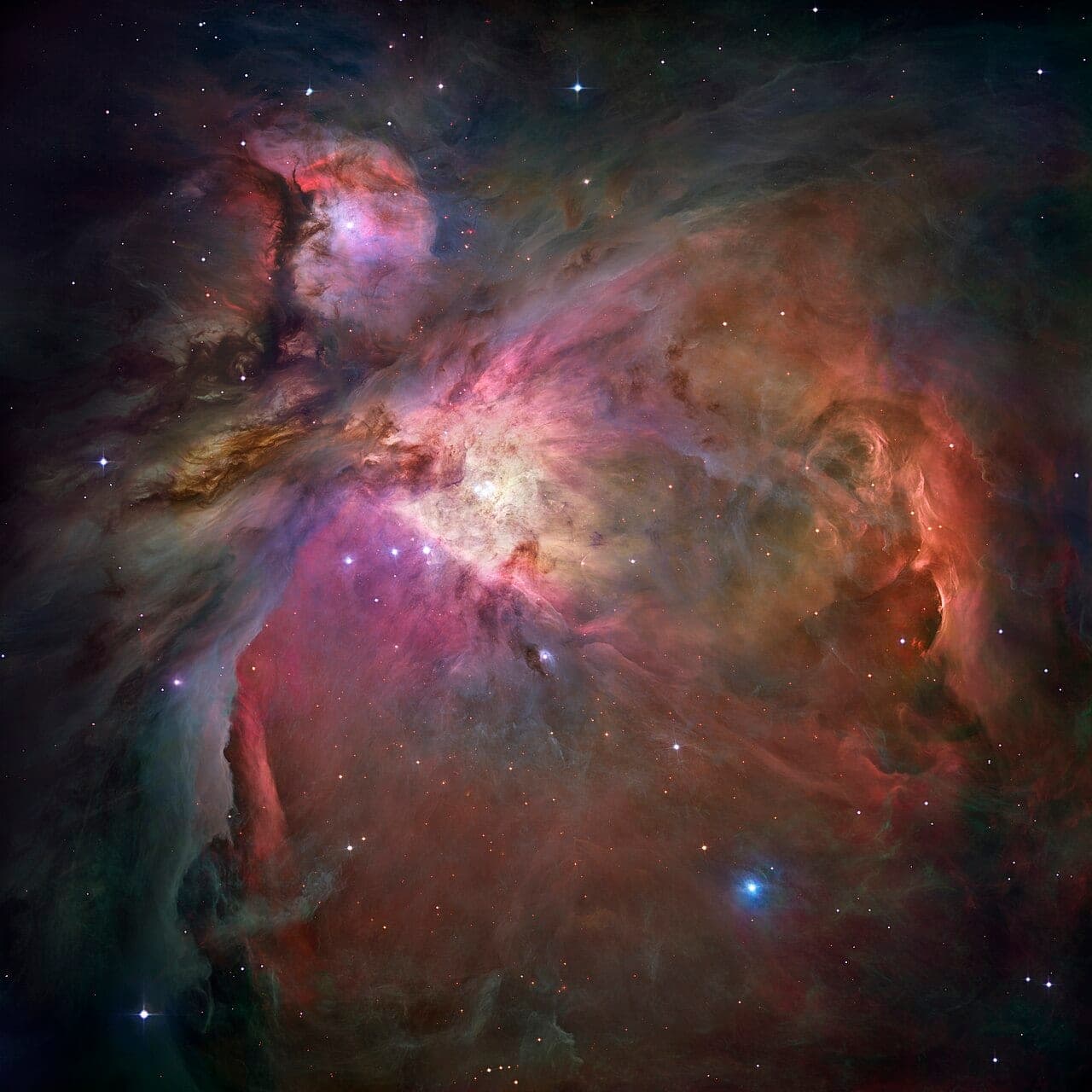
The Orion Nebula ranks among the nearest and busiest star-forming regions to Earth. NASA notes it can be spotted beneath the belt of the Orion constellation with a small telescope under dark skies. Chandra counts more than a thousand stars there that are highly energetic and active while young.
Part of the Carina Nebula earned the nickname “Cosmic Cliffs” from the dramatic structure Webb captured in infrared, and Chandra peers through its dust and gas to pick out individual newborn stars. The fourth subject, Rho Ophiuchi, is a cloud holding gas and stars of varied ages and sizes, where Chandra shows infant stars erupting in violent flares that give off X-rays.
How the light becomes music
Each piece assigns different kinds of light to different sounds. The M82 track, which also draws on Hubble optical data and infrared from Webb and the retired Spitzer telescope, opens with a sweep resembling radar that swells in volume over brighter sources, and its X-rays occupy the top frequencies. In Orion, the young stars seen by Chandra create a glittering, twinkle-like effect, and the diffuse X-ray glow becomes clean high notes. Carina's newborn stars are heard as brief bursts on strings, with drawn-out string notes for the diffuse X-ray glow. For Rho Ophiuchi, X-rays turn into bright, glass-like notes high in pitch, joined by held sounds that flag extended bright sources.
Infrared and optical data fill in the other layers. In M82, infrared becomes a low drone overlaid with plucking, while optical light spreads across assorted pitches and textures. Webb's view of the dust and gas feeding Orion's new stars plays as deeper notes, warped strings and an electronic harp. In Carina, the nebula seen by Webb is one continuous tone, broken up by other instruments marking stars and ridges. Rho Ophiuchi's clouds take on varied pitches and its stars ring out as plucks with a metallic edge. Midway through that track the sound drops away, which NASA attributes to dark dust clouds that give off almost no light.
Who is behind the project
The Chandra X-ray Center (CXC) leads the sonification program. Visualization scientist Kimberly Arcand of the CXC, astrophysicist Matt Russo and musician Andrew Santaguida of SYSTEM Sounds drove the work, with consultant Christine Malec. According to the Chandra project page, the effort began in 2020 as the first ongoing, sustained NASA program to sonify astronomical data.
The project says techniques vary from one sonification to the next depending on the object and available data, and that user testing with groups including blind or low-vision participants drew a highly positive response. Arcand ran a study with blind and sighted users that, according to the project, showed high learning gains, enjoyment and strong emotional responses. More sonifications are listed at chandra.si.edu/sound.
Sources
- NASA Science (Public domain (US government work))
- NASA Science (Public domain (US government work))
- chandra.cfa.harvard.edu
- NASA Science (Public domain (US government work))
- NASA Science (Public domain (US government work))