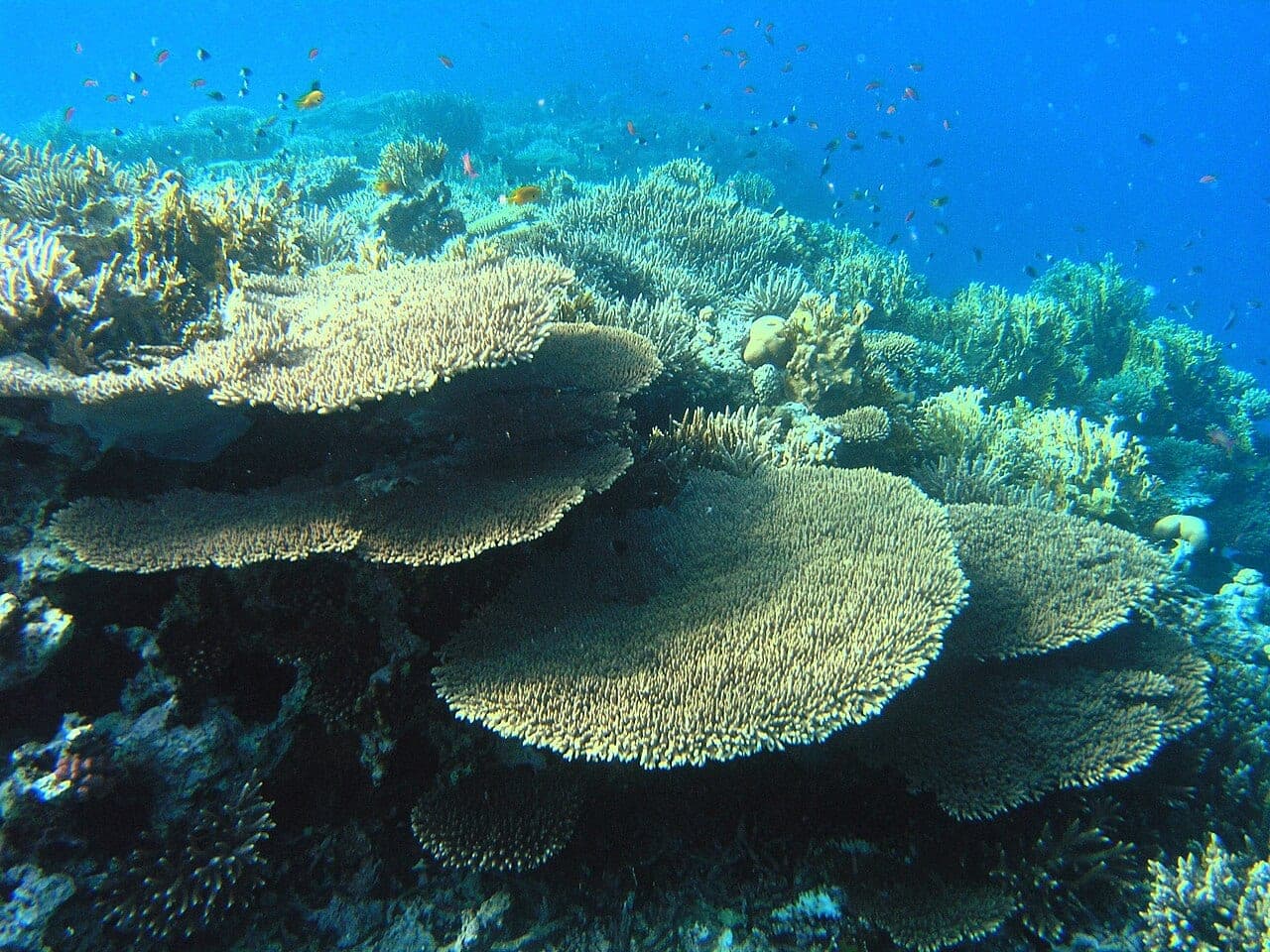
Researchers from the University of Miami's Rosenstiel School have reported finding deep-sea brine pools in the Gulf of Aqaba, a northern arm of the Red Sea. According to the university, the pools lie more than one mile down, at 1,770 meters. The team describes it as the first documented discovery of such pools in the gulf.
How the pools were found
Sam Purkis, professor and chair of the university's Department of Marine Geosciences, led the work with OceanX. The team used a remotely operated vehicle launched from the research vessel OceanXplorer. Purkis said the find came late: "We were very lucky." He said the pools appeared in the last five minutes of a ten-hour dive that the team could devote to the project. NEOM, a company developing the Saudi Arabian coastline, funded the four-week expedition.
Life in an extreme setting
The university says brine pools are among the harshest environments on Earth, with very high salt levels, unusual chemistry and no oxygen. Even so, they host abundant microbial life. Earlier research on microbes from Red Sea brine pools isolated bioactive molecules with potential anticancer properties, according to the university. Purkis said that mapping the limits of life on Earth is needed before scientists can judge whether other planets could host living beings, and that the microbial community could help in that search.
A record of past disasters
The pools sit fairly close to the coast. According to the researchers, their salty, oxygen-free waters preserve evidence of tsunamis, flash floods and earthquakes that struck the gulf thousands of years ago. The seabed there is crossed by many faults and fractures linked to regional tectonics. Earlier in 2022, Purkis and colleagues reported evidence of a 500-year-old underwater landslide that probably generated a sizable tsunami. The university says such findings could matter for coastal development in Egypt and Saudi Arabia.
The publication
The study, "Discovery of the deep-sea NEOM Brine Pools in the Gulf of Aqaba, Red Sea," was published on June 27, 2022, in Communications Earth & Environment, according to ScienceDaily. Co-authors came from the University of Miami, King Abdullah University of Science and Technology, the University of Bari Aldo Moro, OceanX, MARUM in Germany and NEOM.