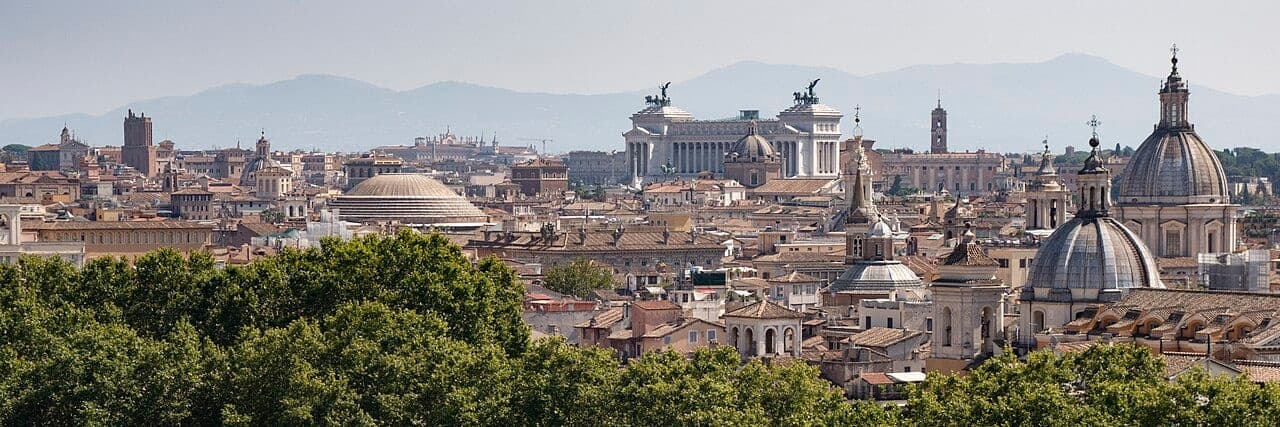
Scottish Secretary Douglas Alexander told the Pontignano Conference in Rome on 27 November 2026 that Britain should respond to a more dangerous world by working with its European neighbours and keeping the United Kingdom together. According to the text of the speech published by GOV.UK, he set out three linked arguments.
Divergence and great power rivalry
Alexander called the past ten years a period of divergence, in domestic politics and in the international order. His second argument was that rivalry between great powers will largely shape world affairs over the coming decade. His third was that the answer for Britain and for Scotland lies in interdependence rather than independence.
He pointed to Russia's invasion of Ukraine, which he called the deadliest war in Europe since 1945. He said Russian sabotage, cyber-attacks and disinformation put undersea cables, power grids and elections at risk. He contrasted two meetings held last week: leaders of America, China and Russia gathering at one table in Shenzhen, and Britain and the European Union meeting a day later in Brussels as partners. In his view, the two images showed a world where scale determines who gets heard.
The Brussels agreements
Alexander said the agreements reached in Brussels the previous Friday end checks on food and farm trade and connect the carbon markets of the UK and the EU. He said the two sides will also cooperate more closely against sabotage, cyber-attacks and illegal migration, and that young Britons will regain access to Europe.
According to Alexander, the government introduced the Cutting Costs Bill the day before his speech to turn the agreements into law. He called the deal a starting point and a proof of concept, not a limit on ambition. Quoting the Prime Minister, he said there would be no "banging on about Europe".
Young people and Erasmus
Alexander said the youth experience scheme agreed in Brussels will allow as many as a hundred thousand young people from Britain, and an equal number of young people from the EU, to spend up to three years on the other side for work, study, volunteering or travel. He said Britain will rejoin Erasmus Plus from 2027, and that next week he will meet the principals of Scotland's universities during roundtables he is hosting in Scotland.
Assessment of Brexit
Alexander said he respects Brexit as a democratic decision but argued that it has failed by its own standards. He cited credible independent estimates that the British economy will end up 4 to 8 per cent smaller than it would have been without it, and said food and drink exports to the EU have fallen by almost a quarter in real terms.
He described the EU as Britain's largest and most important trading market, accounting for almost half of all UK trade, with more than 91,000 British businesses selling goods there. He said three quarters of the public favour closer ties with Europe.
Independence and devolution
Alexander noted that 62 per cent of Scots voted to remain in the EU in 2016. He argued that mending relations with neighbours is fundamentally different from dividing one's own country, and said the Scottish nationalists' independence plan carries the same false promise of control as Brexit. He warned that it could mean a new border at Gretna Green, creating barriers to "the market that buys more than three times as much from Scotland as from the whole European Union".
He said Whitehall had too often handed powers to the devolved governments and then forgotten about them, whereas the current government aims to pair devolution with cooperation. Prime Minister Andy Burnham, he said, accepts that the UK and Scottish governments will have to agree to disagree on independence. According to Alexander, Burnham will publish a 10-year plan for Britain in a few weeks.