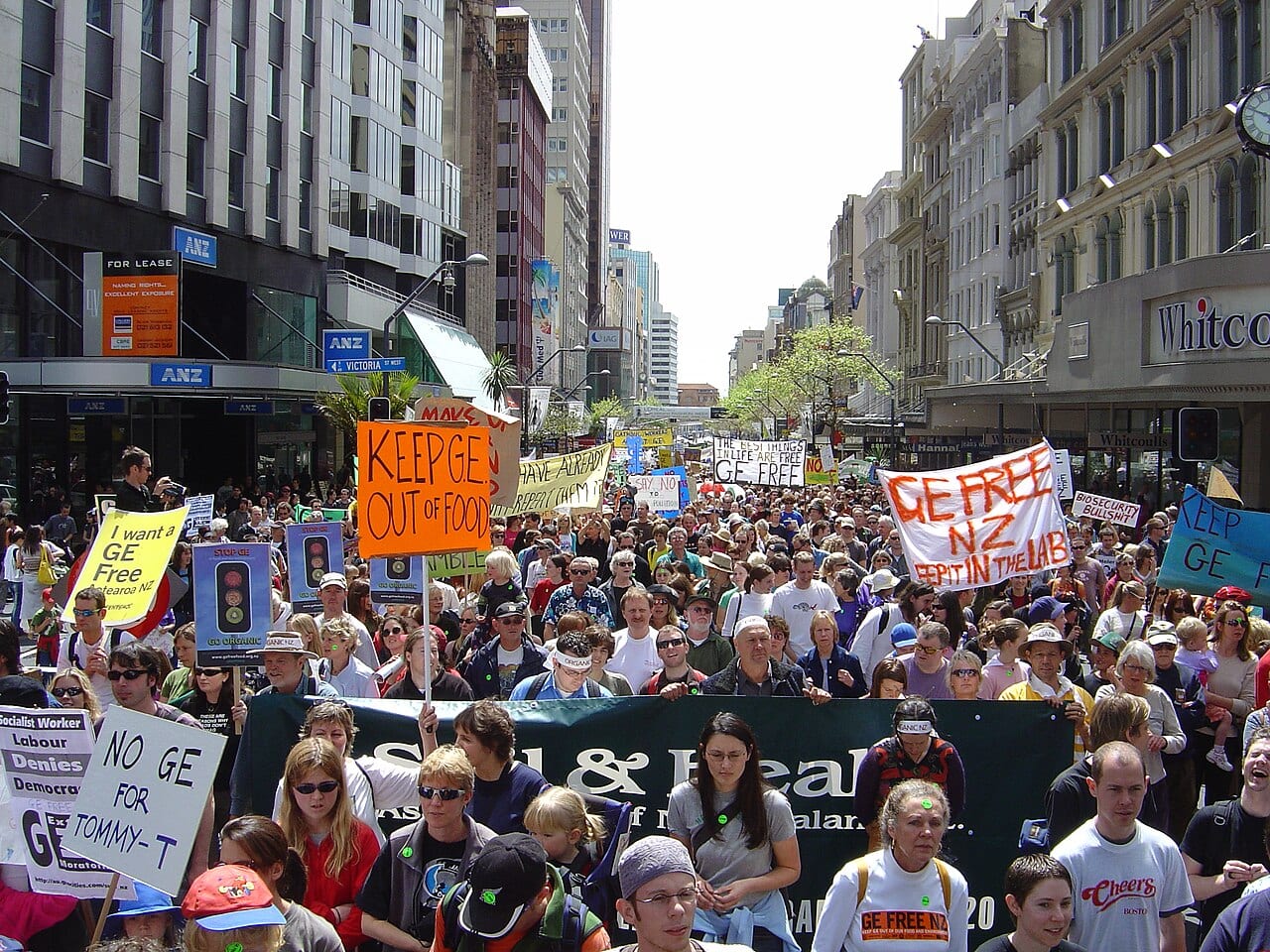
The military regimes of Mali, Burkina Faso and Niger describe themselves as spokesmen for a recovered sovereignty, but they have dissolved political parties in all three countries, according to an analysis by Global Voices. The text asks what happens to the right to demonstrate when those in power claim to embody the people.
Burkina Faso: civil society under pressure
According to the analysis, Burkinabe parties were formally dissolved on 29 January 2026. On 15 April, another 118 human rights, health or education organisations were dissolved under an association law of July 2025. On 29 July, CIVICUS added the country to its watchlist and documented at least 1174 organisations suspended or dissolved since the beginning of 2026.
The UN human rights office announced on 30 June that it would permanently close its office in the country, after the authorities halted its activities in February. Amnesty International documented that the army and its volunteers killed at least 58 unarmed civilians in and around Solenzo between 10 and 11 March.
Mali and Niger: decrees, arrests and unions
In Mali, the decree dissolving the parties was signed on 13 May 2025, although at the beginning of that month there were two protests in Bamako against the measure. Independent UN experts warned that it opened the way to criminalising all political activity. According to France 24, on 3 July 2025 a renewable five-year term was set for Assimi Goïta. Since the beginning of May 2026, the authorities have stepped up arbitrary arrests of opponents, which the analysis links to the National Agency for State Security.
In Niger, President Abdourahamane Tiani signed a decree on 26 March 2025 abolishing the parties, which had already been paralysed since the July 2023 coup. Human Rights Watch reports that in August 2025, the dissolution of several legal professionals' unions prompted condemnation from the bar association and a two-day strike. In addition, in Niamey, during the night of 28 to 29 August 2026, the regime, with the help of Russian forces, put down an attempted military uprising that targeted the presidency, the airport and state television.
How protest is changing
HRW's July 2026 report also mentions detentions of journalists under a cybercrime law, the stripping of nationality from opponents and the withdrawal from the International Criminal Court. Amnesty International argues before the UN Human Rights Council that freedoms are being curtailed in the name of the fight against imperialism, through decrees without parliamentary oversight.
Even so, dissent persists. On 26 May 2026, after the arrest of imam Mohamed Ishaq Kindo, a critic of a law on religious practices, his followers marched in Ouagadougou until the authorities dispersed them. The analysis adds that dissent has taken refuge in social media, satire, private messaging groups and campaigns by communities abroad.
The text recalls that armed groups linked to Al-Qaeda and the Islamic State operate in the three countries and that this security situation is used as a recurring justification for limiting civic space. It also stresses that the three cases are not identical.
Sources
- Global Voices en Español (CC BY 3.0)