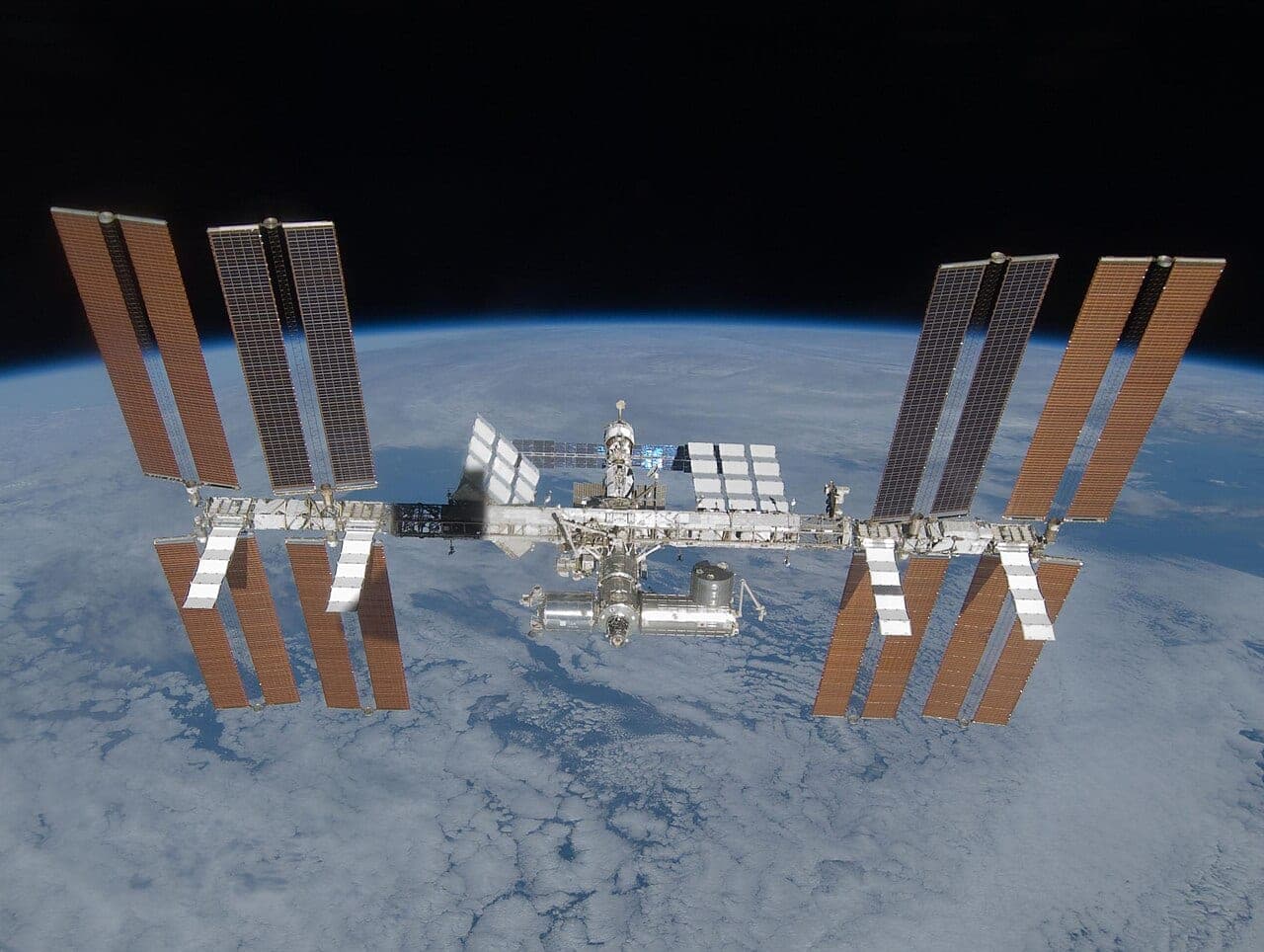
NASA's overview of its next Northrop Grumman cargo mission shows two kinds of science on board. Some experiments are meant to help patients on Earth. Others are meant to prepare crews for the Moon and Mars. The flight, Northrop Grumman Commercial Resupply Services 25 (CRS-25), is scheduled to bring around 11,000 pounds of research and supplies to the International Space Station, according to the agency.
Medicine aimed at patients on the ground
Two of the investigations deal with cancer. Encapsulate-1 uses small copies of individual patients' tumours to observe how malignant cells migrate, push into nearby tissue and possibly spread. NASA says the team wants to build an orbit-based diagnostic tool that could forecast a cancer's course months or even years ahead. The agency says this would support earlier detection and better treatment choices for patients on Earth.
DNA Nano B takes a manufacturing approach. It will make tiny particles inspired by DNA that are designed to carry drugs into tissue that is hard to penetrate, such as cartilage and solid tumours. NASA says weightlessness may let the particles form more uniformly, and that the results could lead to more targeted therapies on Earth for cancer and osteoarthritis.
A third study, Cardinal Muscle 2.0, looks at muscle wasting. According to NASA, astronauts lose strength and mass in ways that resemble the decline seen with ageing, and this loss happens faster in orbit when they do not exercise. Researchers will use a tissue model to check whether medicines the Food and Drug Administration has already cleared for other conditions could be repurposed to prevent or lessen it.
Groundwork for exploration beyond orbit
Other payloads are aimed at future exploration. The Active Radiation Environment Sensor (ARES) is a compact device designed to connect to spacecraft systems and track radiation in real time where crews live. NASA ties it to future Artemis and lunar missions and says the findings could shape crew-safety measures. Ohalo III is a new, largely automated plant-growth unit. It will try innovative water-recovery and air-exchange methods to raise several crops, work that NASA says could help feed crews on missions that include Mars.
A technology demonstration called JOining demonstrations IN-Space (JOINS) will test robotic systems that join materials in orbit. NASA says that if structures can be assembled after launch, a rocket's size would no longer limit how large they can be. The agency adds that such methods may be needed to build and repair large infrastructure for exploration under Moon Base, and that in-space trials reduce technical risk before the hardware is used operationally.
The vehicle and station upkeep
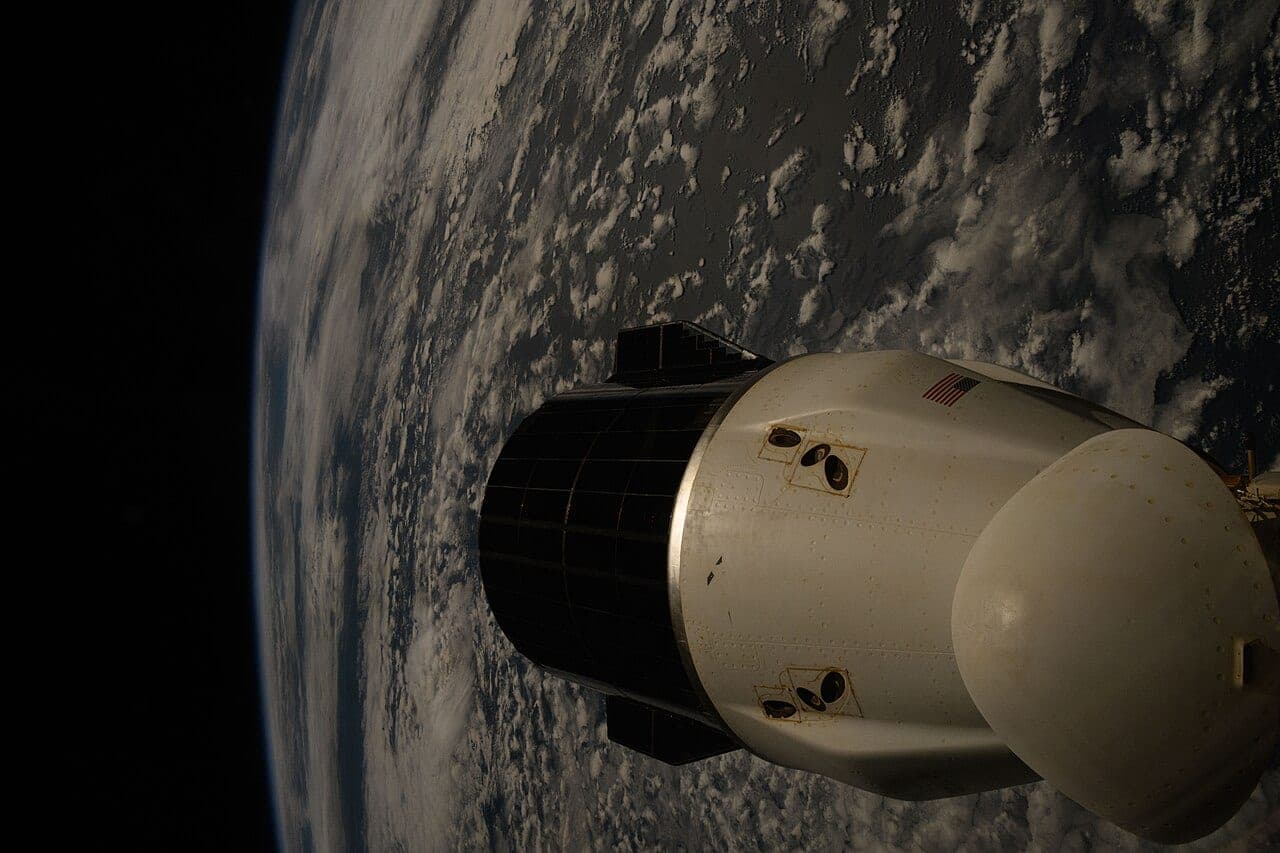
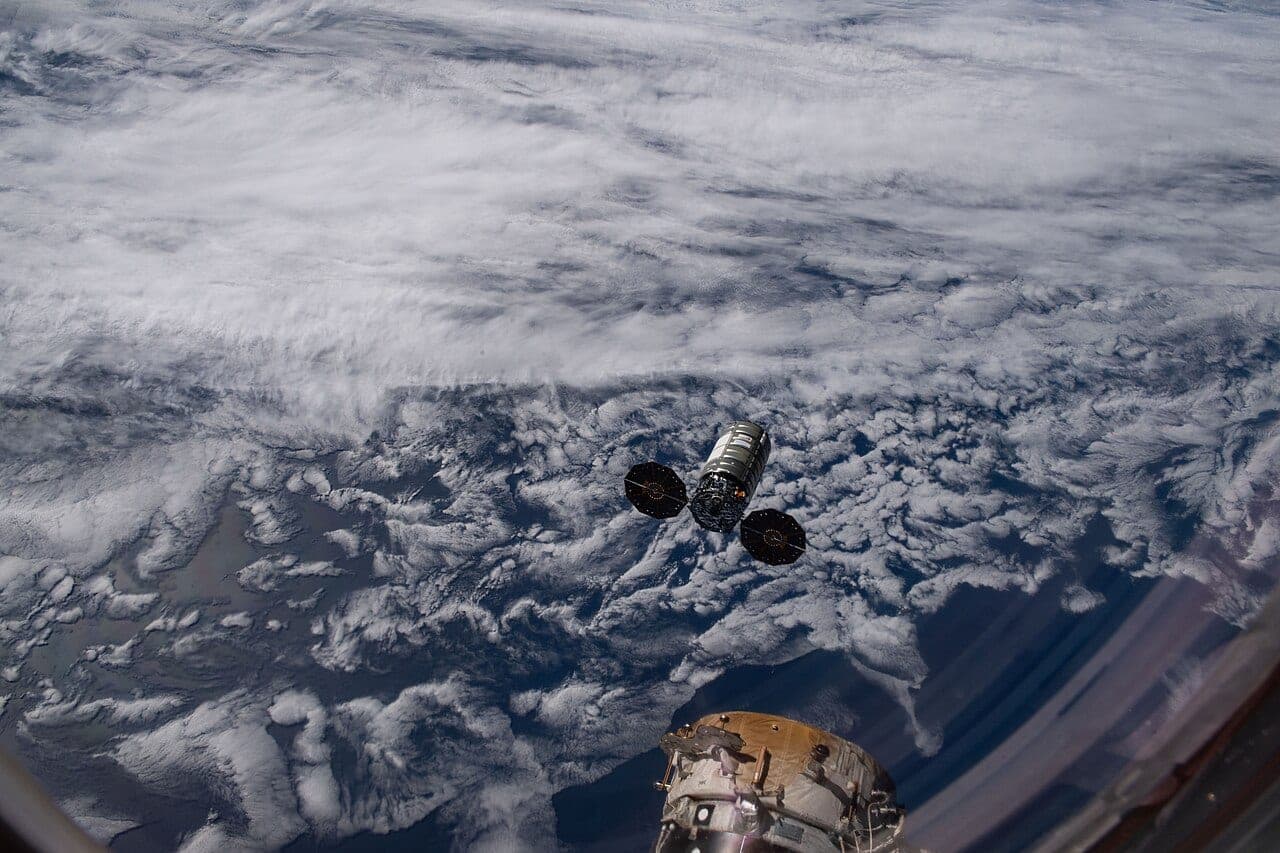
The cargo will fly on Cygnus XL, a bigger, higher-capacity variant of Northrop Grumman's solar-powered spacecraft. This will be its third flight. It will launch on a SpaceX Falcon 9 from Cape Canaveral Space Force Station in Florida. When it arrives, the crew will capture it with Canadarm2, and ground controllers will robotically attach it to the Unity module's Earth-facing port for unloading.
Besides food and crew equipment, the freighter carries routine maintenance items, NASA says. These include:
- new blankets and covers for crew quarters, replacing older units
- covers for hatch seals in the U.S. segment
- a modified pretreat hose for the Universal Waste Management System toilet
- Alpha Magnetic Spectrometer tools for upcoming spacewalks
- Anomaly Gas Analyzer batteries that power station sensors
Sources
- NASA (Public domain (US government work))