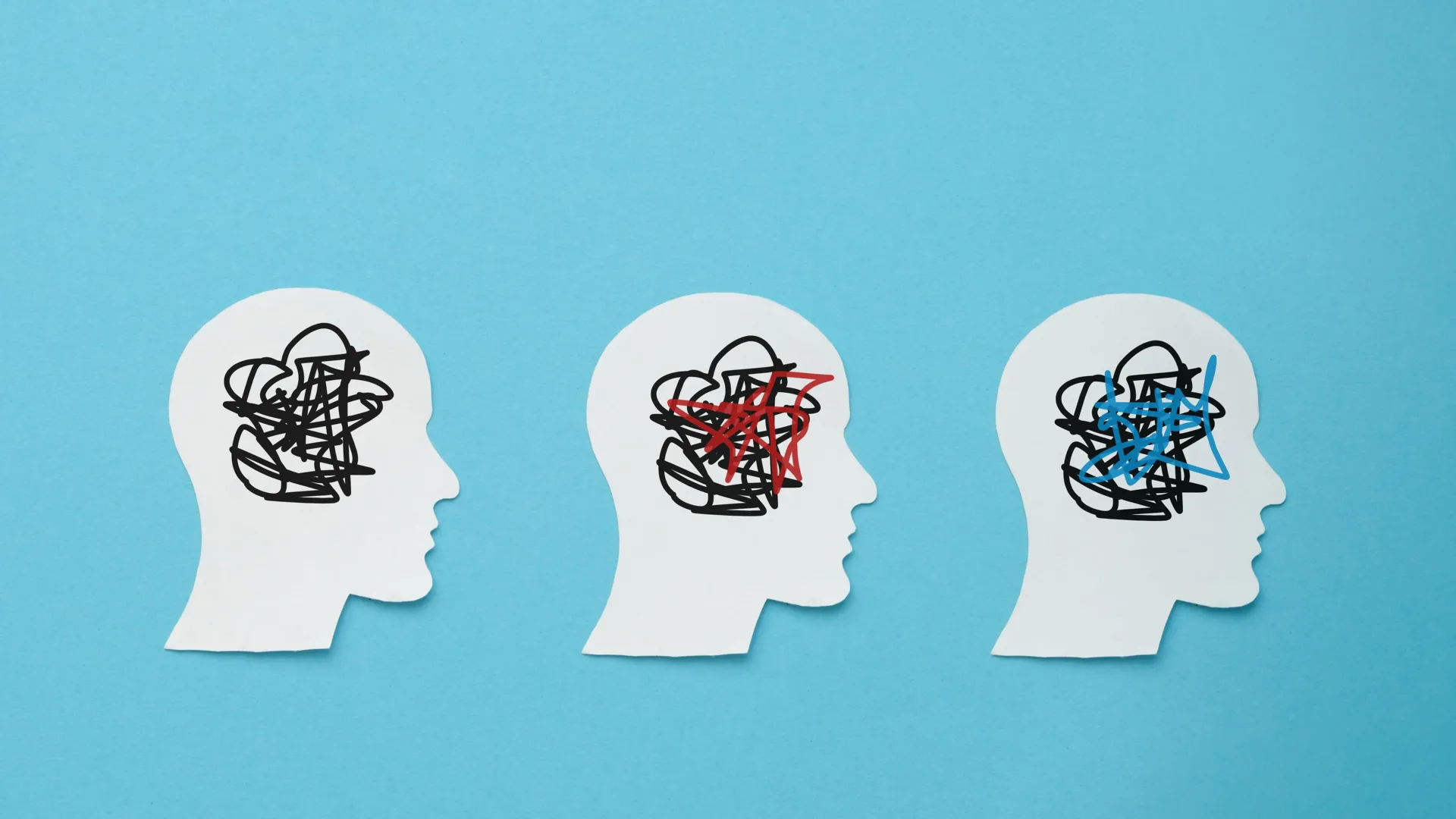
Researchers led by Stanford Medicine have found three separate biological brain types, called biotypes, among children with attention-deficit/hyperactivity disorder (ADHD), anxiety disorder or both. According to Stanford Medicine, the study appeared in Nature Mental Health, and its authors say the biotypes could help explain why the two common childhood conditions so often overlap.
How the biotypes were found
The team drew on the Adolescent Brain Cognitive Development study, which follows more than 11,000 children across the United States who were 9 or 10 years old at enrolment. From that pool, the researchers looked at 3,508 children whose records already showed ADHD, anxiety or both when they joined, and 693 who had no diagnosis at first but later developed one or both. A control group numbered 1,947 children who never received either diagnosis. All had fMRI scans and completed cognitive and behavioural tests.
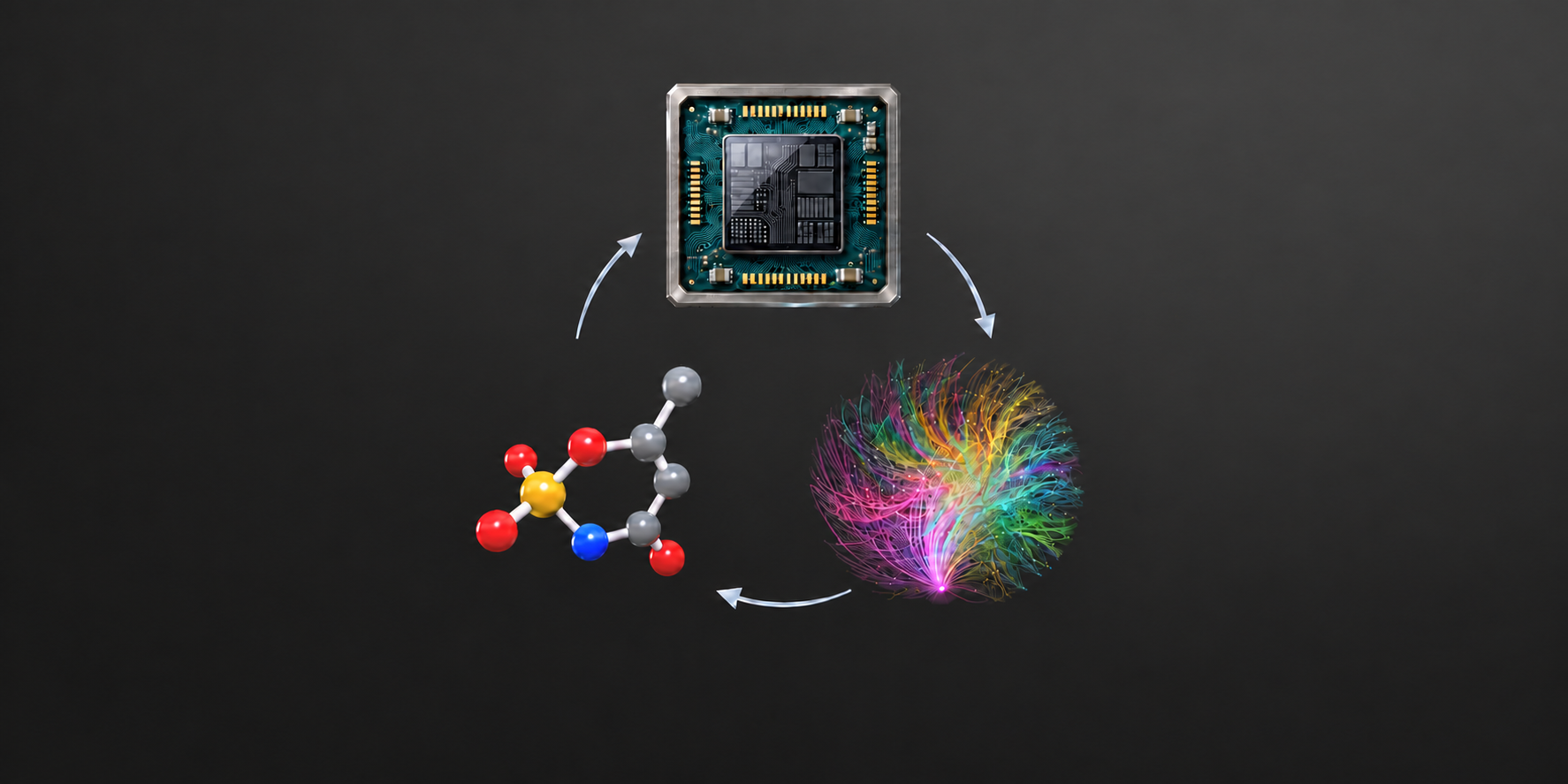
The researchers built an artificial intelligence model to study functional connectivity, meaning how different brain regions work together. Using diagnostic and behavioural data, it identified two dimensions of dysfunction: cognitive-behavioural dysfunction and emotion-attention dysfunction. Each is driven by different brain networks, and their combinations produce three biotypes. To check the results, the team examined scans from another 224 children in a separate project, the Healthy Brain Network, all of whom had an ADHD or anxiety diagnosis.
The three types
Each child fell into only one biotype, but every biotype appeared across all the traditional diagnoses. According to the researchers:
- The externalizing-disinhibited biotype was linked to more impulsivity, hostility, defiance, aggression and rule-breaking, and to ADHD diagnoses more often.
- The internalizing-distressed biotype was linked to more guilt, tension, perfectionism and anxious-depressed symptoms, and more often to anxiety diagnoses.
- The mixed biotype was linked to more attention problems, irritability and self-injury, and, like the first group, to ADHD diagnoses.
Co-senior author Yu Zhang, assistant professor of psychiatry and behavioral sciences, said the aim was to learn whether biological differences follow clinical labels. The answer, the release said, was not exactly.
Early indicator and treatment hopes
The biotypes were detectable in the first scans of children who had no diagnosis at enrolment but were diagnosed later. Zhang said this suggests they may serve as an early indicator, and that it was the finding that surprised him most.
Zhang does not expect biotypes to replace symptom-based diagnosis, but thinks the two approaches could complement each other. He noted that finding a working medication can take weeks or months of trial and error. He hopes future clinical trials will test which treatments suit each biotype.
Yong Jiao of the University of Iowa is lead author, and Zhang shares senior authorship with Jing Jiang of the University of Iowa. Funding came from the National Institutes of Health and several foundations.