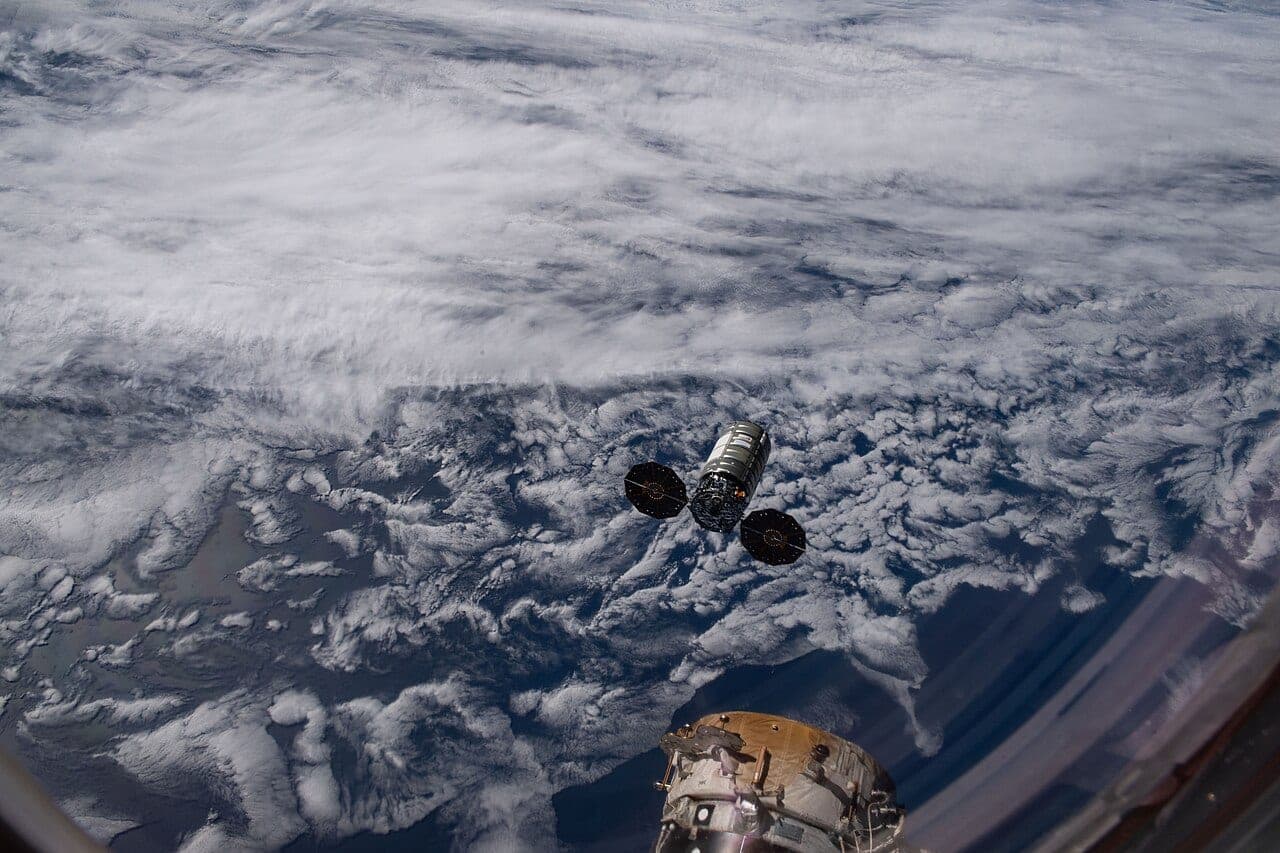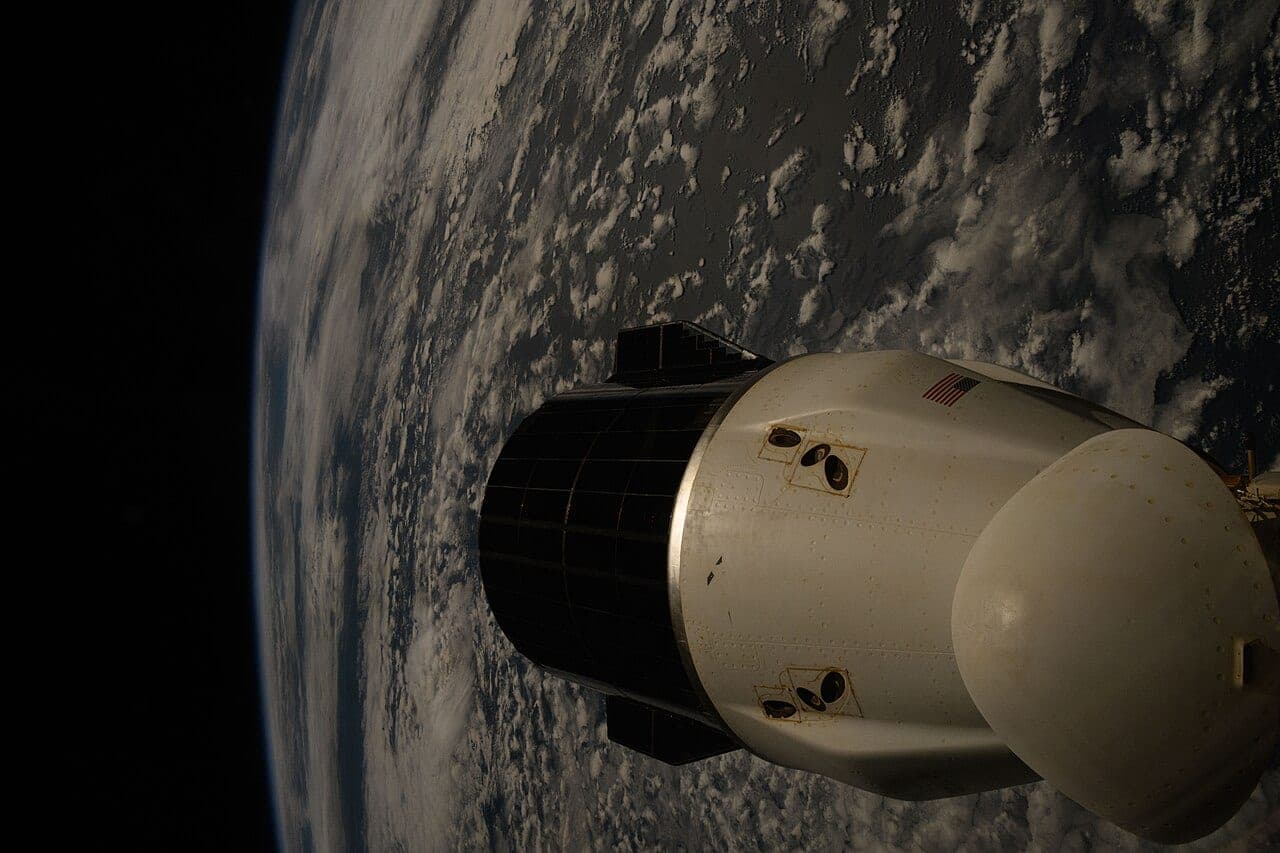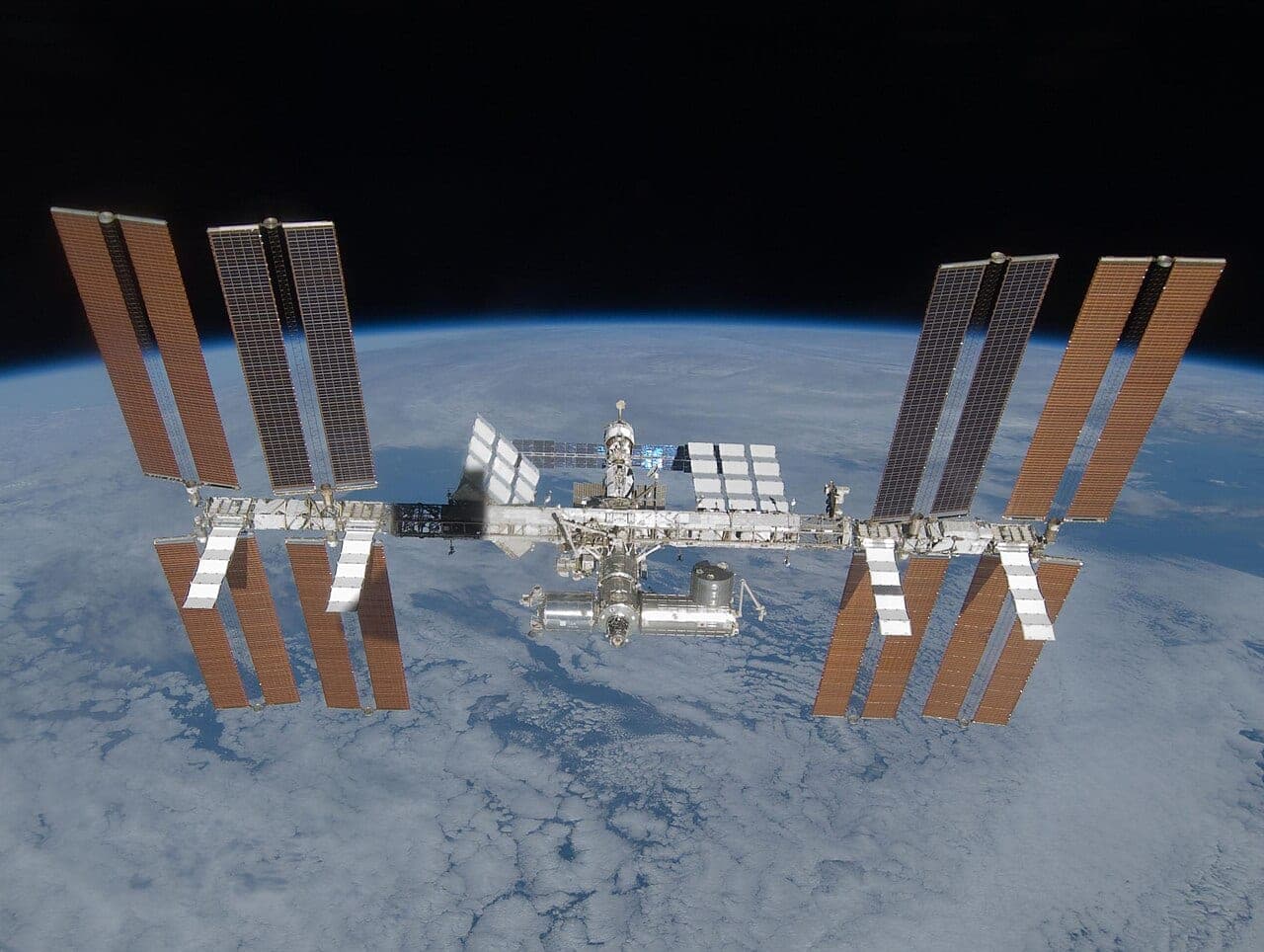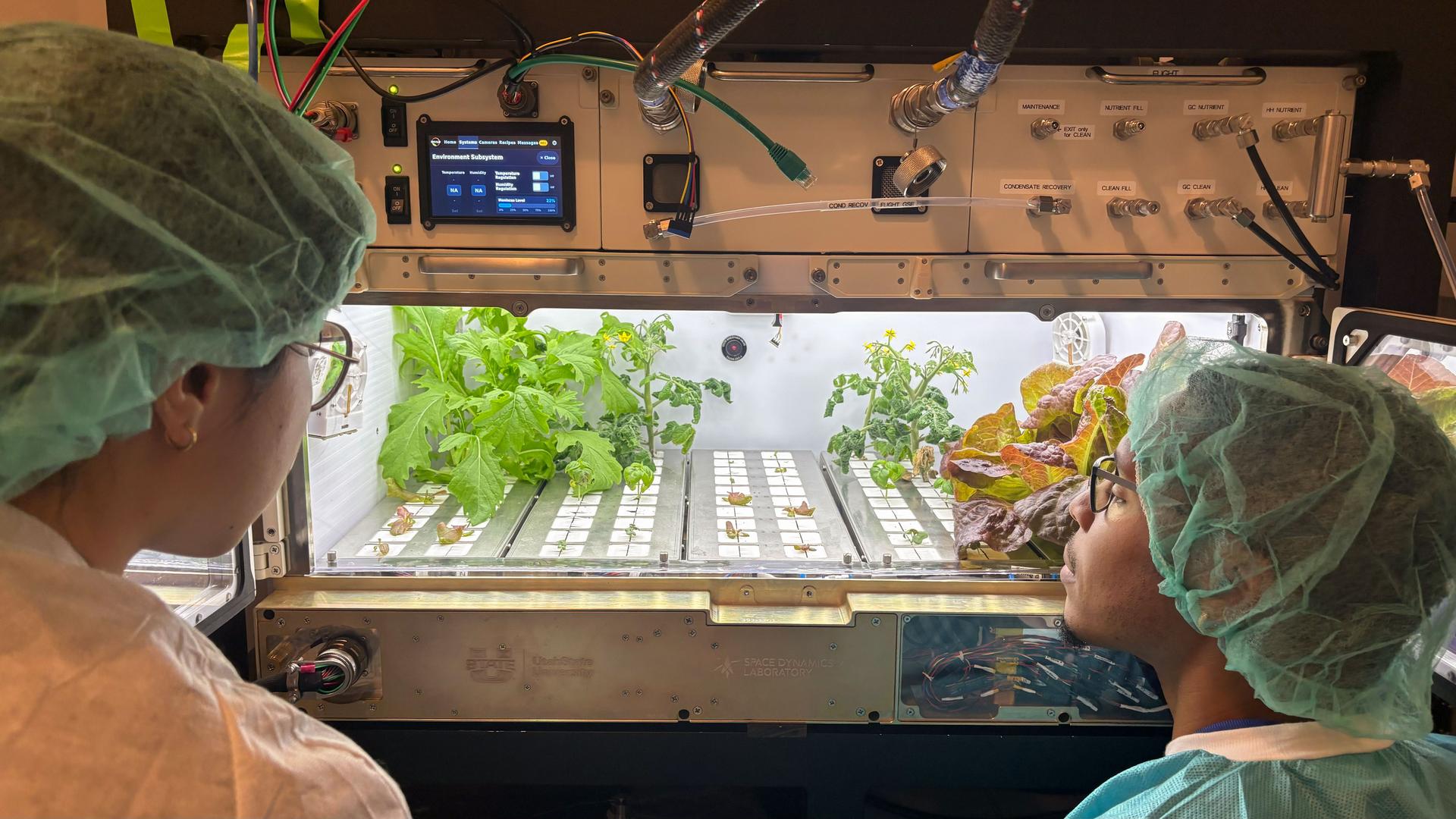
A prototype chamber for growing food in orbit is headed for the International Space Station, NASA Science reported. The agency describes it as the first system of its kind. The chamber is one of several NASA experiments booked aboard Northrop Grumman's 25th Commercial Resupply Services mission. A second payload will test hardware meant to keep lab-grown human brain tissue alive in space.
Why food and brain tissue matter for exploration
Both projects are tied to longer journeys. NASA says crews will need sustainable food supplies if they are to venture farther from Earth and remain in space for extended periods. The agency expects the growth chamber to offer key lessons on raising crops in ways that are safe, nutritious and dependable. Those lessons are aimed at future habitats at a Moon Base and at missions to Mars. NASA presents the experiment as a way to improve understanding of crop production in microgravity.
NASA calls the brain work a precision health investigation. The agency says it is the next step toward studying human brain tissue over long periods in space. According to NASA, the findings could help researchers pinpoint neurological risks that spaceflight may pose and devise ways to protect astronauts.
What will be tested on board
On the station, researchers want to confirm that the crop chamber's technology for water delivery and volume optimization works as designed. The brain-tissue payload centers on a miniature fluid-handling unit. That unit has to mix, supply and sustain the nutrient-rich liquid the tissues depend on. The test follows an earlier flight that carried miBrains, tiny brain models grown in a laboratory from human cells, to the station.
Possible uses on Earth
NASA says lessons from the crop system could shape vertical farming and indoor growing systems on the ground. It adds that the brain-tissue work may push forward human tissue research and the modeling of neurological disease. Both investigations come from NASA's Biological and Physical Sciences Division, which the agency says conducts research in space that cannot be done on Earth.
Sources
- NASA Science (Public domain (US government work))